Wales Faces Record-Breaking Drought Amidst Driest July in Nearly Two Centuries
Widespread dry conditions stress ecosystems and agriculture as authorities warn of prolonged impact.

Callum Smith
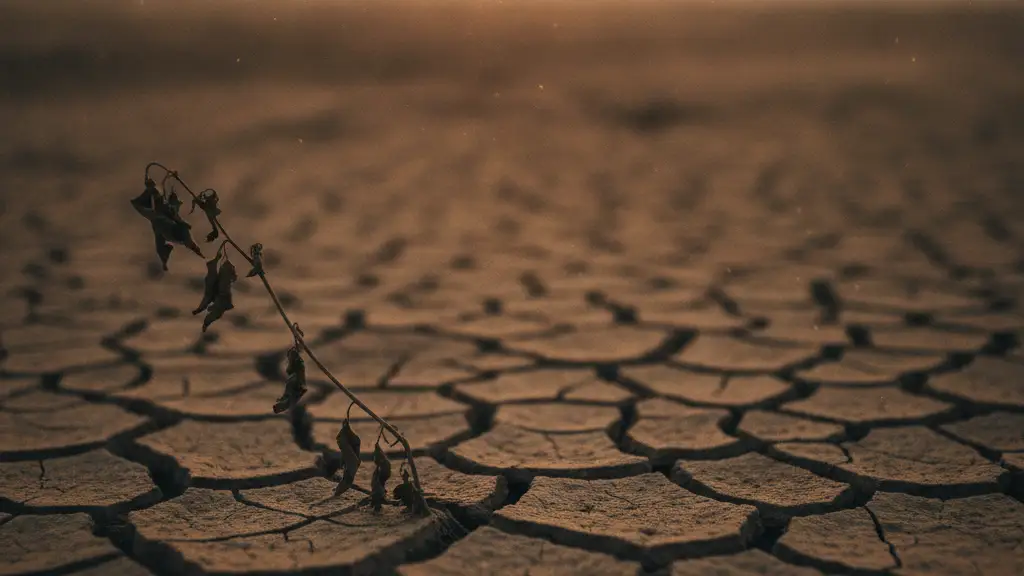
A severe drought has been extended across the entirety of Wales, marking what is projected to be the driest July on record in almost 190 years.
Riverbeds are drying out at an alarming rate, stressing fish populations and promoting dangerous algal blooms that threaten aquatic ecosystems. Farmers voice heightened concerns over crop growth; the harvest arrives early, and some critical crops, such as cereals, experience significantly poorer yields.
Rhian Thomas, a leading voice from Natural Resources Wales, stated the toll on the environment, land, and agriculture is clear. Many of Natural Resources Wales' teams still grapple with the aftermath of extensive wildfires which have devastated forestry, grassland, and special habitats across the region.
Groundwater supplies continue their precipitous fall, exacerbating the region's already critical water resource challenges. In a desperate measure, Natural Resources Wales releases extra water from reservoirs to help sustain rivers and wildlife, a direct response to plummeting water levels.
The agency actively monitors forecasts and river flows, responding to increasing environmental concerns and incidents across Wales with urgent precision. People are being asked to take extra care outdoors due to the heightened and pervasive risk of wildfires, a direct consequence of the arid conditions.
The continued hot and dry weather creates ideal conditions for blazes, turning landscapes into tinderboxes. Firefighters responded to 393 wildfires across England and Wales in July, marking the busiest month on record for such incidents.
Emergency services across the country tackle raging fires, including a large heathland blaze on the Suffolk coast at Dunwich Heath which led to evacuations and road closures. Another significant incident involves a wildfire at Dovestone Reservoir, Saddleworth, which has now burned for over two weeks.
The UK Health Security Agency (UKHSA) stated that 2026 could see the highest number of heat-associated deaths on record, a grim projection. Some 23 million customers are under hosepipe bans across affected regions, directly impacting daily life.
The drought in Wales, home to just over 3 million people, brings the total affected population to 31 million across Britain. Affected areas in England include East Anglia, Hertfordshire, London, Thames Valley, Hampshire, Isle of Wight, Devon, Cornwall, West Midlands, and Wessex.
Almost a third of England remains in 'prolonged dry status,' a critical hydrological designation. May and June recorded record-breaking heatwaves, with the Met Office confirming a new June temperature record of 38C.
Natural Resources Wales claims the country is on course for its driest July since records began nearly 190 years ago. The region is due to experience its driest July in almost two centuries.
Authorities warn the extreme conditions could stick around until mid-autumn, extending the period of severe stress. Experts also suggest they may linger until the autumn, offering little immediate relief.
Will Lang stated that while there is always the potential for periods of rain during the remainder of the summer, current forecasts do not favor the widespread, sustained rainfall needed to make a significant difference to rainfall deficits. These deficits have built up over recent months.
Rhian Thomas indicated that With no strong indications for notable rainfall in the forecasts, and risks of further heatwaves over the summer, it’s more important than ever that everyone uses water wisely. Every drop wasted is less water for rivers and wildlife when they need it most.
Rhian Thomas urged that with no strong indications for notable rainfall in the forecasts, and risks of further heatwaves over the summer, it’s more important than ever that everyone uses water wisely. Every drop wasted is less water for rivers and wildlife when they need it most.