England Faces Longest July Dry Spell in Three Decades, Drought Declared Across Eight Regions
Water companies impose hosepipe bans as critical river levels threaten food production and ecosystems.
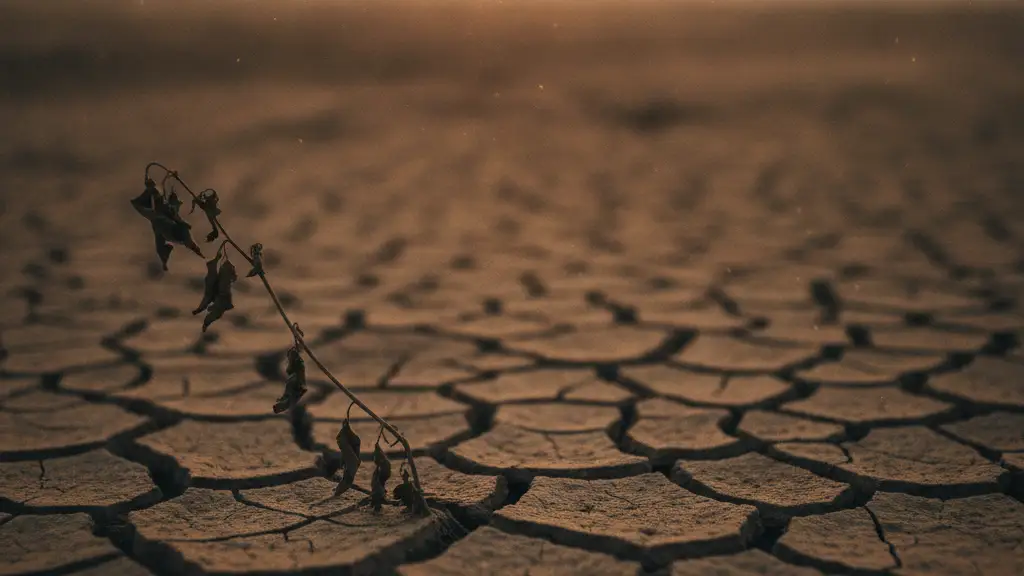
Image: Eddie Pollard / AI

Callum Smith
Southern and eastern England are experiencing their longest July dry spell in three decades, prompting a drought declaration across eight regions and immediate concerns for water supplies and agriculture.
Thames Water, alongside other major utility providers, has already imposed immediate hosepipe bans. This decisive action directly confronts escalating water scarcity, serving as a critical measure for conservation.
Companies like Affinity Water and Southern Water are urgently imploring customers to drastically reduce water usage. Consumption typically surges by 30% on scorching days, intensifying the strain on public supplies.
The National Drought Group issues a stark warning: significant consequences loom for the environment, public water supplies, and the nation's food production capabilities. The relentless lack of rainfall creates a cascading impact across vital sectors.
Rivers currently flow at a mere 13% of their expected levels. This drastic reduction has already compelled some farmers to cease abstracting water for irrigation.
Growers in parts of East Anglia confirm they have stopped drawing water from rivers due to critically low levels. This directly compromises their ability to sustain essential crops.
The next 10 days are absolutely crucial. Failure to act risks widespread food shortages on supermarket shelves later in the year.
Farmers across England deliver an unequivocal warning: the next 10 days are absolutely crucial. Failure to act risks widespread food shortages on supermarket shelves later in the year.
Crops already exhibit severe signs of stress, with cereals drying out prematurely in the fields. Spring barley yields anticipate a significant fall following insufficient rainfall earlier in the growing season.
Agricultural experts confirm extreme hot weather has baked Britain dry this summer, severely affecting a wide array of crops and threatening harvest yields. Potato growers, for instance, are experiencing substantial losses due to persistent heatwaves and prolonged warm weather.
The perilous combination of parched crops and soaring temperatures dramatically increases the likelihood of fires erupting in combine harvesters. This raises grave concerns about further losses during one of the busiest periods of the farming calendar.
Fifty-three wildfires have been recorded this year at Sites of Special Scientific Interest, underscoring the heightened fire risk and ecological damage across protected areas. Low river levels also disrupt vital breeding habitats for amphibians and severely restrict the migration of Atlantic salmon, impacting critical biodiversity.
Temperatures are projected to rise again next week, with highs reaching up to 37C. This will inevitably exacerbate the already dire conditions across the affected regions.
The specter of flash drought, which caused significant crop failures and price rises in 2022, grows as a national concern. It threatens to spread across the entire country, intensifying the national crisis.
While rainfall is predicted for this weekend, it primarily expects to benefit the north-west of England and Scotland. This offers little to no relief to the parched southern and eastern regions.
The Met Office cautions that although conditions may become more changeable in early August, widespread, meaningful rainfall across southern England remains unlikely. Many areas face continued dry conditions in the weeks ahead, prolonging the struggle.