Seven English Regions Declared Drought Zones Amidst Record Low Rainfall
Water resources face critical strain as usage outpaces natural replenishment across vast swathes of the country.

Carla Rooney
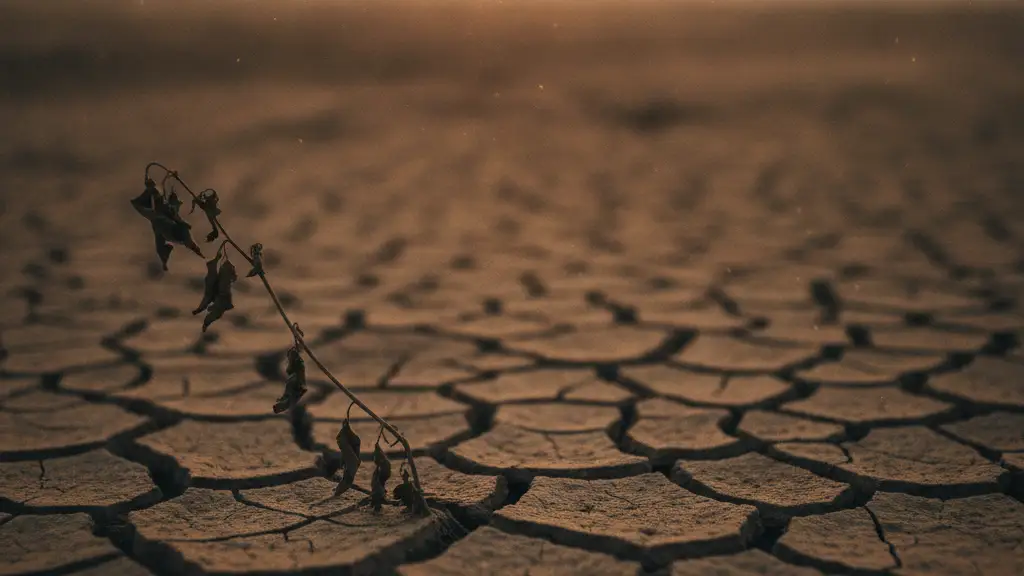
Seven areas of England are officially in drought, a declaration underscoring severe water scarcity across the nation.
East Anglia, Hertfordshire, London, Thames Valley, Hampshire, the Isle of Wight, Devon, Cornwall, the West Midlands, and Wessex now endure the severe impact of widespread drought conditions.
Wessex alone encompasses Dorset, Somerset, Wiltshire, and south Gloucestershire.
July 2022 recorded only 7% of expected rainfall levels.
Record low rainfall and scorching temperatures, expected to reach 34C, exacerbate the crisis, forcing farmers into premature crop harvests.
Wildfire risks escalate across the parched landscape, threatening communities and natural habitats; conditions are expected to remain elevated.
Millions of people currently endure water use restrictions; hosepipe bans are now in effect across England.
Amber and yellow heat alerts remain active across England, as parts of the UK experience their fourth heatwave of the summer.
Temperatures consistently climb into the 30s, intensifying evaporation and water demand across the country.
Helen Wakeham, Director of Water Resources at the Environment Agency, confirmed the severity of the situation, stating, "The hot and dry weather means we are currently using water faster than nature can replenish it."
A second consecutive summer drought is an exceptionally serious situation and one that will have long-lasting impacts on our environment, wildlife, and the economy.
Wakeham further declared, "A second consecutive summer drought is an an exceptionally serious situation and one that will have long-lasting impacts on our environment, wildlife, and the economy."
The Environment Agency has implemented stringent measures to control water usage from rivers and groundwaters.
Fish rescue operations commenced on the River Teme and River Onny in Shropshire due to unsuitable conditions for fish survival.
Other areas of England experience "prolonged dry weather," the stage immediately preceding a formal drought declaration.
Emma Hardy, Shadow Minister for Water and the Environment, addressed the long-term implications, stating, "Our climate is changing, droughts are becoming increasingly common, and we need to be prepared for this new normal."
Hardy also stated, "We’re delivering long-term change in the water industry and driving record investments in infrastructure, including nine new reservoirs."
She added, "We expect water companies to follow their drought plans, to go further and faster to reduce leaks, and to ensure supplies are not disrupted even in the driest of weather."
Will Lang, Head of National Climate Information Centre at the Met Office, detailed the meteorological conditions, stating, "The warm and exceptionally dry conditions experienced across much of England over recent months are continuing to have a significant impact."
Lang also noted, "Many areas have received very little or no rainfall throughout July 2022, extending a period of below-average rainfall that has persisted across parts of the country since spring 2022."
The Met Office continues its collaboration with the Environment Agency and water sector partners, providing critical meteorological information and forecasts to guide response efforts.
Yorkshire and the North East remain the only regions in normal status.
August 2022 may see some unsettled spells, but Will Lang offered a stark assessment: "While there are indications of occasional unsettled spells during the first part of August 2022, bringing the chance of rain to some locations, there is currently little sign of the widespread, sustained rainfall that would be needed to make a significant difference to the areas most affected by the dry weather."
Will Lang indicated that While there are indications of occasional unsettled spells during the first part of August 2022, bringing the chance of rain to some locations, there is currently little sign of the widespread, sustained rainfall that would be needed to make a significant difference to the areas most affected by the dry weather.
Mark Sidaway added that amounts of rain for many will be modest and will not balance out the recorded shortfall this summer.
Sidaway also noted that some areas of the south may miss out and see little or no rainfall.
Helen Wakeham urged public vigilance and conservation, stating, "We want everyone to stay safe and hydrated during the hot weather but every drop we can save is a drop more for nature and agriculture."