UK Braces for 33C Heatwave Amidst Widespread Drought Conditions
Southern England records 40 dry days as amber heat-health alert issued for multiple regions.

Carla Rooney
A significant heatwave is forecast to sweep across the UK from Tuesday, July 28, to Thursday, July 30, with temperatures expected to reach 33C.
Temperatures will climb quickly through the first half of the week, particularly in the South East, Gregory Wolverson, Met Office deputy chief forecaster, confirmed.
By Wednesday, July 29, some areas could see temperatures in the mid-30Cs; parts of the South East will likely meet official heatwave criteria by Thursday, July 30.
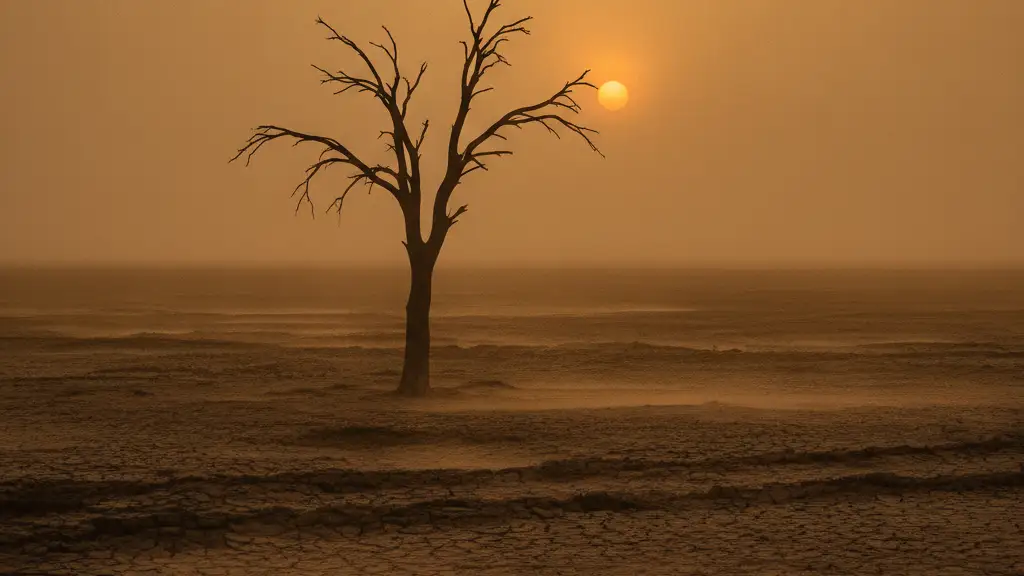
Southern England received only 1% of its typical July rainfall, exacerbating already parched conditions.
Wisley, Surrey, recorded 40 consecutive dry days, contributing to a severe water deficit.
Officials officially declared drought across large parts of Wales.
Hosepipe bans currently affect 23 million customers nationwide, a direct consequence of depleted water resources.
This month registered as exceptionally hot, with the Met Office recording a mean temperature so far of 17.5C.
England marked its hottest June on record, and Wales experienced its second warmest June.
The persistent dry conditions significantly elevated the risk of wildfires.
Firefighters dealt with 19 significant wildfires simultaneously in England and Wales during the third heatwave in mid-July.
Phil Garrigan, a fire chief, confirmed, 'More than 200 wildfires in just 12 days shows how quickly the risk can escalate when hot, dry conditions take hold.'
More than 200 wildfires in just 12 days shows how quickly the risk can escalate when hot, dry conditions take hold.
The National Fire Chiefs Council highlighted 'how quickly wildfire activity can increase during prolonged periods of hot and dry weather.'
Garrigan also noted, 'The scenes we’re seeing across parts of Europe are a stark reminder of what a changing climate means for fire and rescue services.'
In south-west France, 220,000 people have been forced from their homes due to wildfires.
In Bordeaux, France, a fire grew large enough to generate its own thunderstorms.
The Ministry of Housing, Communities and Local Government invests nearly £100 million to help replace assets used to tackle wildfires.
Garrigan underscored the need for continued investment, stating, 'That’s why we need continued investment in specialist wildfire capabilities, including aerial firefighting support, so we’re prepared for the risks ahead.'
Fire chiefs warn that wildfire risk 'remains elevated across the UK' due to 'continued dry conditions, combined with warmer temperatures and harvesting activity in many rural areas.'
Forecasters predict a 'North-South split' in weather patterns across the UK.
Northern Ireland, Scotland, and northern England expect rain and clouds, contrasting sharply with the dry conditions in the south.
Wolverson stated, 'Elsewhere, the weather will be more changeable, and the change to cooler, more unsettled conditions will arrive sooner from the north and west, with a mix of sunshine and showers.'
He added that across northern areas, heavier showers are possible with a small risk of isolated thunderstorms through the week.
The weather in Merseyside forecasts mid-20s Celsius, with a high of 26C on Wednesday afternoon, July 29.
Yellow alerts will activate in the South West, West Midlands, and Yorkshire and The Humber, indicating moderate risk.
No heat health alerts currently apply to the North East and North West regions.
Temperatures expect to cool slightly on Friday, July 31, dropping to the mid-twenties across the country.
Thursday, July 30, will bring fresher conditions across all regions with sunshine and a few showers.
However, the Met Office's long-range forecast suggests further heatwaves could occur during the latter half of August.
Heatwave thresholds may need adjustment due to climate change, a point echoed by Marco Petagna.
Petagna stated, 'Going forward they'll need to be adjusted to take into account... current climate, otherwise we're going to more frequently go into heatwaves.'
Petagna added, 'It's a moveable thing, really, as we go through a warming world.'
Fire chiefs emphasised that prevention remains the strongest defence against wildfires.
Fire chiefs stated that 'disposing of cigarettes safely, avoiding the use of disposable barbecues in open spaces and taking litter home can significantly reduce the risk of fires starting.'
Garrigan concluded, 'We are not seeing fires of that scale in the UK today, but the science tells us we should expect larger, more frequent and more complex wildfires in the future.'