UK Grapples with Severe Water Crisis Amidst Fourth Heatwave
Satellite imagery reveals widespread vegetation stress as England faces its driest July on record, impacting 31 million people.

Callum Smith
The United Kingdom is enduring its fourth heatwave of the summer, intensifying a severe water crisis across large swathes of the country.
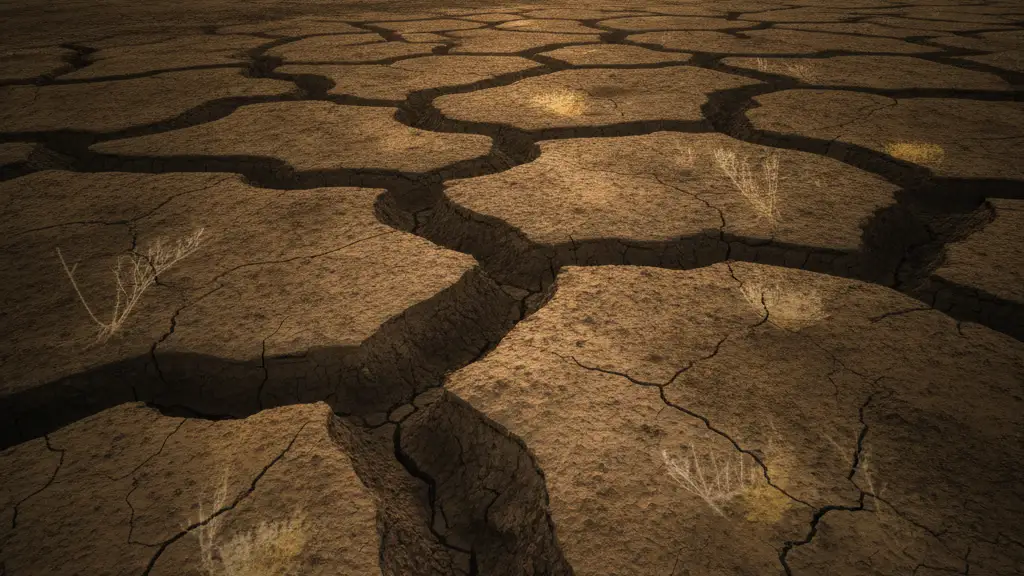
July 2022 stands as England's driest month on record, with a national rainfall average plummeting to just seven percent of its usual levels.
Southern regions, particularly hard-hit, endured an even more severe deficit, receiving a mere one percent of their typical precipitation.
Temperatures soared to 35.5C in July 2022, following a relentless succession of record-breaking heatwaves in May and June.
The Met Office confirmed a new June 2022 temperature record of 38C earlier in the summer.
Wisley in Surrey has endured 44 consecutive days without rainfall as of July 30, 2022; significant blazes erupted in Suffolk and the Cairngorms.
Satellite imagery reveals stark landscape changes across the country; areas in Conwy, Flintshire, Denbighshire, and Merseyside show the most significant shifts as previously vibrant green fields now appear light brown.
Affected regions across England include East Anglia, Hertfordshire, London, Thames Valley, Hampshire, Isle of Wight, Devon, Cornwall, West Midlands, and Wessex, where the widespread browning signals profound environmental stress.
Helen Wakeham, a leading environmental official, stated, "The hot and dry weather means we are currently using water faster than nature can replenish it."
A second consecutive summer drought is an exceptionally serious situation and one that will have long-lasting impacts on our environment, wildlife and the economy.
Wakeham issued a stark warning: "A second consecutive summer drought is an exceptionally serious situation and one that will have long-lasting impacts on our environment, wildlife and the economy."
While vegetation browning does not necessarily indicate plant death, prolonged dry periods severely impact root systems and groundwater levels.
Falling groundwater levels during extended dry spells remove a crucial backup water source for trees and other deep-rooted vegetation, exacerbating the crisis.
The combination of minimal rainfall and prolonged hot weather creates significant issues for the farming industry, directly impacting agriculture and threatening national food supplies.
Despite the widespread drought conditions gripping England, reservoirs in Scotland, Wales, and Northern Ireland maintain reasonably stocked levels.
Wales recorded only 7.9mm of rain, nearly a third of its previous record low, while the Environment Agency confirms national reservoir storage has fallen to approximately 75%.
Reservoirs serve as vital water sources, storing excess rainwater for drier periods alongside rivers and groundwater; their declining levels signal a critical depletion.
More than 20 million people across the country now live under mandatory hosepipe bans.
Helen Wakeham urged public cooperation, stating, "We want everyone to stay safe and hydrated during the hot weather but every drop we can save is a drop more for nature and agriculture."
The UK's National Risk Register now includes a scenario of three consecutive years of extreme dry weather, an update reflecting a heightened awareness of long-term climate threats.
Critical national infrastructure, including power stations, transport hubs, and hospitals, faces potential impacts from drought; data centers, highly electricity-intensive and water-dependent, are particularly vulnerable.
Scientists confirm the UK confronts a growing risk of water shortages in the coming decades, as human-caused climate change and increased demand drive this escalating threat.