UK Braces for Partial Solar Eclipse Amid Conflicting Safety Advice
Health officials warn of retinal damage risks as government suggests colander viewing and astronomers claim easier direct observation.

Sarah Connor
A partial solar eclipse will sweep across the UK on 12 August.
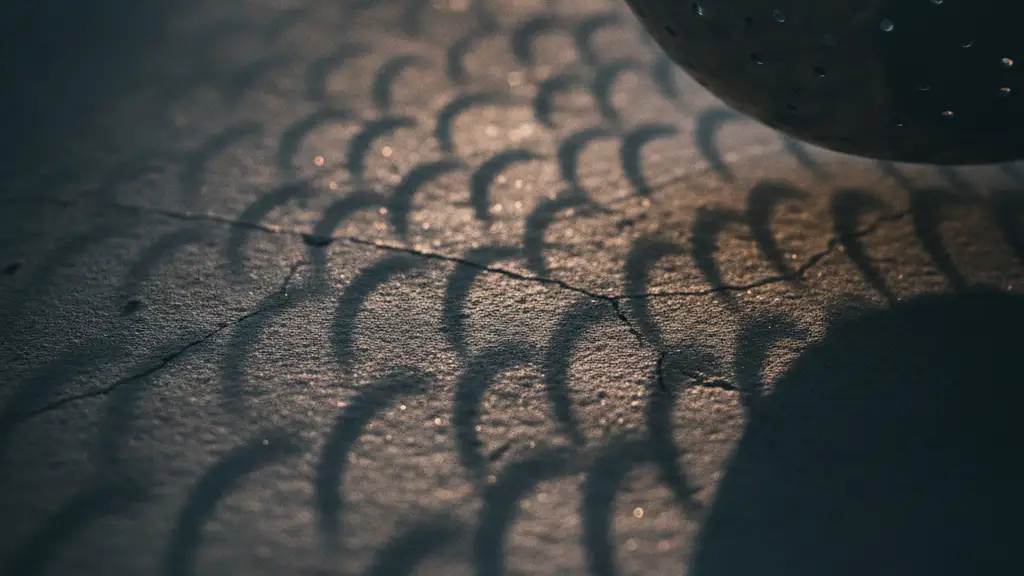
Safe viewing demands eclipse glasses certified with 'ISO 12312-2' or 'ISO 12312-2:2015'. Yet, the government warns Britons to view the upcoming solar eclipse with a colander, aiming to prevent permanent eyesight damage.
Astronomers claim the Sun will appear darker during the eclipse, making direct viewing easier. This statement directly contradicts official health warnings.
This will be the most complete solar eclipse visible in the UK since 1999.
The moon will pass directly between the sun and Earth, blocking most of the sun’s light. Royal Museums Greenwich claims this will be the most complete solar eclipse visible in the UK since 1999.
About 90 per cent of the sun's light will be blocked in London, with approximately 95 per cent obscured in the South West of the UK. Despite this significant blockage, Royal Museums Greenwich claims the sky will not become dark as it is not a total eclipse.
A noticeable difference in temperature and light levels is expected. Millions are expected to see the partial solar eclipse across the UK, with around 90-96% of the Sun obscured by the Moon at its maximum.
The Royal Observatory will offer a livestream of the event, providing an alternative for those unable to view it directly. Consumers are cautioned about online products that do not meet safety requirements for eclipse viewing.
The eclipse will conclude for all UK viewers by 8.10pm.