England Grapples with Unprecedented Drought as Water Supplies Dwindle
Half of England declared in drought last month, with July marking the driest on record, prompting widespread hosepipe bans and critical health alerts.
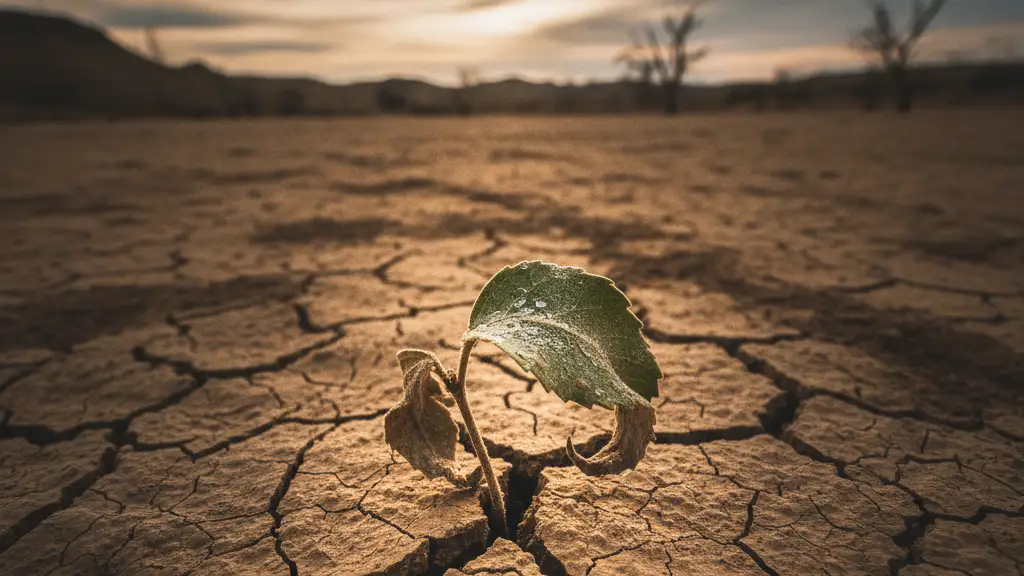
Image: Eddie Pollard / AI

Callum Smith
Half of England was officially in drought last month, with July being the driest on record.
The UK Health Security Agency has issued amber heat health alerts for the East Midlands, East of England, South East, and London. These alerts remained in place from 9am on Wednesday, July 29, until 9am on Thursday, July 30, and then again from 09:00 BST until the same time on Wednesday, August 5.
Several UK water suppliers have already imposed hosepipe bans. These restrictions affect East Anglia, Hertfordshire, London, Thames Valley, Hampshire, Isle of Wight, Devon, Cornwall, West Midlands, and Wessex.
Residents in these regions must now adhere to strict limitations. They cannot water gardens, clean cars, fill paddling or swimming pools, or clean windows.
Helen Wakeham stated that the hot and dry weather means water is currently being used faster than nature can replenish it.
A new £3 million mega-reservoir on the Elveden Estate in Suffolk, completed in October last year, has been almost completely depleted. This follows a month-long heatwave, draining its 500,000 cubic metres of water.
The winter barley harvest at the Elveden Estate also saw a significant reduction. Yields were 30% down on average.
Dr Emily Carlisle noted that the headline story for July is undoubtedly the rainfall. Extraordinary low totals across parts of England and Wales meant some locations recorded little or no meaningful rainfall for much of the month.
This could be one of the driest Julys in nearly two centuries of records.
Provisional figures suggest this could be one of the driest Julys in nearly two centuries of records. This is particularly notable when coupled with the exceptional heat experienced so far this summer, Dr Carlisle added.
In Southern England, only 1.9mm of rain was measured in July. This figure beats the previous regional record low of 2mm set in February 1891.
England and Wales have each experienced their sunniest month ever observed. Temperatures are expected to hit 35°C again this week, according to Met Office data.
Helen Wakeham warned that a second consecutive summer drought presents an exceptionally serious situation. This will have long-lasting impacts on the environment, wildlife, and the economy.
She urged everyone to stay safe and hydrated during the hot weather. Every drop saved contributes more for nature and agriculture, she emphasised.
The extreme heatwaves this summer have put lives at risk, sparked wildfires, and forced millions of households into hosepipe bans.
Ten homes were damaged in a fire in Ash Keys, Crawley. This was a direct consequence of the prevailing dry conditions.
The water crisis extends beyond England's borders. Rome faced eight hours a day without running water in 2017.
Italy declared a state of emergency and implemented strict water rationing in Sicily two years ago. The Spanish town of Vacarisses near Barcelona limited running water to only eight hours per day in 2022.
In 2018, Cape Town, South Africa, implemented extreme restrictions on water usage. This followed three consecutive years of severe drought.
Hungary faces power cuts due to record low water levels in the River Danube. This has forced its only nuclear power plant to shut down.
Astypalaia, one of seven Greek islands that have declared a drought emergency, now relies on bottled water.
Emma Hardy stated that the climate is changing, droughts are becoming increasingly common, and preparedness for this new normal is essential.
She affirmed that long-term change is being delivered in the water industry. This drives record investments in infrastructure, including nine new reservoirs.
The Environment Agency has warned that England’s public water supply could face a shortfall of five billion litres a day by 2055 without urgent action.