Rail Track Defect Preceded East Sussex Derailment
Interim RAIB report cites 'track geometry irregularity' as 30 passengers injured in Lewes incident.

Callum Smith
A rail track defect existed in the area where a train derailed in East Sussex last week.
Thirty individuals sustained injuries; 20 required hospital treatment, and British Transport Police confirmed two people suffered serious but not life-threatening injuries.
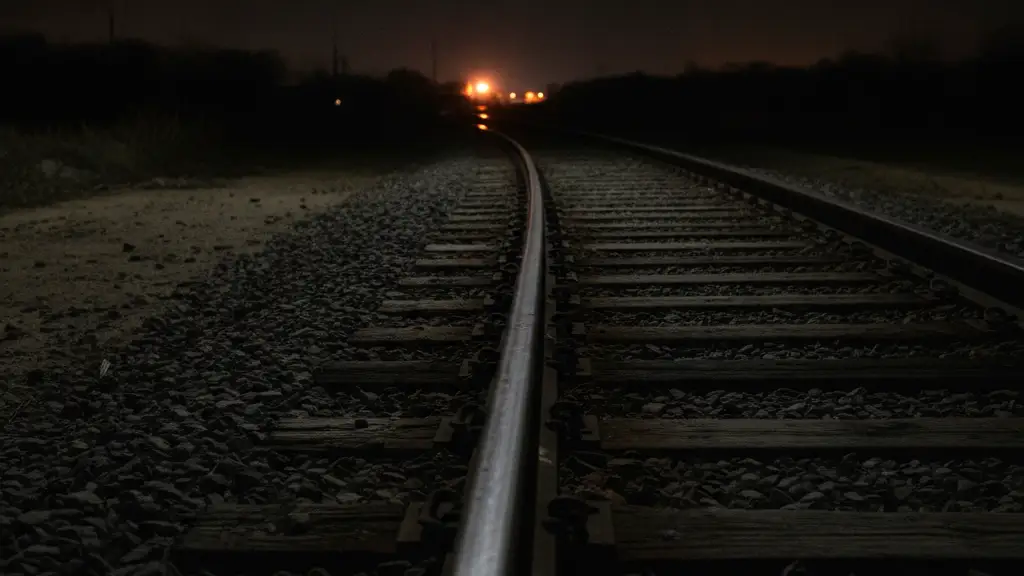
An interim report from the Rail Accident Investigation Branch (RAIB) confirmed CCTV images from preceding services showed a 'track geometry irregularity' at the derailment location.
Preliminary analysis of the train's onboard data recorder indicated it traveled at approximately 65mph as it approached the point of derailment in Lewes.
The RAIB also received several reports of 'rough riding' at the derailment location from passengers on other trains. The track is understood to have buckled, a phenomenon that can occur during high temperatures, according to the RAIB.
The derailment reportedly took place on August 13, the UK's hottest day of the year so far, with ambient air temperature recorded at approximately 27C near the scene.
The accident is understood to have occurred during a sustained period of hot and dry weather, with temperatures as high as 33°C registered shortly before the crash.
Evidence of previous track maintenance existed in the area. The embankment near the Lewes derailment site is made of clay, sensitive to moisture variations.
The RAIB will consider weather conditions, track status, embankment, train condition, and hot weather mitigation measures as part of its ongoing inquiry.
Network Rail and Southern Rail stated that cranes will lift the carriages away, an operation complicated by the location near a river, a site of special scientific interest, and restricted road access.
The UK’s railways remain among the safest in the world, with the number of delays caused by track faults falling by 45% since the late 2000s.
The railway line will remain closed for at least another week. A Department for Transport spokesperson stated, 'The UK’s railways remain among the safest in the world, with the number of delays caused by track faults falling by 45% since the late 2000s.'
Network Rail and Greater Thameslink Railway (Southern Rail) issued a joint statement apologizing for the incident.