Train Crash Near Bedford Kills One, Injures 162
Investigation launched after service proceeds past red signal, colliding with stationary train.
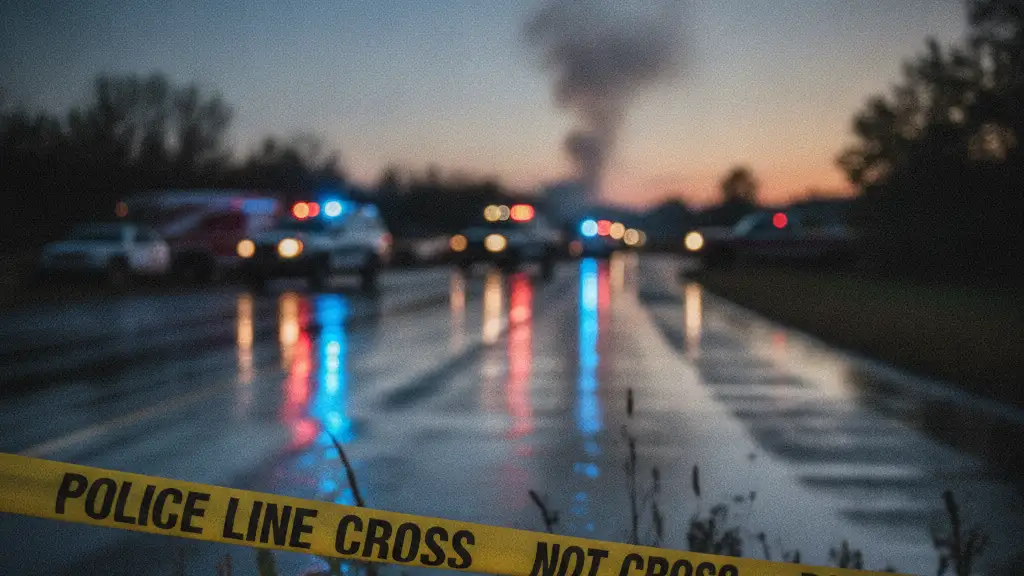
Image: Matt Weston / AI

Carla Rooney
A train crash near Bedford on June 19 claimed the life of Shaun Burton, 60, and left 162 others injured.
The Fingerprint Identification Bureau formally identified Shaun Burton on June 25, confirming the identity of the deceased.
At the moment of impact, the train's speed registered 49mph.
The preceding service, designated Train 1B67, halted on the tracks due to a fault within its Automatic Warning System (AWS) equipment, which activated its brakes.
Images captured by a forward-facing CCTV camera reveal the signal near the crash site displayed a red aspect as Burton's train approached and subsequently passed it.
The Rail Accident Investigation Branch (RAIB) confirms Mr. Burton's train proceeded past this red signal, a central focus of their inquiry.
This incident recalls previous signal passed at danger (SPAD) events, a persistent challenge for railway safety across the UK.
The 1999 Ladbroke Grove crash, which killed 31 people, involved a train passing a red signal.
Emergency services flooded the area immediately after the crash, with paramedics and fire crews extracting passengers and providing first aid.
The 162 casualties placed significant strain on local hospitals, including Bedford Hospital and nearby facilities.
Beyond the immediate response, this event prompts examination of existing safety mechanisms and operational procedures for the rail industry, particularly the reliability of AWS systems.
Stakeholders across the political spectrum will question the Department for Transport regarding investment in railway infrastructure and safety upgrades.
The public, as passengers and taxpayers, seeks assurances that such a tragedy will not recur, placing pressure on Network Rail and train operating companies.
Economically, the disruption to services on this vital line will incur substantial costs, impacting commuters and freight transport for an extended period.
Looking ahead, the RAIB's final report will shape future policy decisions, potentially leading to mandates for enhanced driver training or technological improvements in signal enforcement.
The long-term implications could include a re-evaluation of fail-safe mechanisms designed to prevent trains from entering occupied sections of track.
This crash near Bedford highlights the constant vigilance required to maintain safety across the nation's extensive railway network.