Prime Minister Confirms New Nuclear Submarine Funding Amidst Scrutiny
£8.4bn investment sparks debate over job creation and programme viability, with critics citing rehashed plans and existing fleet issues.

Sarah Connor
The Prime Minister is set to confirm the next tranche of funding for four new nuclear submarines, a move that has ignited both economic optimism and sharp criticism regarding the project's long-term trajectory.
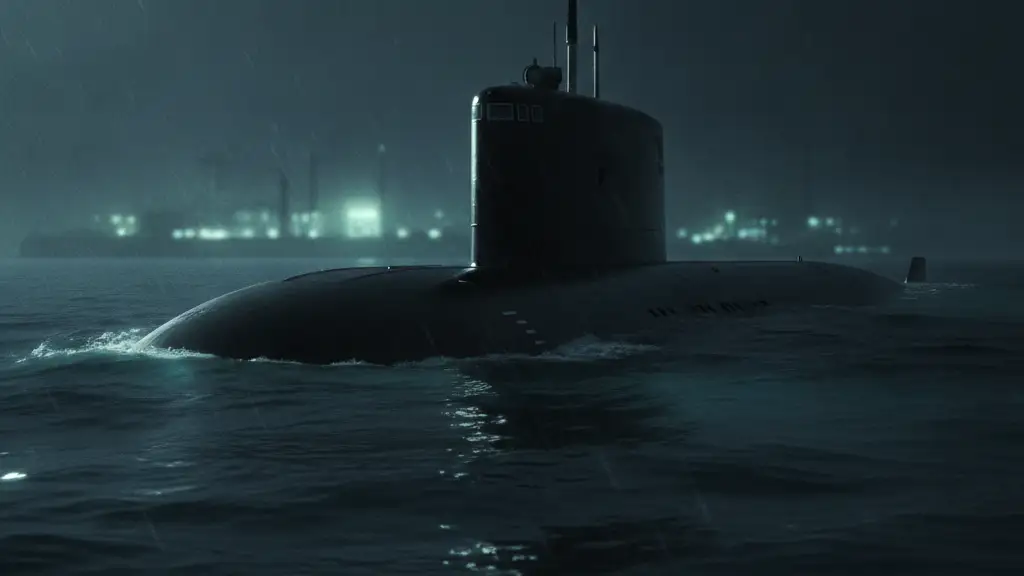
New nuclear-armed vessels, powered by a Rolls-Royce nuclear propulsion system, directly address severe maintenance delays and mechanical defects plaguing the current Vanguard-class submarines.
Of the total allocation, BAE Systems receives £5.9 billion, with an additional £2.5 billion bolstering the wider supply chain.
The Defence Nuclear Enterprise currently sustains approximately 47,000 jobs across Britain.
Andy Burnham claims this investment aims to protect and expand these roles through new apprenticeships, pledging the spending would generate tens of thousands of jobs and strengthen hundreds of businesses nationwide.
The announcement, he further claimed, committed the government to reindustrialising Britain and tackling youth joblessness, focusing on long-term economic benefits.
The submarines produced in Barrow will protect Britain for decades to come, and the 47,000 jobs and apprenticeships will change lives both in this town and in dozens of places like it.
Mr. Burnham stated, "The submarines produced in Barrow will protect Britain for decades to come, and the 47,000 jobs and apprenticeships will change lives both in this town and in dozens of places like it."
The Defence Nuclear Enterprise workforce projects growth to 65,000 by the end of the decade, with 22,000 apprenticeships anticipated by 2035, according to Mr. Burnham.
This project, in development for 20 years, first received its announcement in 2006.
The £8.4 billion spending constitutes the fourth phase of the project and found inclusion within the Defence Investment Plan.
Under Sir Keir Starmer, the Government committed to spending 3.5% of GDP on defence by 2035 and expressed an ambition to reach 3% in the next Parliament.
The UK currently operates below the NATO target for defence spending, providing context for the government's financial commitments.
However, the announcement drew criticism, with Danny Kruger claiming it was a "rehashed spending plan" that "does nothing to address the crisis in the UK's nuclear programme."
James Cartlidge echoed this sentiment, stating the money "would appear to be a reannouncement of funding previously confirmed" in the Defence Investment Plan (DIP).
British money, spent on British workers, British firms and British skills, in the places that were written off for 40 years.
Andy Burnham also declared, "British money, spent on British workers, British firms and British skills, in the places that were written off for 40 years."
He further claimed there would be 'more social value weighting in public contracts', with a particular focus on firms offering 45-day work placements.
Wes Streeting, addressing fiscal discipline, stated, "I’m sorry but that path leads to uncertainty, a loss of market confidence, a rise in borrowing costs, so we end up paying a heavy price if you don’t have that fiscal discipline of spelling out at the same time, not just what you will spend, or the taxes you would cut, but also how you would pay for it."
This investment aims to protect Britain and create 47,000 jobs and apprenticeships across the UK, according to Mr. Burnham.