Households Near New Pylons to Receive Energy Bill Discounts
Government initiative offers up to £2,500 over a decade for communities hosting vital grid upgrades, with first payments due in 2027.
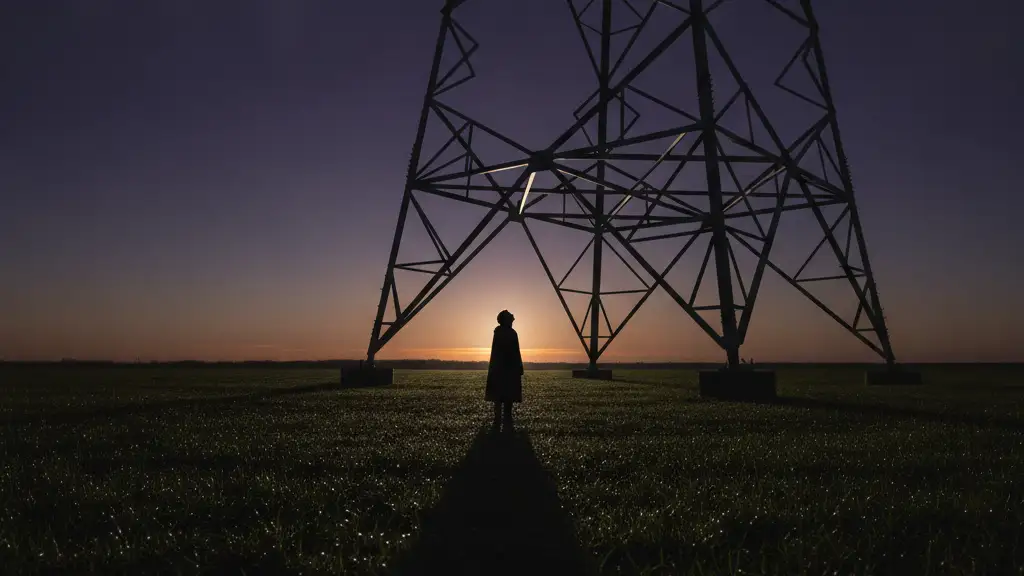
Image: Eddie Pollard / AI

Callum Smith
Households within 500 metres of new grid infrastructure will receive energy bill discounts.
A new scheme targets over 40 planned grid upgrade projects, with automatic discounts distributed every six months, beginning next year.
Households within 500 meters of new or upgraded pylons are eligible, specifically for overground transmission projects that commenced construction on or after March 10, 2025.
Ofgem will administer the scheme; initial payments are scheduled for the first half of 2027.
Government-commissioned research found building pylons represents the most cost-effective method for upgrading electricity networks.
This investment in grid infrastructure prevents substantial costs; the electricity system operator currently pays gas plants to fire up and buys imported electricity. These payments are projected to reach £3bn by 2030.
Up to 160,000 households are expected to benefit from the scheme, sometimes dubbed "pounds for pylons."
Projects by National Grid Electricity Transmission, SP Energy Networks, and SSEN Transmission are eligible; two-thirds of these projects are reportedly located in Scotland.
The Energy Department (Desnz) has outlined 43 initial projects for its "bills discount scheme."
Ministers state replacing and upgrading decades-old infrastructure is vital for distributing renewable power and improving energy security.
It is a moment of national renewal – upgrading what was built largely in the 1960s for the modern age and is our route to bringing down electricity bills for households across the country.
Shanks further emphasised, "It’s vital we build again as a country and we are determined those communities which host pylons should benefit which is why we’re bringing down the energy bills of those hosting this vital national infrastructure."
The government hopes these payments will prevent a backlash against the increased building of pylons and substations.
However, critics argue the discounts offer meagre compensation for the impact on homes, neighbourhoods, and the environment.
Rural campaign groups contend it is impossible to put a price on the loss of landscapes. National Grid and transmission companies argue that undergrounding network cables would be significantly more expensive and complicate repairs.
Communities that host new electricity transmission infrastructure are playing a vital role in delivering the cleaner, more secure energy system Britain needs. This scheme will help ensure eligible households living near these projects see a direct benefit through discounts on their energy bills.
Ofgem's role, as Lawrence explained, is to ensure payments are "delivered effectively, fairly and transparently to eligible customers."
Some households, such as those on commercial meters, may need to apply for the discount, according to the Department for Energy Security and Net Zero (DESNZ).