High Court Rejects CPS Challenge Over Koran Burning Acquittal
Judges rule against prosecutors seeking to overturn the successful appeal of Hamit Coskun
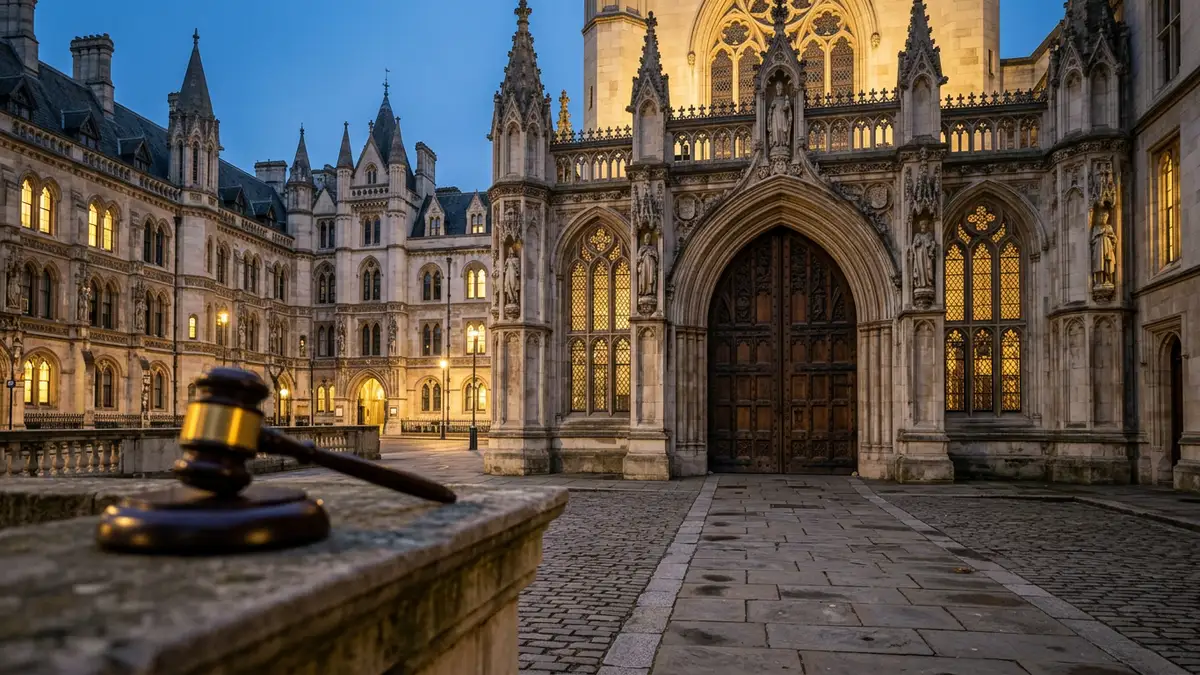
Image: Matt Weston / AI

Callum Smith
The High Court has dismissed a bid by the Crown Prosecution Service to overturn the acquittal of Hamit Coskun, who burned a Koran outside the Turkish consulate in London.
Lord Justice Warby and Ms Justice Obi ruled that the Crown Prosecution Service (CPS) submissions functioned merely as counter-arguments offering an alternative perspective on established facts. They maintained that the evaluation of these facts and their specific weight remained strictly a matter for the Crown Court.
This legal confrontation follows the 2008 repeal of common law blasphemy in England and Wales. That legislative shift struck the crime of speaking or writing against the established church from the statute books.
David Perry KC, representing the CPS, argued during the proceedings that the prosecution did not represent an attempt to introduce a de facto offence of blasphemy. He asserted the case avoided any impermissible encroachment on the right to free speech held by Hamit Coskun.
The High Court rightly rejected a wrongheaded attempt to introduce a blasphemy law by the back door.
The CPS maintained that the specific words used, the choice of location, and the physical act of burning the Koran amounted to disorderly behaviour. Their legal team argued that Coskun demonstrated clear hostility toward a religious group at the moment of the incident.
Tim Owen KC, acting for Hamit Coskun, countered by describing the CPS appeal as entirely unarguable. He stated the prosecution sought only to rehash arguments that had already failed in previous legal proceedings.
Beyond the courtroom, the Free Speech Union characterised the High Court decision as a humiliating defeat for the CPS. The organisation immediately called for the Director of Public Prosecutions to resign following the ruling.
Lord Young of Acton, general secretary of the Free Speech Union, stated this appeal should never have been brought by the Crown Prosecution Service. He argued that Hamit Coskun should never have faced prosecution in the first place.
There should be no place for Islamic blasphemy laws in Britain.
Stephen Evans, chief executive of the National Secular Society, said the High Court rightly rejected a wrongheaded attempt to introduce a blasphemy law by the back door. He demanded a serious review into why the CPS originally charged Coskun.
Furthering this critique, Evans questioned why the state chose to charge a man with causing harassment, alarm, and distress to the religion of Islam. He called for a formal investigation into why the case was pursued to the High Court level.
Political stakeholders have simultaneously signalled intense pressure regarding the use of public order laws in religious contexts. Chris Philp described the prosecution as deeply concerning.
Nick Timothy stated there should be no place for Islamic blasphemy laws in Britain. These comments follow a landscape of increasing tension between free expression and public order legislation.
The Turkish consulate, located in Belgrave Square, has served as the site of multiple demonstrations involving international policy and religious expression. This specific incident occurred within a high-security diplomatic zone.
The High Court's refusal to overturn the acquittal now prevents any reinstatement of the original criminal conviction. This ruling solidifies the Crown Court's earlier decision to clear Hamit Coskun of the aggravated charges.
A lower court initially convicted Hamit Coskun of a religiously aggravated public order offence. He successfully appealed that conviction before the CPS escalated the matter to the High Court.
The CPS has not indicated further legal manoeuvres following the High Court's dismissal of their application. This ruling effectively ends the state's attempt to penalise the 2023 demonstration through the appellate system.
This decision marks a definitive boundary for the Crown Prosecution Service regarding the limits of religiously aggravated public order offences. It reinforces the 2008 legislative intent to separate religious offence from criminal conduct.
Legal observers note that the ruling protects the precedent that factual evaluation remains the exclusive province of the Crown Court. This prevents the High Court from becoming a venue for re-litigating the weight of evidence in free speech cases.
The dismissal of the CPS challenge ensures that the 2023 demonstration at Belgrave Square will not result in a criminal record for Hamit Coskun. The case concludes a lengthy legal battle over the intersection of protest and religious sensitivity.