FIA Implements Engine Compression Tests Following Manufacturer Compromise
New technical directives target thermal expansion loopholes ahead of the 2026 power unit transition.
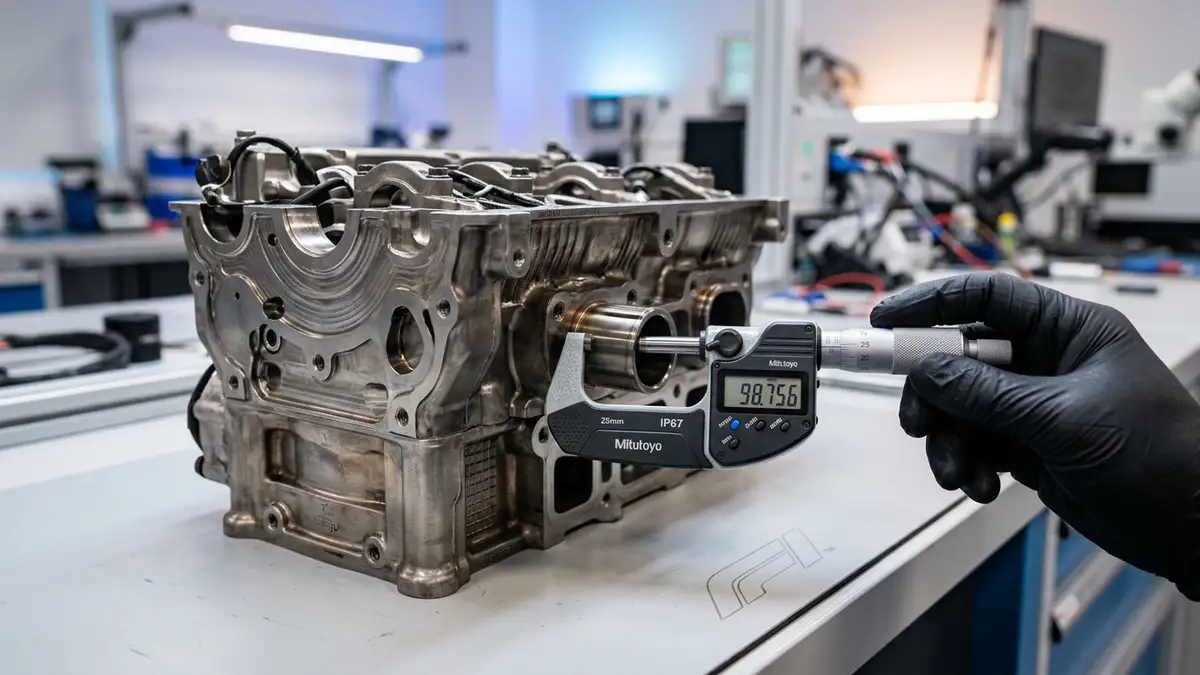
Image: Matt Weston / AI

Carla Rooney
The FIA and Formula 1 engine manufacturers have reached a formal compromise regarding the technical regulations governing the 2026 power units.
The governing body now permits manufacturers to operate engines exceeding a compression ratio of 16:1 at ambient temperature. This adjustment follows intense technical scrutiny into how specific materials react under extreme thermal conditions during a Grand Prix.
Rival teams, including Audi, Ferrari, Red Bull, and Honda, alleged that Mercedes secured a performance advantage through the strategic use of materials technology. These competitors claimed the German manufacturer found a way to circumvent established engine compression ratio limits.
The technical dispute centered on the exploitation of a loophole involving thermal expansion to gain on-track performance. Engineers from rival camps asserted that Mercedes utilised material properties to alter engine geometry once the unit reached operating temperature.
Any change to the testing protocols or regulations will make no difference to our performance levels.
Beyond the technical accusations, Mercedes officials stated that any change to the testing protocols or regulations will make no difference to their performance levels. The 2026 regulations represent a significant shift in the sport's history, moving toward increased electrical output and 100% sustainable fuels.
Historically, the FIA has utilised technical directives to close gaps in the rulebook that allow for unintended mechanical advantages. This pattern mirrors previous interventions where the governing body tightened fuel flow and oil burn regulations to maintain a level playing field.
Political pressure mounted as new entrants like Audi prepared to join the grid under the upcoming regulatory framework. These new stakeholders demanded immediate clarity to ensure their massive initial investments were not undermined by legacy loopholes.
Economic stakes remain high for manufacturers who have already invested hundreds of millions of dollars into 2026 research and development. A single technical oversight can render a nine-figure engine programme obsolete before it even reaches the starting grid.
The June tests will involve rigorous measurement of internal engine components to verify compliance with the new 16:1 ratio standards. Technical delegates will monitor how these components expand and contract to prevent the use of heat-activated performance gains.
This compromise aims to stabilise the competitive landscape before the next generation of hybrid power units debuts in two years. By addressing the material science at the heart of the combustion chamber, the FIA seeks to prevent a development arms race in exotic alloys.
The FIA continues to refine the testing apparatus to ensure all six registered manufacturers adhere to the same mechanical constraints. This includes the deployment of high-precision sensors capable of detecting microscopic changes in piston and cylinder head dimensions.
Meanwhile, the landscape of Formula 1 is shifting toward a future where software and electrical efficiency take precedence over traditional internal combustion tricks. These new compression tests serve as a final gatekeeper for the outgoing era of heavy reliance on thermal combustion mechanics.
Industry experts note that the move to 100% sustainable fuels in 2026 necessitates these tighter controls. The chemical properties of new fuels react differently under high pressure, making the 16:1 ratio a critical baseline for all participants.
Public and commercial pressure on the sport to remain relevant to road car technology has driven these sustainable mandates. Consequently, the FIA must ensure that the 'green' transition does not become a cover for hidden performance advantages.
The upcoming June deadline forces teams to finalise their alloy selections and casting processes immediately. Any manufacturer found in breach of the 16:1 ambient temperature standard faces immediate redesign costs and potential homologation delays.
Technical delegates will conduct these inspections at manufacturer headquarters to ensure the integrity of the power units. This hands-on approach marks an escalation in the FIA's oversight of the secretive engine development phase.
The resolution of this dispute provides a rare moment of consensus among the sport's most powerful stakeholders. It clears the path for the 2026 season to begin without the looming threat of technical protests regarding engine legality.
As the transition nears, the focus shifts to how these six manufacturers will balance the 350kW electrical boost with the restricted combustion parameters. The FIA remains the final arbiter in a high-stakes game of engineering and political manoeuvring.