Metropolitan Police Arrest Lord Mandelson in Widening Misconduct Investigation
As blast furnaces cool in South Wales, the economic and social architecture of a nation faces a structural overhaul.
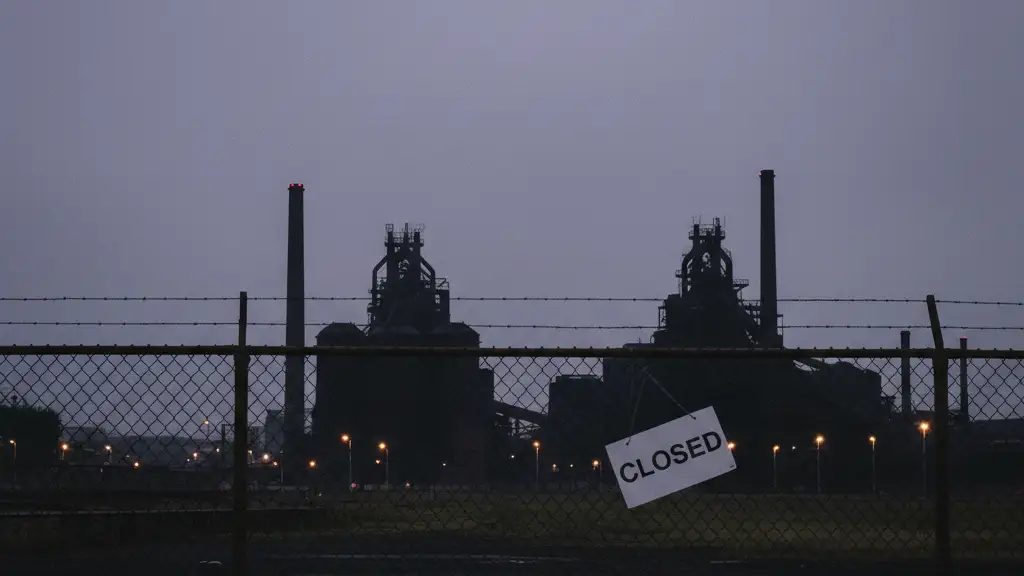
Image: Matt Weston / AI

Carla Rooney
The skyline of Port Talbot is changing as Tata Steel begins the decommissioning of its primary assets, marking a definitive end to the era of traditional coal-fired production in the United Kingdom.
This site has anchored the British steel industry since the early 20th century. The Margam works produced the steel for post-war reconstruction and defined the economic identity of the Neath Port Talbot region.
This legacy now meets the mechanics of the UK’s Net Zero 2050 strategy. Tata Steel generates roughly 1.5% of the UK’s total greenhouse gas emissions, making the site a primary target for carbon reduction.
Westminster remains a theater of friction as the Labour Party and trade unions scrutinize the financial terms. Business Secretary Jonathan Reynolds has conducted repeated negotiations to secure enhanced redundancy packages for the departing staff.
The loss of primary steelmaking capacity leaves the UK vulnerable to international market fluctuations.
On the factory floor, the Community and GMB unions have organized ballots and protests to challenge the closure timeline. They state that the loss of primary steelmaking capacity leaves the UK vulnerable to international market fluctuations.
Economic stakeholders track the £1.25 billion total investment required to install the new electric furnaces. While the government provides nearly half a billion, Tata Steel must fund the remaining £750 million to modernize the facility.
This financial commitment follows a period of volatility in global steel prices. Overcapacity in the Chinese market and rising energy costs in Europe have squeezed margins for UK producers.
The shift to electric arc technology fundamentally alters the raw material requirement. Instead of iron ore and coking coal, the new plant will process domestic scrap metal.
Industry experts at the Energy and Climate Intelligence Unit calculate that this transition will cut the site's carbon emissions by 5 million tonnes per year. The physical footprint of the new operation requires significantly fewer personnel.
The social impact moves through the high streets of Port Talbot and Aberavon. Local businesses, including catering firms and logistics providers, project a secondary loss of income as the works' payroll shrinks.
The UK and Welsh Governments have established a £100 million transition board to address the fallout. This body funds retraining programs and supports new start-ups in the green energy sector.
Engineers have begun the complex process of cooling the structures and purging the gas lines at Blast Furnace 4. This technical procedure marks the end of traditional smelting in the region.
Once the fires are extinguished, crews will dismantle the infrastructure for coal-based steelmaking. This clears the physical space for the installation of the new electric units.
The global steel market monitors this transition as a test case for industrial decarbonization. A successful pivot at Port Talbot would provide a blueprint for other heavy emitters across the G7 nations.
Success depends on more than carbon metrics. The long-term stability of the South Wales economy relies on whether green jobs can replace the high-wage industrial roles currently being eliminated.
As the final plumes of steam rise from the old furnaces, focus shifts to the construction timelines for the new facility. The next three years will determine if the UK remains a primary steel producer or shifts to a total dependence on imported slabs.
The gates at Port Talbot remain a site of quiet activity and physical preparation. The transition has moved beyond policy debate into a physical reality unfolding in real-time.