Premier League Dominance Solidified as Six Clubs Enter Champions League Knockout Draw
Arsenal and Manchester City Lead English Contingent into Friday’s High-Stakes Bracket Selection
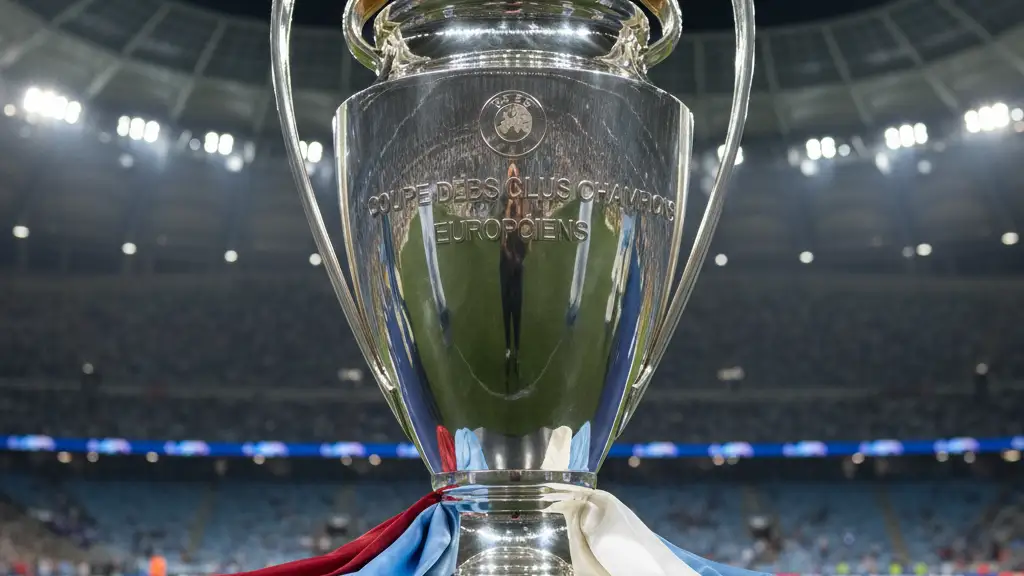
Image: Matt Weston / AI

Callum Smith
Six Premier League teams secured their positions in the Champions League knockout stage this week, ensuring a heavy English presence in the tournament’s final phases.
This strategic pursuit follows Manchester City’s 2023 victory in Istanbul. That win stands as the most recent English triumph in the competition.
Current performance metrics suggest the Premier League produces another winner this season. Arsenal players and staff have discussed the mechanics of a quadruple.
The club maintains active status in all four major trophy competitions. This continental pursuit represents the most volatile variable in that equation.
Newcastle United occupies the most precarious position among the qualifying teams. Their placement in the draw creates a high probability of facing a top-seeded opponent.
The 1992 rebranding of the European Cup into the Champions League fundamentally altered the economic landscape of English football. Since that pivot, the Premier League has contributed 15 finalists to the competition.
Television revenue for the tournament now exceeds €3 billion annually. This financial structure incentivizes the deep runs executed by the six English sides.
Political pressure on club ownership groups remains high as fans demand continental success. Economic analysts track a direct correlation between knockout stage progression and global brand valuation.
The UEFA coefficient system determines the number of qualifying spots available to each domestic league. England’s current standing protects its four-to-six team representation for the upcoming cycles.
Friday’s draw utilizes a seeded system to prevent teams from the same domestic league or group stage from meeting immediately. This mechanic delays internal Premier League clashes until the quarter-final stage.
Officials draw the balls from glass bowls to dictate the home and away legs for February. The ceremony marks the transition from round-robin points to 180-minute aggregate pressure.
Stadium logistics and security planning for the knockout rounds commence immediately following the announcement. Local authorities in six English cities coordinate with European travel schedules for visiting supporters.
Betting markets adjusted their odds following the conclusion of the group stages. Manchester City and Arsenal currently hold the shortest odds among the English representatives.
Managers shift tactical requirements to account for the elimination format. The focus moves from long-term accumulation to the immediate demands of two-legged ties.
Friday’s results finalize the broadcast schedule for the spring. Global viewership for the last-16 round reaches hundreds of millions across 200 territories.
The path to the final in Munich begins with the selection of these eight specific pairings. Every club official will be present in Nyon to witness the bracket formation.
Security protocols will be established for the high-profile fixtures across the continent. This coordination involves police forces from multiple nations to manage the influx of travelling fans.
The financial windfall for reaching the quarter-finals provides leverage in the upcoming transfer window. Clubs rely on these performance bonuses to satisfy Financial Fair Play requirements.
Historical data shows that English dominance in the last-16 often leads to at least one representative in the semi-finals. The current coefficient ensures the Premier League remains the most influential block in the draw.
Related Keywords
Football