Factory-Farmed Chicken Linked to 100-Fold Rise in Campylobacter, Cancer Concerns Emerge
New research suggests industrial poultry practices are fostering antibiotic-resistant bacteria and may contribute to the spread of bowel cancer.
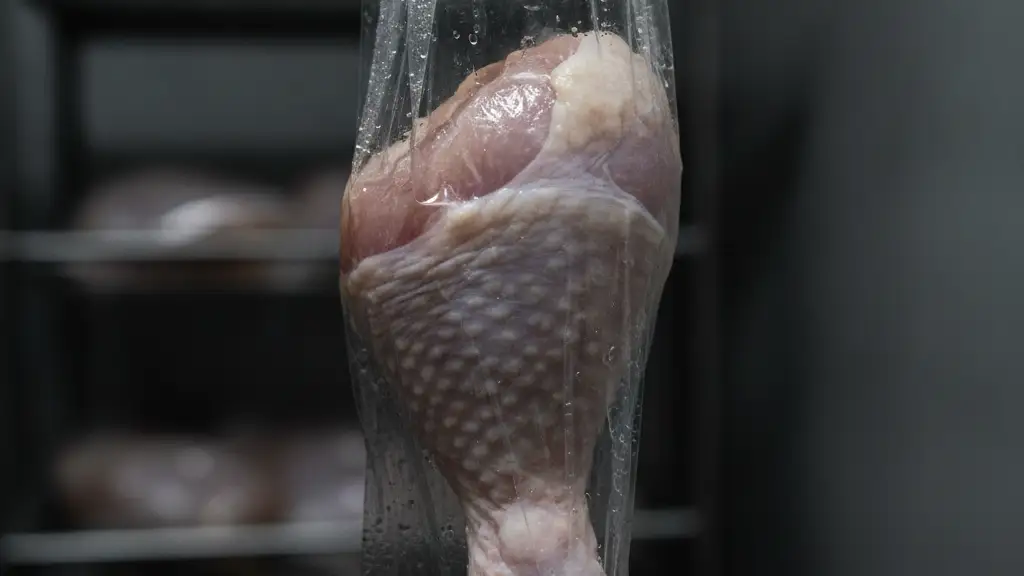
Image: Eddie Pollard / AI

Callum Smith
A recent study has revealed that factory-farmed chicken is responsible for more than a 100-fold increase in Campylobacter, a leading cause of food poisoning.
Factory farming significantly contributes to the widespread dissemination of a dangerous food poisoning disease. University of Oxford researchers indicate the Campylobacter pathogen has evolved, adapting to survive more effectively within commercial chicken flocks.
This adaptation stems from the bacteria developing antimicrobial resistance, a concerning public health development. Oxford researchers further claim commercial chicken farms function as 'sponges' for harmful bacteria, accumulating and spreading these pathogens.
This suggests a systemic issue within the industry; large-scale operations inadvertently become reservoirs for dangerous microbes. The historical context of this issue stretches back to 1979, with study data spanning decades.
This illustrates a decades-long trajectory of bacterial evolution within agricultural systems. The analysis of nearly 2,800 bacterial genomes provides a robust dataset for understanding these evolutionary shifts.
Stakeholders across the food industry and public health sectors face mounting pressure to address these findings, given the direct link to foodborne illness. The economic implications for poultry producers will be substantial if consumer confidence erodes or new regulations emerge.
Beyond food poisoning, Chinese scientists confirm Campylobacter produces a toxin capable of activating signalling pathways within existing bowel cancer cells. This activation encourages cancer cells to invade surrounding tissue and metastasize to other organs.
Chinese scientists indicated that Campylobacter produces a toxin capable of activating signalling pathways within existing bowel cancer cells. This activation encourages cancer cells to invade surrounding tissue and metastasize to other organs.
The landscape of food safety and public health shifts dramatically. These findings will reshape how industrial farming practices are viewed and regulated.
The potential connection between common food sources and serious diseases like cancer introduces a new, urgent dimension to the debate over agricultural methods. This demands immediate attention from policymakers and industry leaders alike.