Arctic Freeze to Bring Snow and Sub-Zero Temperatures Across United Kingdom
A -4C cold front targets Scotland and Northern England as shifting jet stream patterns trigger late-season blizzard warnings
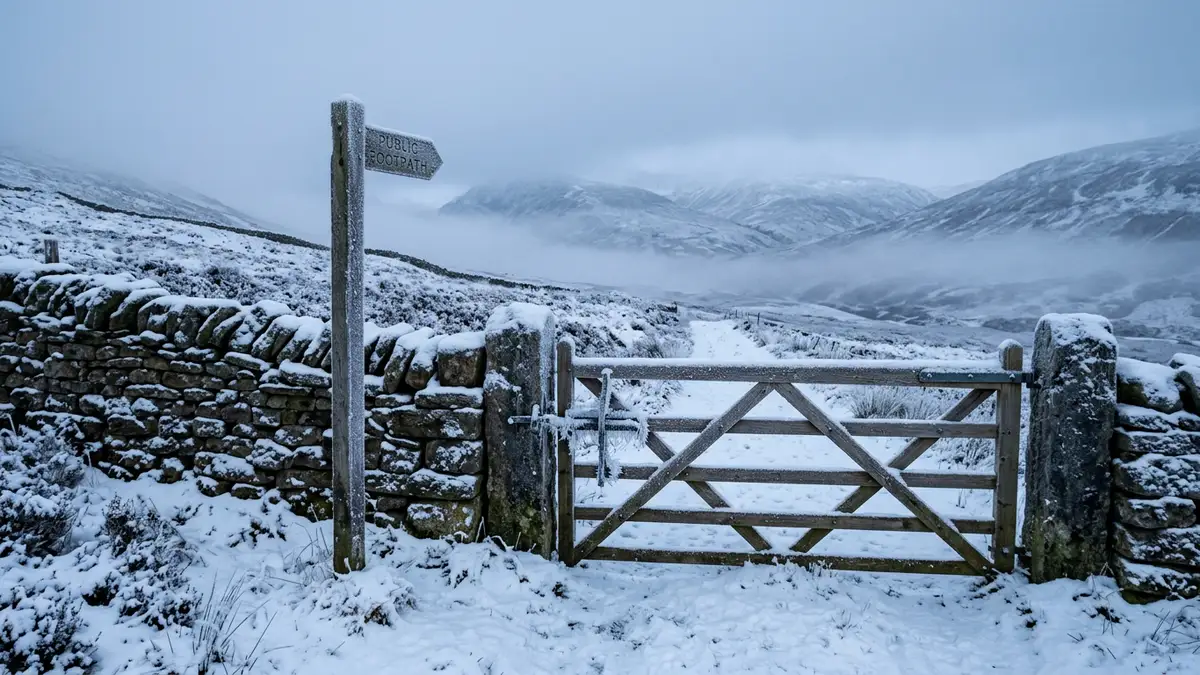
Image: Matt Weston / AI

Carla Rooney
Weather maps indicate a significant snow event will descend on parts of the United Kingdom on March 14 as a cold front moves across the British Isles.
The North and North West of England face imminent blizzards with snow depths reaching between 2cm and 3cm. The West Midlands will escape the blanketing even as surrounding regions prepare for heavy accumulation.
The physical movement of the cold air tracks a shift in the jet stream. This shift allows Arctic air to penetrate the UK mainland while England and Wales remain mostly cloudy and dry.
Scotland and Northern Ireland see sunshine despite the plummeting temperatures across the northern latitudes. Precise moisture levels will dictate whether the predicted 3cm of snow materializes or remains as freezing rain.
Meteorological history shows that March transitions involve these sharp, late-season cold snaps. These events physically strain the British transport network during the transition to spring.
Local authorities and transport stakeholders track the 2cm to 3cm accumulation forecasts to set gritting schedules. Maintenance crews in the North West wait to clear primary arterial routes as the front approaches.
Energy grids face increased demand as the -4C freeze triggers a sudden spike in domestic heating requirements. Grid operators balance this surge against the seasonal reduction in energy production.
Snow remains difficult to predict due to slight changes in moisture levels.
Forecasters state that snow remains difficult to predict due to slight changes in moisture levels. A fractional shift in wind direction moves the heaviest snowfall away from populated centers.
This weather pattern follows a period of volatility where shifting moisture levels altered regional forecasts. The current system has forced frequent updates for residents in Wales and the Midlands.
Historical data from previous March freezes indicates that sub-zero temperatures delay the agricultural growing season. Farmers across the North observe the -4C projections to protect early-season crops and livestock.
The drop to -4C presents a physical challenge for vulnerable populations and those in fuel poverty. Social services and local councils coordinate to keep heating systems functional during the peak of the freeze.
The Met Office and meteorological observers note that clear skies in Northern Ireland will not mitigate the biting cold. The lack of cloud cover allows heat to escape the atmosphere rapidly at night.
Clear skies in Northern Ireland will not mitigate the biting cold.
Infrastructure experts point to the specific risk of ice on rail lines accompanying 2cm to 3cm of snow. Engineering teams prioritize de-icing operations in the five counties identified as high-risk zones.
The economic impact of late-season snow manifests in retail and transport delays across the Midlands. Business owners adjust logistics to account for the blizzard conditions in the North West.
The contrast between the sunny north and the cloudy south remains stark as the cold front moves across the British Isles. Dry conditions in England provide a window for preparation before moisture levels shift again.
Long-term climate trends suggest that while winters are warming, the frequency of sudden Arctic air incursions remains a factor. This -4C event aligns with the pattern of increased atmospheric volatility observed in recent years.
The final depth of the snow depends on the interaction between the cold air mass and moisture moving from the Atlantic. Residents in the path of the storm monitor local updates as the March 14 deadline approaches.