Wildfire Concerns Mount as Petition Calls for Disposable BBQ Ban Amidst Extreme Drought
Public safety and environmental risks highlighted as UK faces fourth heatwave and minimal rainfall.
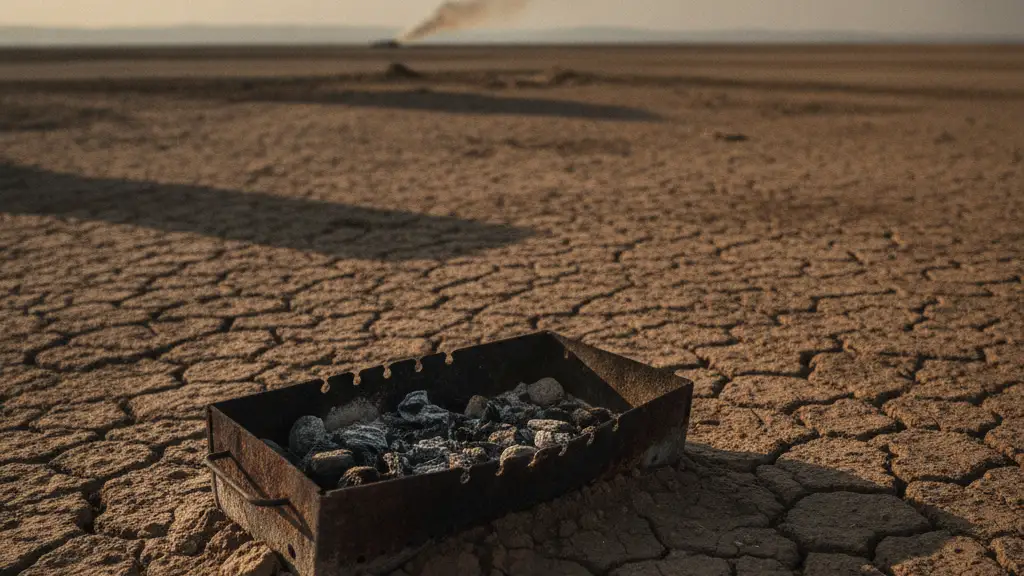
Image: Eddie Pollard / AI

Callum Smith
The UK confronts escalating wildfire risks, prompting a significant public petition to ban disposable barbecues following recent blazes and severe drought conditions.
Marissa Pysarczuk asserts a direct link between disposable barbecues and preventable wildfires. These fires threaten public safety, devastate wildlife, and strain emergency services while generating unnecessary waste.
Southern England has received a mere 1% of its average July rainfall, a severe drought exacerbating the dry conditions that fuel such destructive fires.
An approaching fourth heatwave intensifies the urgency of addressing potential fire hazards. The Government must issue a written response once a petition reaches 10,000 signatures.
Beyond the immediate fire risk, increasing pressure on waste management systems compounds the problem. Marissa Pysarczuk champions action to reduce avoidable harm caused by these products.
Historically, the UK has faced similar challenges, with past dry spells leading to significant land damage. The current drought presents a unique confluence of factors, pushing the issue to the forefront of public discourse.
Stakeholders across the political spectrum now confront mounting public pressure. Citizens demand decisive action to mitigate environmental threats and protect vital natural resources.
Economically, the cost of wildfire suppression and ecological restoration places a substantial burden on local authorities and national budgets. The Dovestone Reservoir incident alone required extensive resources, diverting critical funds.
The landscape of environmental policy shifts dramatically, driven by undeniable climate realities. Industry leaders face increasing scrutiny to develop sustainable alternatives and reduce their environmental footprint.
Future legislative action could reshape consumer choices and manufacturing practices. A ban on disposable barbecues would represent a significant step in this evolving regulatory environment.
The petition's rapid ascent towards 10,000 signatures signals a powerful public mandate. This compels government officials to acknowledge and address the issue directly.
Emergency services, already stretched thin, advocate for preventative measures. Preventable fires divert critical personnel and equipment from other urgent incidents.
The economic impact extends beyond immediate firefighting costs, affecting tourism and local businesses in fire-affected regions. Communities near Saddleworth experienced disruptions and economic losses following the recent blaze.
This situation underscores a broader societal shift towards environmental accountability. Consumers increasingly demand products and policies that align with ecological preservation.
The government's response to the petition will set a precedent for future environmental policy. This action will define the administration's approach to proactive climate resilience.
The confluence of extreme weather, public outcry, and economic strain creates an undeniable imperative for change. The time for decisive action on disposable barbecues has arrived.