UK Braces for 35C Heatwave, Raising Concerns for Electric Vehicle Batteries
Yellow heat health alerts issued as soaring temperatures threaten EV efficiency and prompt parking advisories.
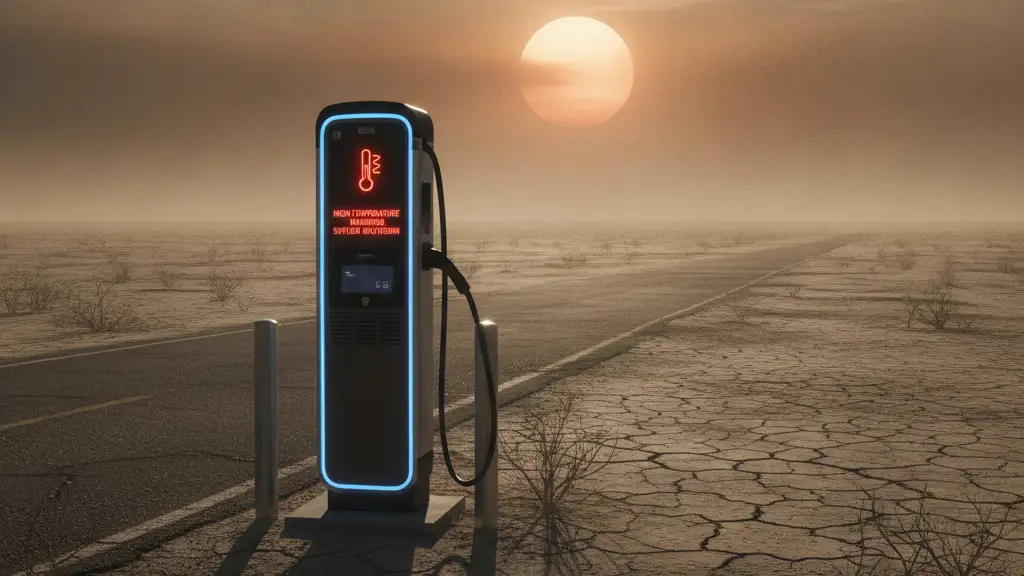
Image: Eddie Pollard / AI

Sarah Connor
The UK faces a significant heatwave this week, with temperatures projected to reach up to 35C in regions including Wales, sparking concerns for electric vehicle performance.
The AA has issued a stark warning regarding the impact of extreme heat on electric vehicle batteries, stating, "Extreme heat is best avoided in storage and in use."
The organisation emphasised the importance of protecting parked vehicles, adding, "But in particular, it's better to keep the vehicle out of direct heat when parked."
This advice directly addresses a critical vulnerability: the battery's thermal management system activates to maintain optimal temperatures, leading to battery drain.
Vehicles left parked in direct sunlight become dangerously hot internally; many drivers overlook this fact, compromising battery longevity and efficiency.
But in particular, it's better to keep the vehicle out of direct heat when parked.
Drivers are being advised to avoid leaving their vehicles parked on exposed driveways during this period of elevated temperatures, guidance that directly contradicts common practice.
Numerous drivers habitually park their cars on driveways without considering the heat's implications; this widespread habit now faces a direct challenge from environmental realities.
The confluence of extreme weather and modern automotive technology highlights a critical vulnerability for electric vehicle owners. Sustained high temperatures will test the resilience of electric vehicle systems and the preparedness of their owners as the week progresses.
The necessity of keeping vehicles out of direct heat when parked becomes paramount, preventing battery drainage caused by continuous thermal management system operation.
Historically, internal combustion engines faced different heat-related challenges, primarily concerning cooling systems and fluid degradation. Electric vehicles introduce a new paradigm, shifting focus to battery thermal regulation, a complex dance of chemistry and engineering.
Stakeholders across the automotive industry, from manufacturers like Tesla and Nissan to public charging network operators, face mounting pressure to provide clear, actionable guidance to millions of EV owners navigating unprecedented heatwaves.
Economically, the premature degradation of EV batteries due to heat exposure represents a substantial cost. Battery replacement runs into thousands of pounds, impacting consumer confidence and resale values.
The public, increasingly reliant on electric transport for daily commutes and longer journeys, demands reliable performance. Political pressure mounts on infrastructure providers to ensure charging stations offer shaded parking options, a feature often overlooked in initial designs.
Looking to the future, the landscape of urban planning and vehicle design must adapt. Architects and city planners will integrate shaded parking solutions into new developments, moving beyond the traditional open-air car park.
Industry shifts will see advanced thermal management systems become standard, not just premium features. Innovations in battery chemistry, such as solid-state batteries, promise greater heat tolerance, though these remain years from widespread adoption.
The societal shift towards electric vehicles, with over 600,000 pure electric cars on UK roads by early 2024, amplifies the urgency of these concerns. Each new EV owner represents another vehicle potentially vulnerable to heat-induced stress.
This challenge extends beyond individual vehicle owners. Emergency services, operating fleets of electric vehicles, must also implement robust heat management protocols to ensure operational readiness, especially during critical incidents.
The long-term viability of electric transport hinges on addressing these environmental vulnerabilities head-on. Ignoring the impact of rising global temperatures on EV infrastructure would prove a critical misstep.
Ultimately, the current heatwave serves as a stark, real-world test. It forces a re-evaluation of how electric vehicles integrate into a rapidly changing climate and demands proactive solutions from all involved.