Tornado Devastates Northeastern Wisconsin, Leaving Thousands Without Power
An EF3 tornado carved a 12-mile path through the Fox Cities, prompting a state of emergency and extensive search efforts.
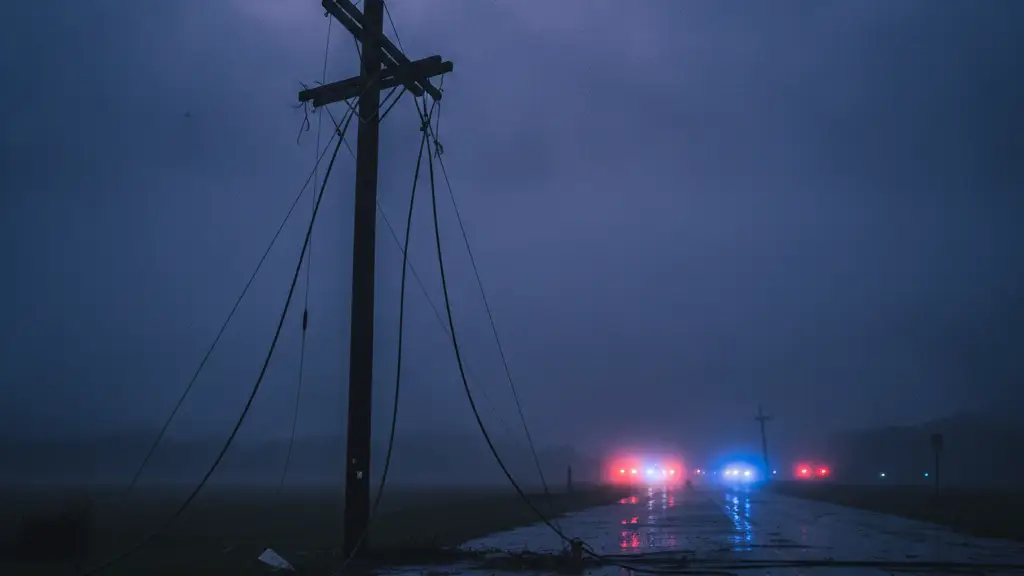
Image: Eddie Pollard / AI

Carla Rooney
A powerful tornado touched down in northeastern Wisconsin, remaining on the ground for over 20 minutes and causing widespread destruction.
The National Weather Service confirmed the tornado traveled approximately 12 miles, its vortex stretching nearly a mile across at its widest point.
Over 15,000 people across Winnebago and Outagamie counties lost power on Tuesday, as this severe weather event crippled essential services.
Homes lay leveled, cars flipped, and power lines and trees toppled across the affected areas; the sheer force of the storm reshaped the landscape.
First responders immediately initiated searches of homes and buildings for possible victims throughout Tuesday, their urgent efforts focused on locating those trapped.
Dozens of people sustained injuries, though authorities have not yet confirmed the exact number of casualties.
One witness, Heather Schroeder, described seeing someone pulled from a destroyed building, appearing in rough shape; the individual's survival status remains unclear.
Despite the extensive damage and reported injuries, authorities confirmed no deaths or missing persons.
Shelters opened for displaced residents, offering immediate refuge, and a boil water advisory was issued for part of Fox Crossing, safeguarding public health.
Governor Tony Evers declared a state of emergency for the affected areas, mobilizing critical resources for recovery efforts.
All storm warnings activated ahead of time, providing residents with advance notice of the impending severe weather, allowing for some mitigation.
The depth of the tornado and its impact is incredible, devastating. We’re really still at the assessment stage.
Gordon Hintz stated, "The depth of the tornado and its impact is incredible, devastating. We’re really still at the assessment stage."
The immediate focus remains on assessing the full extent of the damage, as authorities prioritize ensuring the safety of all residents.
Historically, the Fox Cities region has experienced severe weather, but an EF3 tornado of this magnitude represents a significant escalation; the last comparable event struck in 1996, an F3 tornado causing extensive damage in nearby Fond du Lac County.
This current event now forces a re-evaluation of regional emergency preparedness protocols, with local officials, including those in Appleton's emergency management, scrutinizing response times and resource allocation.
Stakeholders face immense pressure from the public and economic sectors; residents demand swift restoration of power and infrastructure, while businesses grapple with property losses and operational disruptions.
The economic impact extends beyond immediate repairs, affecting local commerce and tourism, with Winnebago County alone facing millions in estimated damages.
Politically, Governor Evers' declaration signals a unified state response, a move aimed at reassuring a shaken populace and coordinating federal aid applications.
Looking to the future, the landscape of disaster response will undoubtedly shift, as increased investment in resilient infrastructure and advanced warning systems becomes paramount.
The societal shift towards climate change awareness also influences future planning; communities like Menasha and Neenah must adapt to potentially more frequent and intense weather phenomena.
This event compels a collective re-assessment of preparedness and resilience across the entire region.