Thameslink Service Tops List of England's Most Overcrowded Trains
Morning rush hour route between Bedford and Three Bridges recorded highest load factor last autumn, DfT figures confirm.
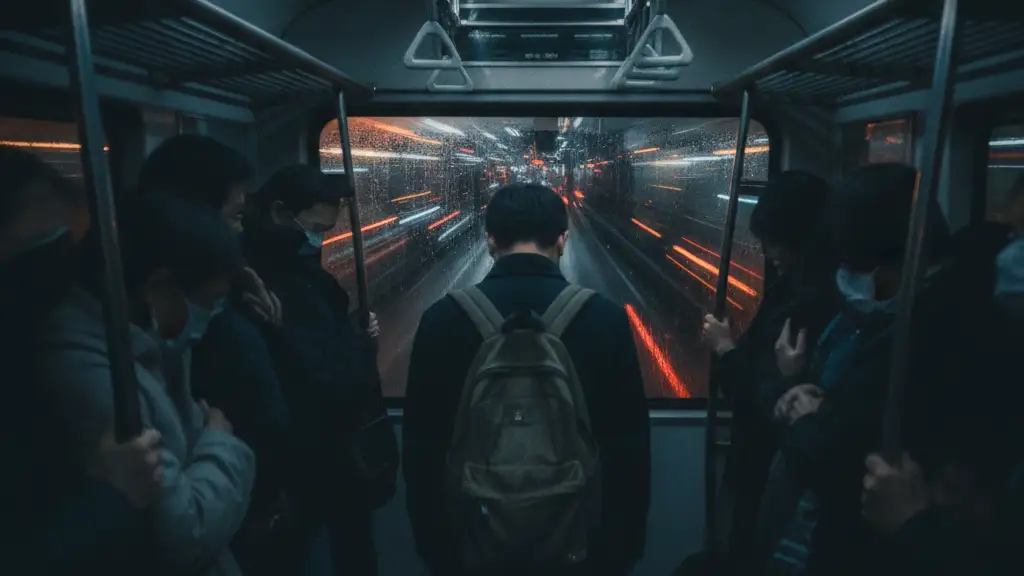
Image: Eddie Pollard / AI

Carla Rooney
A Thameslink morning rush hour service between Bedford and Three Bridges in West Sussex was the most overcrowded train service in England and Wales last autumn.
A 16:00 service from London Paddington to Penzance, operated by Great Western Railway, consistently ranked as the most overcrowded train in the UK.
Following closely, a West Midlands service from London Euston to Crewe, departing at 17:46, ranked as the second most overcrowded.
Peak times are precisely defined: trains arrive into city centers between 7 am and 9:59 am, and services depart between 4 pm and 6:59 pm.
During these critical windows, a quarter of passengers traveling in and out of London endured standing journeys.
This situation contrasts sharply with other major cities, where only 5% of passengers could not secure a seat during similar peak periods.
London's rail network handles an immense volume of commuters, with daily passenger arrivals in the capital reaching 1,256,600.
This figure stands as over 10 times higher than Birmingham, which sees approximately 116,700 daily arrivals.
Despite the significant overcrowding, seating capacity across the network has grown by 4% in the past year.
South Western Railway has boosted its capacity by nearly 30% in the last year, introducing new trains to its fleet.
Nationalized operators also add 76,000 extra seats per week through strategic timetable changes.
These efforts aim to alleviate the persistent issue of overcrowding, particularly on key commuter routes into and out of major urban centers.
The disparity in standing passengers between London and other cities highlights the unique pressures on the capital's transport infrastructure.
The ongoing challenge remains: matching capacity growth with the ever-increasing demand for rail travel, especially during critical peak hours.
This struggle defines the future of urban mobility, directly impacting the daily lives of millions of commuters.