Storm Ingrid Damages Historic Teignmouth Pier, Disrupts Rail Services
Yellow weather warnings persist as severe conditions cause widespread disruption across the Southwest.

Carla Rooney
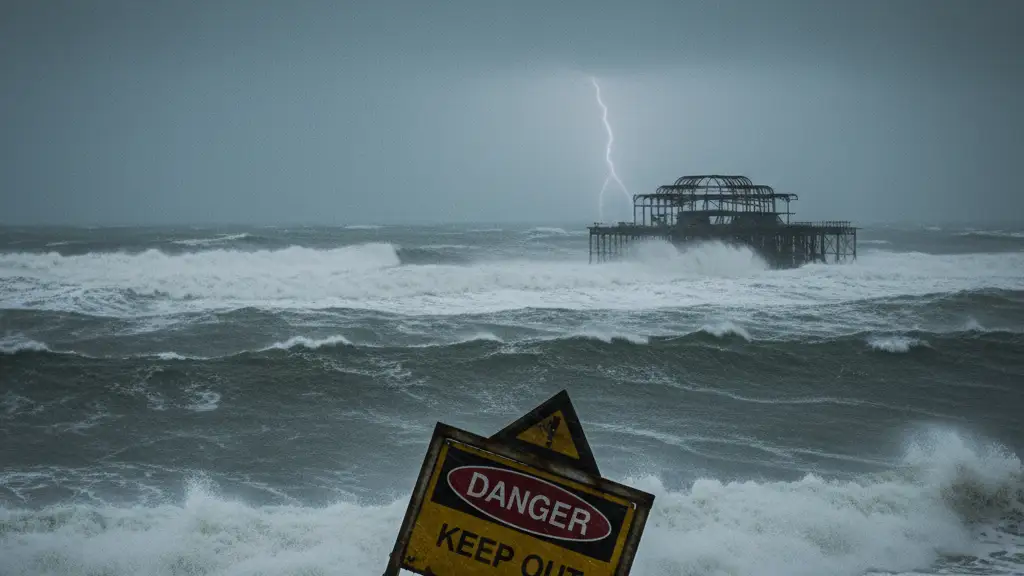
A significant section of the historic Teignmouth Grand Pier has been lost to the destructive forces of Storm Ingrid, prompting further weather alerts for heavy rain and flooding across Devon and Cornwall.
The storm's ferocity forced the complete closure of the vital railway line connecting Exeter St Davids and Plymouth, underscoring the severity of the infrastructure damage. This disruption impacts numerous journeys, requiring lengthy diversions or alternative transport arrangements.
A yellow weather warning remains in effect until 10pm across southwest England, southern Wales, and parts of Scotland and Northern Ireland. Residents in coastal communities must remain vigilant against potential storm surges and further erosion as adverse conditions persist.
Properties in the seaside village of Torcross sustained significant damage, while two vehicles became stranded in deep sand drifts in Exmouth. These stranded vehicles serve as a visible testament to the treacherous driving conditions caused by high winds and sand ingress.
Teignmouth Mayor Councillor Cate Williams acknowledged the pier's precarious state, noting its historical resilience through previous storms and both World Wars. The landmark has served generations of visitors, making its current vulnerability a poignant reminder of nature's power.
The damage is stark, with local resident Peter Large observing that the sea wall has been completely eroded at both extremities of the pier. This critical failure in coastal defense leaves the remaining structure exposed, highlighting the urgent need for repairs and flood defense investment.
This incident echoes the significant coastal erosion at Dawlish in early 2024, which destroyed the railway track and necessitated a new sea defense. The comparison to the 2014 Dawlish disaster is relevant, demonstrating the profound impact of erosion on national transport links and the massive investment required for recovery.
Network Rail engineers are currently assessing the full extent of the damage to the track and surrounding infrastructure. An estimated timeline for repairs remains unannounced as the assessment continues.
The Met Office's continued warnings highlight the ongoing risk of flash flooding, particularly in low-lying areas and regions with saturated ground. The economic impact on local businesses reliant on coastal tourism is a growing concern as the storm's aftermath unfolds.
The resilience of coastal infrastructure against increasingly severe weather events has become a critical issue, prompting urgent discussions about future investment. The pier's current vulnerability, despite surviving a century of history, illustrates rapidly changing environmental conditions.
Damage to properties in Torcross indicates that the storm's impact is not confined to the immediate coastline, with inland areas also experiencing adverse effects. The ongoing yellow weather warning suggests the immediate threat has not subsided.
Further challenges may arise before conditions stabilize across the region. Residents are advised to remain cautious and prepared for potential further disruptions to travel and power.
Related Keywords
StormsWeatherMet OfficeInfrastructureEnvironment AgencyUK NewsTransportationDevonEnvironment