Royal Mail Grapples with West Midlands Delays Amidst Digital Card Rollout
Operational challenges persist in several postcode areas as company introduces QR-coded delivery notifications.
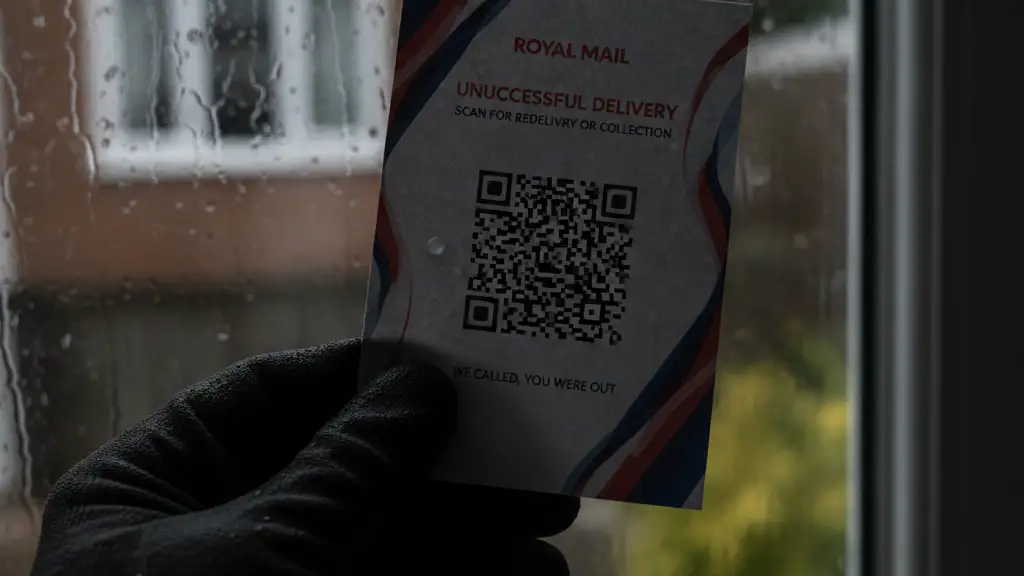
Image: Eddie Pollard / AI

Callum Smith
Mail delivery delays are currently affecting several West Midlands postcode areas, including Dudley, Kingswood, Rugeley, and Wolverhampton, as Royal Mail simultaneously rolls out redesigned delivery cards.
Residents across the West Midlands confront ongoing disruptions to their postal service as of Monday, July 27. Royal Mail confirms that consistent six-day-a-week delivery proves unattainable in a small number of local offices.
High levels of sick absence, critical resourcing shortfalls, and other localised factors drive these service interruptions.
Royal Mail states, "In those cases, we will rotate deliveries to minimise the delay to individual customers." The postal service also provides targeted support to these affected offices.
To address their challenges and restore our service to the high standard our customers would normally receive.
This intervention aims "to address their challenges and restore our service to the high standard our customers would normally receive."
Despite these specific regional challenges, Royal Mail's broader air and road network maintains operational integrity. The national infrastructure has functioned as planned throughout the past 24 hours, contrasting sharply with the West Midlands' plight.
Meanwhile, Royal Mail introduces redesigned delivery cards, streamlining the process for customers to locate parcels or arrange redelivery. These new cards feature an easy-to-scan QR code, providing direct access to item tracking details.
Royal Mail claims this update enhances customer convenience and streamlines the tracking process. The company states, "This updated version includes a QR code that provides direct access to your item's location."
Customers scan the QR code with a mobile phone, instantly viewing tracking details. A link, beginning with RYML.me, appears with the unique nine-digit tracking code pre-filled.
Accessing the item's latest location, safe place photos, or neighbour delivery details requires only the delivery postcode. This system simplifies retrieval for millions.
Royal Mail also notes, "If we've had to take your item back to your local delivery office, you'll be able to see who the items address to, so you can bring the correct ID when collecting."
Alternatively, customers request a redelivery on a suitable date or manually enter the nine-digit code on the Royal Mail app or website. Royal Mail describes the new card as "simpler, faster, and a more secure way to stay in control of your missed deliveries."
This technological advancement arrives as other postcode areas also experience similar delivery delays. These include Abergavenny (NP7, NP8), Barry (CF63), Brecon (LD3), Carmarthen (SA17, SA31, SA32, SA33), Llanrwst (LL24, LL25, LL26, LL27), and Penarth (CF64).
The juxtaposition of ongoing service disruptions with the rollout of new customer-facing technology highlights a complex operational landscape. Royal Mail concludes, "We're sorry for any inconvenience and thank you for your understanding."
Historically, Royal Mail has navigated numerous operational shifts, from the Penny Black in 1840 to the privatisation in 2013, consistently adapting to public demand and technological progress. This current dual challenge of service reliability and digital innovation echoes past periods of significant transformation, including the 1971 postal strike that halted mail for seven weeks.
Stakeholders, including local businesses and vulnerable residents, exert considerable pressure on Royal Mail to restore consistent service.
The public, accustomed to a foundational six-day service, voices frustration over the current inconsistencies, particularly in areas like the West Midlands. Political figures also monitor the situation closely, aware of the essential role postal services play in community infrastructure, with MP John Smith calling for immediate action.
Looking to the future, the postal landscape faces continuous evolution, driven by e-commerce growth and changing consumer expectations.
The integration of advanced tracking capabilities, while addressing immediate customer convenience, also lays groundwork for future logistical efficiencies.
However, the immediate challenge remains resolving the localised staffing and resourcing issues that plague areas like the West Midlands and the five Welsh postcode regions. Sustained service reliability forms the bedrock upon which any technological advancement must stand.
The company's ability to balance these immediate operational hurdles with its long-term digital transformation strategy will define its trajectory in the coming years. This period demands both swift action and forward-thinking vision from the venerable institution.