NatureScot Recommends Halting Sula Sgeir Guga Hunt Amid Conservation Concerns
Centuries-old tradition faces modern scrutiny as bird flu impacts gannet populations and public petition gains momentum.
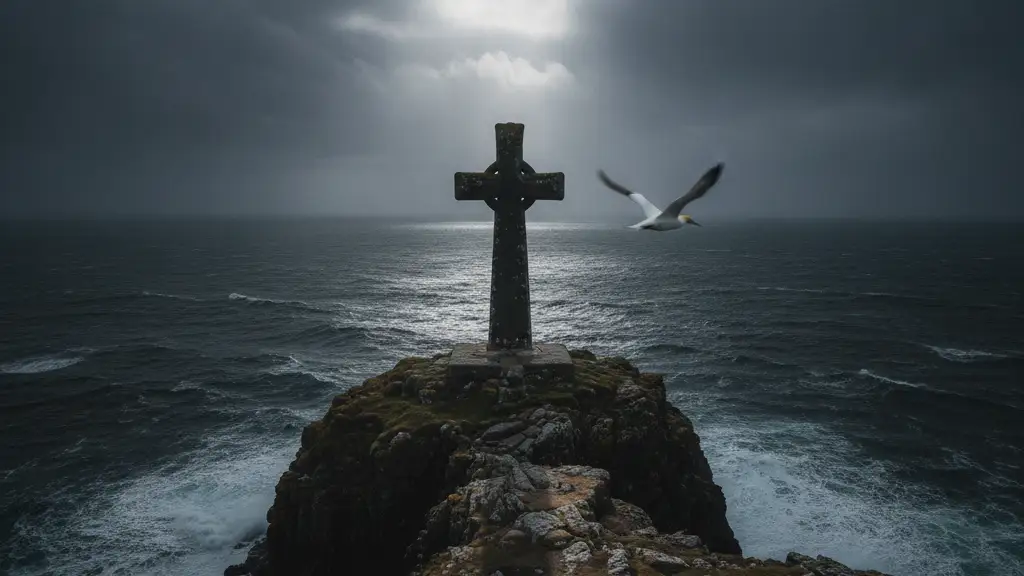
Image: Eddie Pollard / AI

Callum Smith
NatureScot has recommended against granting a licence for this year's guga hunt on Sula Sgeir, a move that could temporarily halt a tradition dating back to the 15th century.
This decision follows a 2025 license that permitted the culling of up to 500 birds; hunters reportedly took 485 young gannets during that year's hunt.
The guga hunt, an annual practice deeply rooted in Ness, north Lewis, involves taking young gannets from the treacherous Sula Sgeir cliffs.
Hunters employ a pole and noose, then gut, salt, and preserve the birds, a method passed down through generations.
Sula Sgeir, an uninhabited island, hosts thousands of breeding gannets, making it a critical site for the species' survival.
This remote outpost is a vital sanctuary, now under intense scrutiny.
Since the licensing of the hunt resumed last summer, OneKind has calmly and clearly made the case for this grisly piece of history to be retired, as no animal should ever have to suffer in the name of human tradition.
Animal welfare organization OneKind has consistently opposed the hunt; spokesperson Jason Rose stated, 'Since the licensing of the hunt resumed last summer, OneKind has calmly and clearly made the case for this grisly piece of history to be retired, as no animal should ever have to suffer in the name of human tradition.'
Rose further emphasized, 'The recommendation to the NatureScot board is clear and shows what is possible when constructive engagement is sought and considered evidence is presented – a way of making progress for animals that has seen OneKind lead the way over many years.'
A public petition demanding an end to the guga hunt has garnered substantial support, with signatures surpassing 100,000 and ultimately reaching a quarter-million.
The Public Petitions Committee currently considers this petition, reflecting escalating public and political pressure on the issue.
Robbie Marsland, another advocate, welcomed NatureScot's recommendation, stating, 'This is great news for the gannets of Sula Sgeir and we welcome NatureScot’s recommendation not to license the hunt this year. But it’s a stay of execution, not a reprieve.'
Marsland highlighted the decision's conservation basis, noting, 'once the population recovers, there’s every likelihood that the killing starts again.'
He asserted, 'This hunt belongs to another century. Understanding of animal welfare has changed and no animal should die like this for food in Scotland in the 21st century.'
OneKind claims NatureScot has not ruled out future guga hunts, underscoring the temporary nature of the current suspension.
The organization also claims the Scottish Government must act, needing to close a legal loophole that permits the hunt's existence.
A Scottish Government spokesperson stated no current plans exist to ban this activity, indicating a potential legislative stalemate.
Devon Docherty, commenting on the petition's milestone, observed, 'The science now clearly matches the public opinion that there’s no place for this hunt in 2026.'
Docherty added, 'We are so relieved that 2,000 young gannets will now get to spread their wings and fly instead of being beaten to death for an archaic tradition.'
Marsland reiterated calls for the Scottish Government to close the loophole, which allows up to 2,000 young birds on the tiny island to be killed annually.
The ongoing debate pits a centuries-old cultural practice against contemporary animal welfare standards and urgent conservation needs, leaving the guga hunt's future uncertain beyond 2026.