Conservationists Breed 300 Near-Extinct Madeiran Land Snails
A critical effort to save four species from the brink of extinction highlights the fragility of global biodiversity.
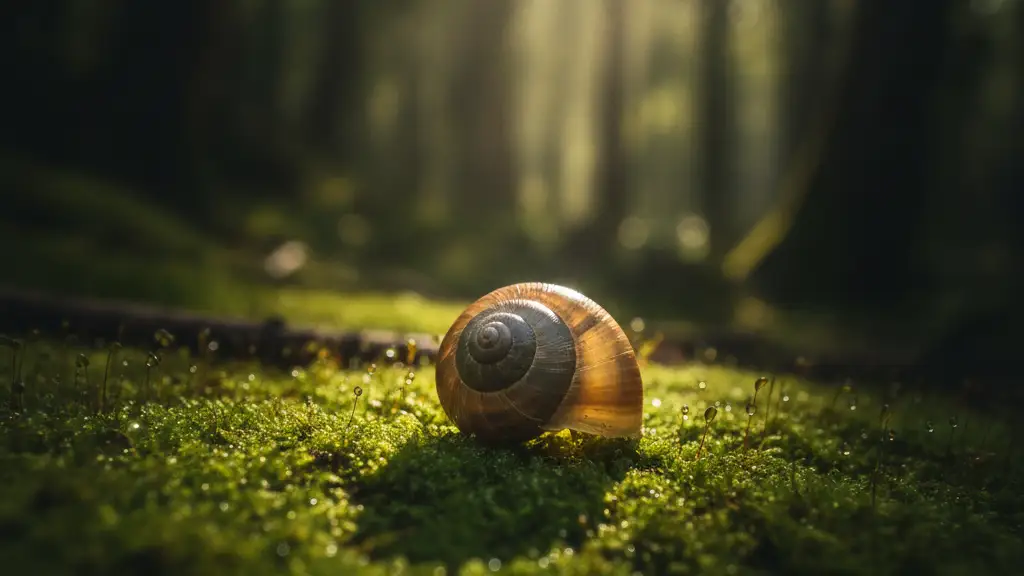
Image: Eddie Pollard / AI

Callum Smith
Conservationists have successfully bred 300 near-extinct Madeiran land snails, a pivotal step in preventing their disappearance.
Tamas Papp, a leading conservationist, underscored the mission's urgency: "We knew we had one shot to save them."
If we missed this chance, that was it: they were gone.
Papp further emphasized the task's finality, stating, "If we missed this chance, that was it: they were gone."
These snails, measuring no bigger than 8mm, represent a significant conservation challenge due to their diminutive size and specific habitat requirements.
The entire world population of one species could have been contained within a single petri dish, illustrating the extreme vulnerability faced by these invertebrates.
Chester Zoo maintains breeding populations of four specific species: Atlantica calathoides, Geomitra grabhami, Geomitra coronula, and Discula lyelliana.
This ongoing commitment by institutions like Chester Zoo proves crucial for the long-term survival and potential reintroduction of these critically endangered Madeiran land snails.
The successful breeding of 300 individuals provides a vital buffer against extinction.
Yet, the inherent fragility of these species remains; the global biodiversity crisis continues to accelerate.
Such focused conservation efforts become essential in an era where numerous species face unprecedented threats.
These threats often require immediate and intensive human intervention to ensure survival.
The dedication to these tiny snails reflects a wider understanding within the scientific community.
Every species, regardless of size, plays a role in ecological balance.
The breeding programme represents a high-stakes intervention.
Experts acknowledge the immense pressure involved in safeguarding these minute creatures.