Mojtaba Khamenei Ascends to Supreme Leadership Amid Regional Conflict
The Assembly of Experts selects the son of the former leader as Israel and the United States issue direct threats against the new administration.
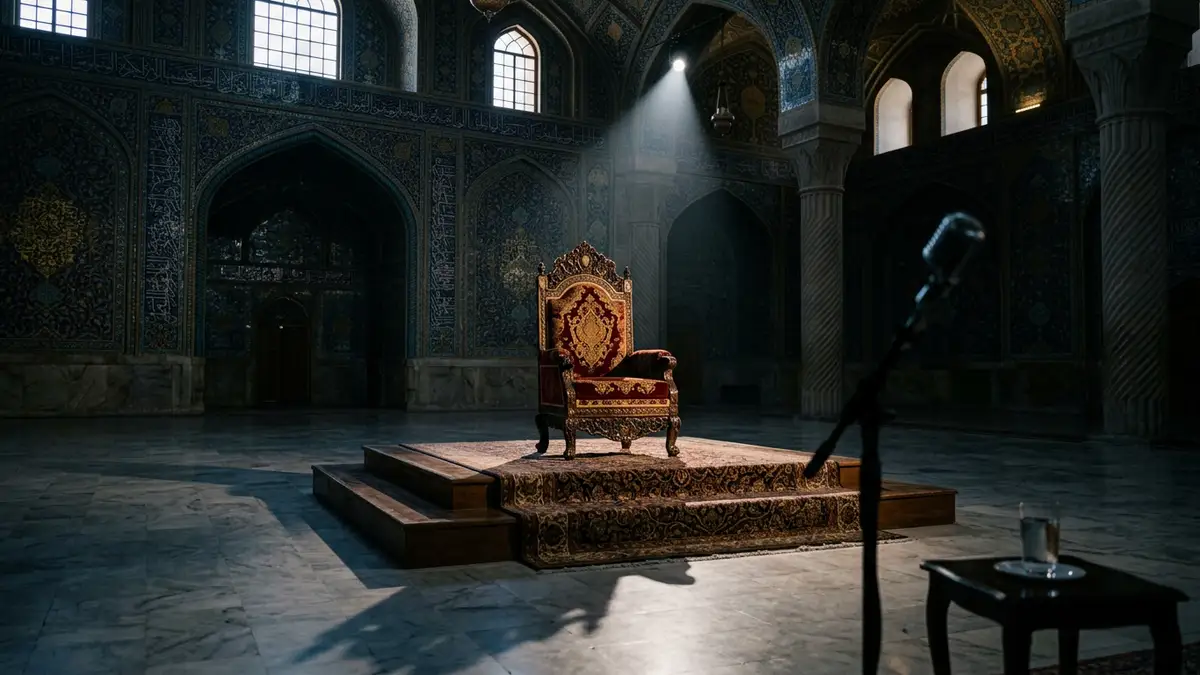
Image: Matt Weston / AI
Carla Rooney
Mojtaba Khamenei has assumed the role of Iranian Supreme Leader following a lethal Israeli strike on his family, triggering immediate threats of assassination from Jerusalem and demands for submission from Washington.
The Assembly of Experts formalised the selection under direct and sustained pressure from the Revolutionary Guards. This strategic move follows years of Mojtaba Khamenei serving as his father's principal gatekeeper and architect of an independent power base within the state security apparatus.
U.S. President Donald Trump responded to the succession with an immediate and blunt ultimatum regarding the new leader's legitimacy. 'He’s going to have to get approval from us,' Trump stated, warning that without such recognition, the new leader 'is not going to last long.'
He’s going to have to get approval from us.
Israeli Defense Minister Israel Katz designated Mojtaba Khamenei as a target for military action. This declaration aligns with coordinated statements from Washington and Jerusalem identifying the successor as a target for assassination.
The new Supreme Leader currently operates under heavy U.S. sanctions while managing a global empire of property holdings. These assets include significant real estate portfolios located in London, reflecting a vast financial reach despite international isolation.
Maryam Rajavi, president of the National Council of Resistance of Iran, characterised the appointment as the final transformation of clerical rule into a hereditary monarchy. She stated the regime crowned the son to preserve its grip on power amidst mounting internal instability.
Rajavi identified Mojtaba Khamenei as a central figure in the regime’s machinery of repression for several decades. She detailed his role in orchestrating the export of fundamentalism and the systematic plundering of national wealth to fund state security goals.
Historical records from the 1980s provide context to his rise, indicating the new leader sustained physical injuries during the Iran-Iraq war. Iranian state television confirmed he was wounded during the Ramadan war period, a detail used to bolster his revolutionary credentials.
U.S. diplomatic records detailed Mojtaba Khamenei’s frequent medical trips to London for specialised care. He visited Wellington and Cromwell Hospitals four times for treatment before his wife became pregnant.
The new leader is fluent in English and has completed formal psychology courses alongside his religious training. He maintains specific expertise in military sciences, security affairs, and modern technologies, marking a shift toward a technocratic style of leadership.
Abdolreza Davari, a politician close to the Khamenei family, described the new leader as progressive in his outlook. Davari stated the new administration would move to sideline hardliners within the Iranian political structure to consolidate control.
The regime crowned the son to preserve its grip on power amidst mounting internal instability.
Other observers indicate the leader seeks retribution following the deaths of his family members. If he does not achieve revenge against the U.S., he may direct his focus toward the domestic population to suppress dissent.
This transition occurs as the Iranian economy remains under heavy strain from international sanctions and internal mismanagement. Rajavi stated the regime’s policies have imposed harsh exploitation on millions of Iranians, particularly women, who face systemic economic barriers.
Diplomatic records show Mojtaba Khamenei monitored his own father's communications. He utilised this access to manage the flow of information to the highest levels of the Iranian government, acting as the ultimate filter.
The new leader's standing among hard-liners rose significantly after the deaths of his relatives in the US-Israeli strike. These supporters view the family members as martyrs, providing Mojtaba with a narrative of shared sacrifice in the ongoing conflict.
While the Assembly of Experts remains the formal body responsible for the selection, the Revolutionary Guards engineered the process. This shift marks a departure from the non-hereditary principles established during the 1979 revolution by Ayatollah Khomeini.
Rajavi stated that the Iranian public would not back down despite the change in leadership or the threat of increased repression. She maintained that the country’s future would be decided by its citizens rather than the clerical elite in Tehran.