Missile Strike Levels Iranian School Near Revolutionary Guard Base
Casualty counts climb to 1,230 as investigators examine evidence of U.S. munitions in the Minab explosion
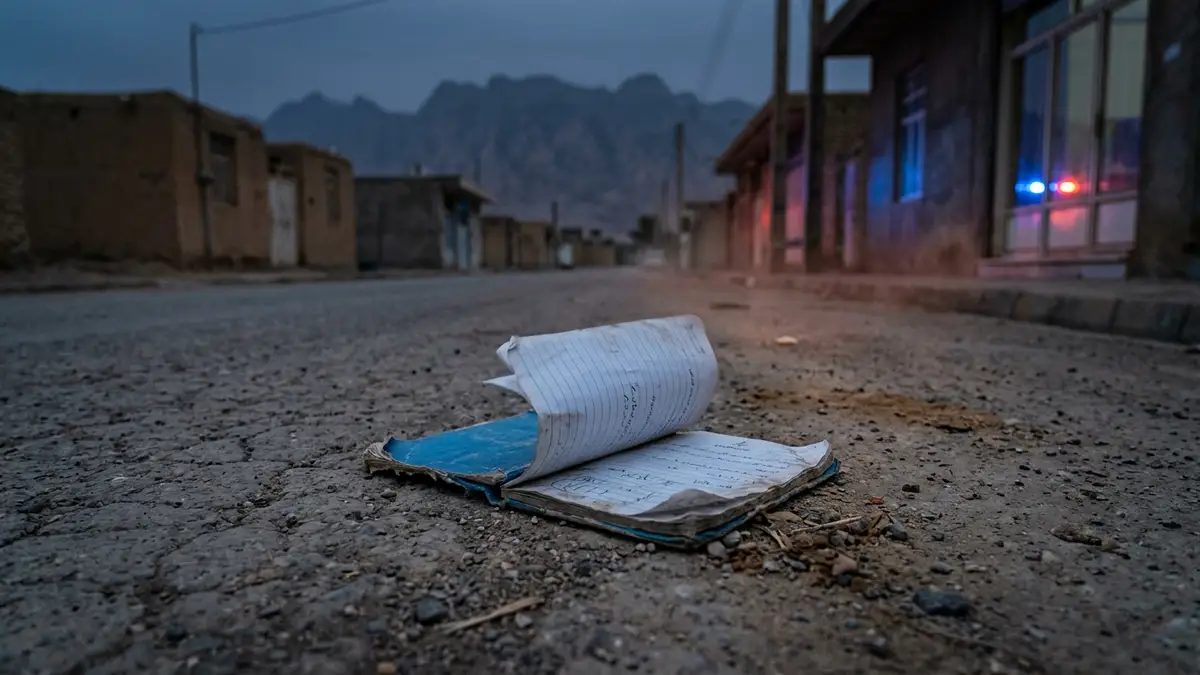
Image: Matt Weston / AI

Carla Rooney
A missile strike on Feb. 28 demolished approximately half of a girls' elementary school in Minab, Iran, killing scores of children and staff.
U.S. and Israeli forces launched coordinated attacks across Iran on February 28. These operations pulled neighbouring Gulf states and Lebanon into the direct line of fire.
President Donald Trump stated, 'Iran was responsible for the explosion.' He repeated this assertion in multiple briefings, insisting, 'That was done by Iran.'
The only side that targets civilians is Iran.
U.S. Defense Secretary Pete Hegseth supported this stance during public addresses. He stated, 'The only side that targets civilians is Iran.'
Hegseth confirmed the United States probes the specific mechanics of the incident. Internal assessments from U.S. officials indicate American forces launched the strike that killed the children.
One U.S. official confirmed the strike was a U.S. operation. Investigators suggest the school was not the intended target of the mission.
An Israeli government source stated Israel was not behind the attack. The source noted its military was not operating near the school at the time of the blast.
Video evidence released by Bellingcat contradicts the White House claim that Iran was responsible for the explosion. This visual data emerged as the strike occurred during a period of intense historical friction.
This violence echoes decades of cross-border volatility between Tehran and Washington. The conflict shifted as the strike moved from military infrastructure to a civilian educational centre.
Economic stakeholders in the Gulf region monitor the escalation with precision. Military movements disrupt established trade corridors and shipping lanes.
Political pressure mounts on the Pentagon to release the flight data from the Feb. 28 sorties. Officials demand the immediate release of munitions signatures found at the site.
Future diplomatic efforts face a narrowed path as casualties mount. The death toll of 1,230 creates a new, violent baseline for regional hostilities.
That was done by Iran.
Secretary of War Pete Hegseth maintained that the U.S. investigation remains active. He reiterated his claim that Iran targets civilians despite the emerging internal data.
The destruction in Minab marks the use of force within civilian sectors. Rescue workers sift through the debris of the elementary school for remains.
Regional analysts suggest the proximity of the Revolutionary Guard base made the school a high-risk zone. The precision of the munitions used remains a primary focus for international observers.
The United States military has not released the specific coordinates of its Feb. 28 targets. This lack of data fuels the ongoing dispute over the origin of the missile.
The Minab facility stands as a marker of the collateral costs of the current air campaign. Diplomatic channels remain silent as both sides reinforce their military positions.
Forensic teams analyze the wreckage as the investigation into the Minab explosion continues. The outcome dictates the trajectory of U.S.-Iran relations for the foreseeable future.