Major Wildfire Declared at Dunwich Heath, Suffolk
Emergency services deploy 70 firefighters to nature reserve as public advised to avoid area.
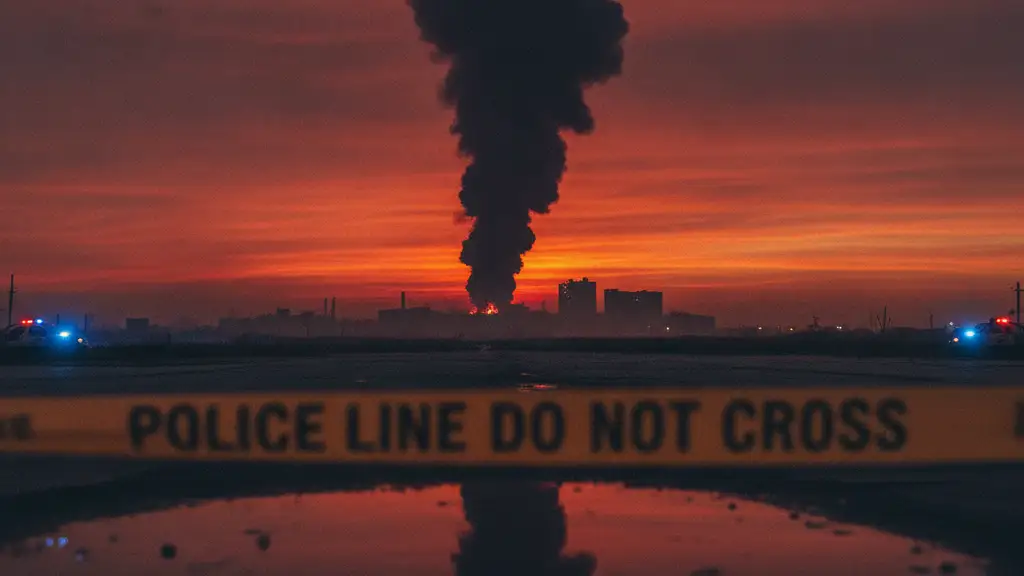
Image: Eddie Pollard / AI

Callum Smith
A major incident has been declared following a large wildfire at Dunwich Heath in Suffolk, prompting a significant emergency response.
Authorities advise the public to avoid the area as crews continue their efforts to bring the fire under control; Suffolk County Council confirms the fire service dispatched 14 fire engines along with specialist equipment to the site.
This incident recalls the historical vulnerability of such vital ecosystems. Dunwich Heath, a crucial nature reserve, has operated under the management of the National Trust since 1968.
The heath sits approximately 30 miles north-east of Ipswich, positioning the incident within a key coastal region of Suffolk; this geographical context amplifies concerns for both local communities and the broader ecological landscape.
The immediate stakeholders, including local residents and environmental groups, face direct impacts. Public pressure mounts for swift containment and a clear strategy for future prevention, especially given the reserve's protected status.
Looking ahead, this event forces a critical re-evaluation of fire prevention protocols within nature reserves. Climate change models predict increased frequency and intensity of such blazes, demanding proactive adaptation.
The National Trust, as custodians since 1968, faces scrutiny regarding existing land management practices; their long-term stewardship of Dunwich Heath, a site of immense biodiversity, now enters a period of intense review.
The deployment of 14 fire engines and specialist equipment highlights the scale of the challenge. This resource allocation reflects the severity of the blaze and the commitment to its suppression.
The fire's impact extends beyond immediate destruction, threatening delicate habitats and rare species; Dunwich Heath supports a unique array of flora and fauna, making its preservation paramount.
The incident highlights the constant threat posed by wildfires to natural landscapes. It demands robust, collaborative strategies involving local councils, emergency services, and conservation bodies.
The future landscape of conservation in Suffolk, and indeed across the UK, will undoubtedly incorporate lessons learned from this event; enhanced monitoring and community engagement will likely become standard practice.
Political stakeholders, from local councillors to national environmental agencies, now face questions regarding funding and policy. The protection of sites like Dunwich Heath requires sustained investment and clear legislative frameworks.
The public's role in prevention also comes into sharper focus; adherence to fire safety guidelines, particularly in dry conditions, becomes critical in safeguarding these irreplaceable natural assets.
The sheer number of personnel, approximately 70 firefighters, demonstrates the intensity of the effort. Their coordinated actions aim to prevent further spread and mitigate ecological damage.
The historical context of Dunwich Heath, a landscape shaped by centuries of natural processes and human interaction, adds another layer of complexity. Its resilience will be tested in the aftermath of this destructive event.
The immediate focus remains on containment, but the long-term recovery of the heath presents a formidable challenge; restoration efforts will demand significant resources and expert ecological intervention.
Ultimately, the Dunwich Heath fire demands a unified response, both immediate and enduring, from history, stakeholder pressures, and future environmental landscapes.
This incident casts a long shadow, recalling the historical vulnerability of such vital ecosystems. Dunwich Heath, a crucial nature reserve, has operated under the management of the National Trust since 1968.