Wildfire Threat Escalates in London Amidst Soaring Temperatures
Romford blaze highlights 'exceptionally high' risk across capital as heatwave persists.
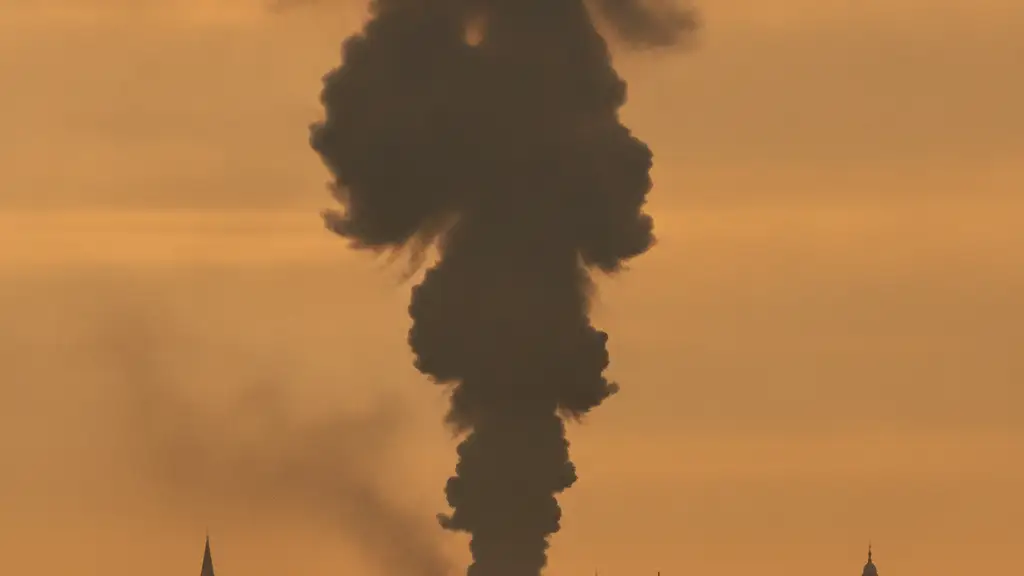
Image: Eddie Pollard / AI

Callum Smith
Around 60 firefighters are currently battling a significant grass fire in east London, as the capital faces an "exceptionally high" wildfire threat.
Crews from Leytonstone, Wennington, Homerton, and Bethnal Green mobilized, confronting an escalating inferno that demanded immediate action. By 5:45 PM, firefighters remained on scene, actively working to bring the situation under control.
The London Fire Brigade confirmed the cause of the fire remains undetermined. This incident unfolds as London temperatures surged past 34C, creating volatile conditions ripe for rapid fire spread.
For Wednesday, the wildfire severity rating escalated to 'exceptionally high' across several parts of the capital. Bromley, Croydon, Dartford, Erith, and Thamesmead all registered this heightened risk.
The UK Health Security Agency issued an amber heat-health alert for London, the South East, the East Midlands, and East of England. This alert remains in effect from Tuesday through Thursday.
This escalating threat draws direct comparisons to previous severe wildfire events, raising significant concerns among public officials. Sir Sadiq Khan stated the threat of French-style wildfires was now 'on our doorstep.'
This declaration indicates a broader, more alarming context for the current incident, moving beyond isolated events to a systemic challenge. The confluence of extreme heat and parched conditions creates a volatile landscape, demanding immediate and sustained attention from all levels of government.
Emergency services and urban planners alike now face this critical challenge, a test of their resilience and adaptability. The ongoing response in Romford serves as a stark, immediate example of the challenges posed by these environmental shifts.
Beyond the immediate crisis, stakeholders across London now confront the tangible implications of climate change. Public safety stands at the forefront of their concerns, driving urgent discussions and policy shifts.
The incident highlights the critical need for robust emergency protocols and public awareness campaigns. These measures aim to protect lives and infrastructure, preparing the city for an increasingly volatile future.
The long-term implications for urban planning and environmental management in London are significant, demanding a fundamental rethinking of how the city operates. The city must adapt to increasingly frequent extreme weather events.