Lost Doctor Who Episodes Recovered for Easter Release
Archivists recover rare William Hartnell footage from The Daleks’ Master Plan after five decades of absence from the public record.
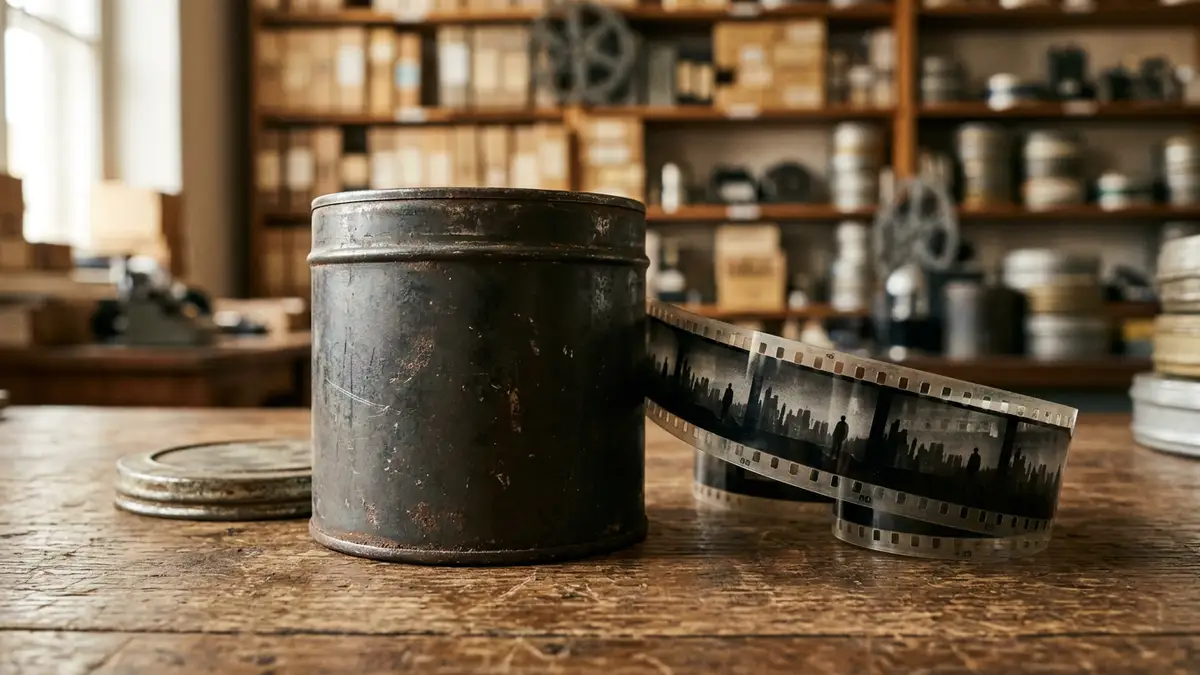
Image: Matt Weston / AI

Callum Smith
Two long-lost episodes of the 1960s science fiction classic Doctor Who have been unearthed from a private collection and are set for a public restoration this spring.
The serial originally aired between October 1965 and January 1966. It stands as one of the longest and most complex narratives of the Hartnell era.
This arc introduced high-stakes plot developments and the first major appearances of several recurring characters. These figures would eventually define the entire franchise.
Despite this narrative scale, the serial failed to achieve international distribution during the 1960s. Censors in Australia and New Zealand blocked the footage entirely.
Official classifications labeled the content too violent for domestic broadcasts. This rejection halted the flow of the Doctor's journey across the globe.
The lack of overseas sales directly triggered the scarcity of the film. Without international demand, the BBC saw no reason to justify the cost of duplicate prints.
The original physical reels remained in a vulnerable state within the United Kingdom. They sat in storage while the corporation's policies shifted toward erasure.
During the 1960s and 1970s, the BBC routinely purged its archives to reclaim physical space. Economic factors drove this systematic destruction of television history.
They viewed the past as a resource to be overwritten.
The corporation sought to reuse expensive videotape for new programming. They viewed the past as a resource to be overwritten.
Incinerators claimed film prints and technicians wiped tapes once broadcast rights expired. This standard industry practice prioritized immediate utility over long-term preservation.
This policy carved a significant gap into the public record. It left 134 episodes classified as missing from the official archives.
The recovery of these two reels reduces that total and provides a direct look at 1960s production standards. They offer a window into the mechanics of early British science fiction.
Only a fraction of the lost material has returned since the global effort to reconstruct the first six seasons began. Every frame recovered is a victory against the furnace.
Justin Smith confirmed that the private collector who held the films understood the historical weight of the material. The collector protected these reels as vital parts of the Doctor Who canon.
Every frame recovered is a victory against the furnace.
The specific chain of custody regarding the collector's acquisition remains unknown. Smith noted that while the segments are identified, the timeline of their journey is lost.
The physical film recently underwent a rigorous verification process. Technicians inspected the integrity of the magnetic tracks and visual frames under high-intensity lamps.
Crews are currently preparing the media for digital transmission. They must meet a strict Easter deadline for the public relaunch.
The upcoming release marks the first time these segments will be viewable by the public in over five decades. BBC iPlayer will host the restored footage within its digital archive.
Film is Fabulous! continues to scour private collections for additional missing television artifacts. The organization targets 16mm and 35mm prints that survived industrial disposal.
Fans and historians track these discoveries as part of a global initiative to preserve cultural heritage. Each recovered frame reveals the technical constraints and creative solutions of a bygone era.
The restoration of The Daleks’ Master Plan allows modern audiences to evaluate the serial's reputation for intensity. The censorship that once blocked its spread now serves as a historical marker.
The BBC's digital strategy ensures these assets will not face the same risks as their physical predecessors. Digital preservation now safeguards the legacy of the First Doctor.
As technicians finalize the restoration, the focus shifts to the remaining missing episodes. The search continues across global archives and private estates for the show's foundational remnants.