London Grants Licences for Self-Driving Robotaxis
Wayve's AI-powered Ford Mustang Mach-E vehicles to launch with human drivers, marking London as first global market.

Sarah Connor
Self-driving robotaxis have secured operating licences in London.
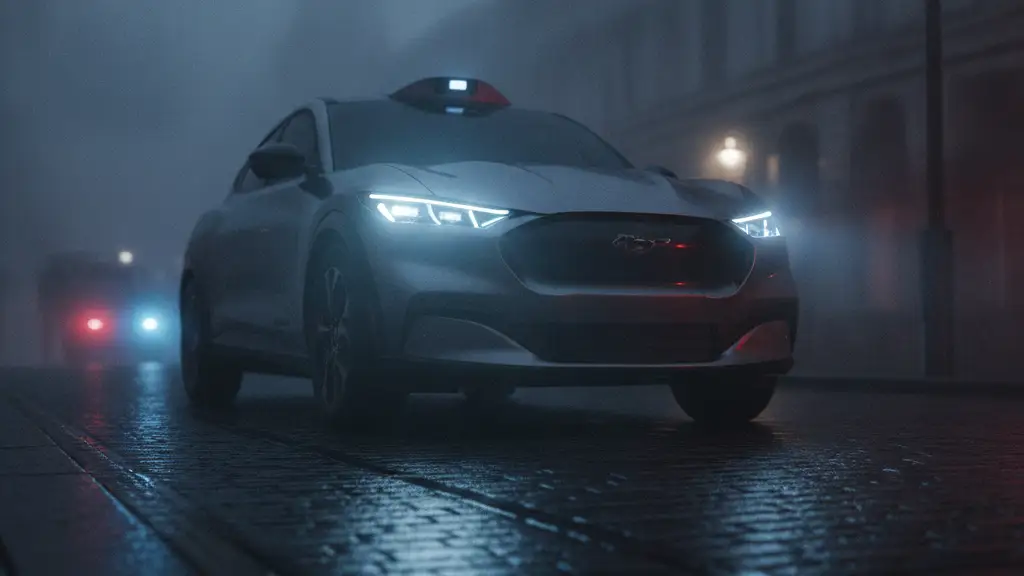
A human driver will remain present in the autonomous pure electric Ford Mustang Mach-E vehicles during initial operations. Wayve's Ford Mustang Mach-E models have been upgraded with six cameras to work with autonomous systems.
Over 100,000 individuals have already expressed interest in experiencing robotaxis. Some will receive rides later this summer ahead of a full public launch, Uber confirmed.
This licence is a key milestone in bringing autonomous rides to London on Uber.
Annie Duvnjak stated, "This licence is a key milestone in bringing autonomous rides to London on Uber." Sarah Gates added, "This licence is an important step towards giving Londoners the chance to experience autonomous driving technology."
TfL confirmed the vehicles met required safety standards. A spokesperson stated that safety is its "top priority" and any new vehicle licensed must align with its target of eliminating all deaths and serious injuries on London's roads by 2041.
The spokesperson further confirmed that Wayve’s modifications to the Mustang Mach-E do not compromise passenger safety. Passengers will be charged the same fare as standard minicabs for these services.
This licence is an important step towards giving Londoners the chance to experience autonomous driving technology.
Wayve also collaborates with Nissan and Stellantis, integrating its systems into private vehicles and expanding its reach beyond ride-hailing services. The self-driving vehicle industry could reach a valuation of £42 billion by 2035, potentially generating billions of pounds for the economy.
Matthew Wright claims thousands of private hire drivers across the capital could be affected by the introduction of these robotaxis. Uber and Wayve will require separate approval from the Driver and Vehicle Standards Agency (DVSA) to operate the cars without a human driver, once the technology's safety has been demonstrated.