July Gardening: Precision Pruning, Strategic Feeding, and Peak Harvests Drive Summer Success
Gardeners navigate critical mid-summer tasks, balancing growth and yield with historical techniques and modern challenges.
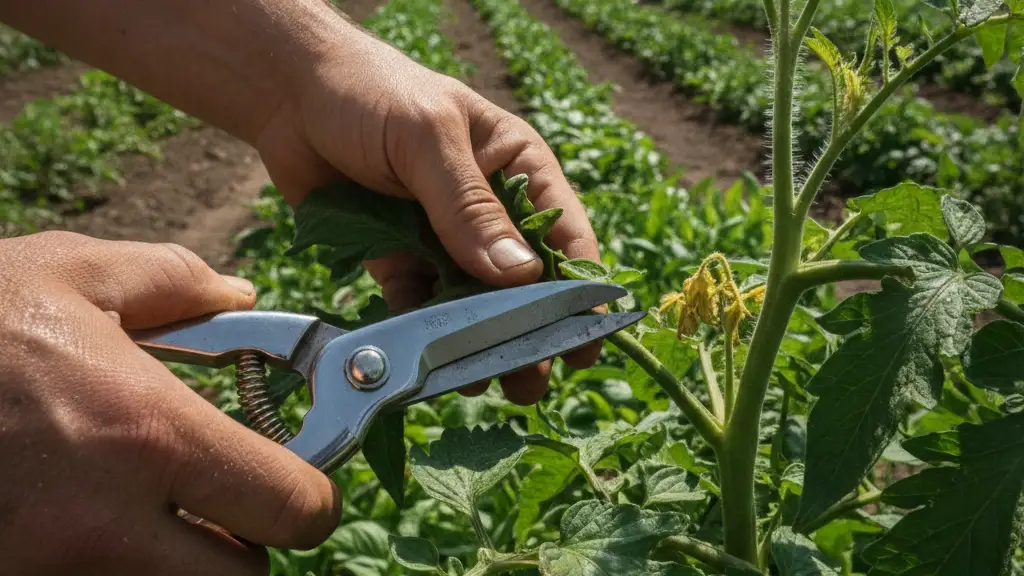
Image: Matt Weston / AI

Callum Smith
July demands focused attention from gardeners, marking a pivotal period for pruning, targeted feeding, and the crucial harvesting of summer fruits.
This month presents an optimal window for pruning fruit trees, a precise practice actively preventing excessive regrowth and directing the plant's energy.
Early-flowering perennials, including oriental poppies, delphiniums, and hardy geraniums, also require a July cutback; this process stimulates new growth and prolongs their display.
The historical practice of summer pruning extends back centuries; records from 17th-century European orchards detail similar methods managing tree vigor and fruit production.
This enduring tradition reflects centuries of observation regarding plant physiology and the intricate cycles of the seasons.
Gardeners must remove all of this year's growth back to a couple of pairs of leaves, typically two to four inches, unless training a specific new shoot.
Monty Don advises caution during this pruning process; gardeners must specifically avoid removing any ripening fruits already developing.
Gardeners must specifically avoid removing any ripening fruits already developing.
Beyond pruning, raspberries reach their peak ripeness in July, making the month ideal for harvesting these delicate berries.
Economically, the precise timing of fruit harvests, particularly for berries like raspberries, directly impacts local market availability and pricing for consumers.
Small-scale growers and large agricultural operations alike rely on this critical timing to maximize yields and profitability; July represents a crucial window for soft fruits.
Meanwhile, gardeners must continue tending to plants in containers with the same diligence applied to those planted directly in the soil.
Don states most container-grown plants deplete their original compost's nutrients as they grow; gardeners observe this depletion and provide regular supplementary feeding throughout the summer months.
A weekly feed, high in potash, actively promotes root and flower formation without encouraging over-lush foliage, according to Don.
An excess of nutrients proves as damaging as a deficiency, leading to rapid, lush growth often at the expense of flowers or fruit production. This rapid, unchecked growth also attracts additional fungal and predatory problems, creating further challenges for plant health.
However, Don warns that an excess of nutrients proves as damaging as a deficiency, leading to rapid, lush growth often at the expense of flowers or fruit production.
This rapid, unchecked growth also attracts additional fungal and predatory problems, Don claims, creating further challenges for plant health.
The landscape of home gardening has shifted significantly, with a growing emphasis on container gardening, particularly prevalent in urban environments.
This trend creates unique nutrient challenges for container plants compared to their in-ground counterparts, demanding specific feeding regimens.
Future horticultural practices will likely integrate more precise nutrient delivery systems, building on the principles of balanced feeding advocated by experts like Don.
These advancements aim to optimize plant health and productivity across diverse growing conditions, ranging from small urban balconies to expansive traditional gardens.