Global Seas Hit Record Highs as Europe Battles Extreme Heat and Drought
Widespread dryness intensifies across Western Europe, impacting water supplies and power generation amidst the third-hottest year on record.

Sarah Connor
The world's seas reached record high temperatures for July, intensifying extreme weather events across Europe.
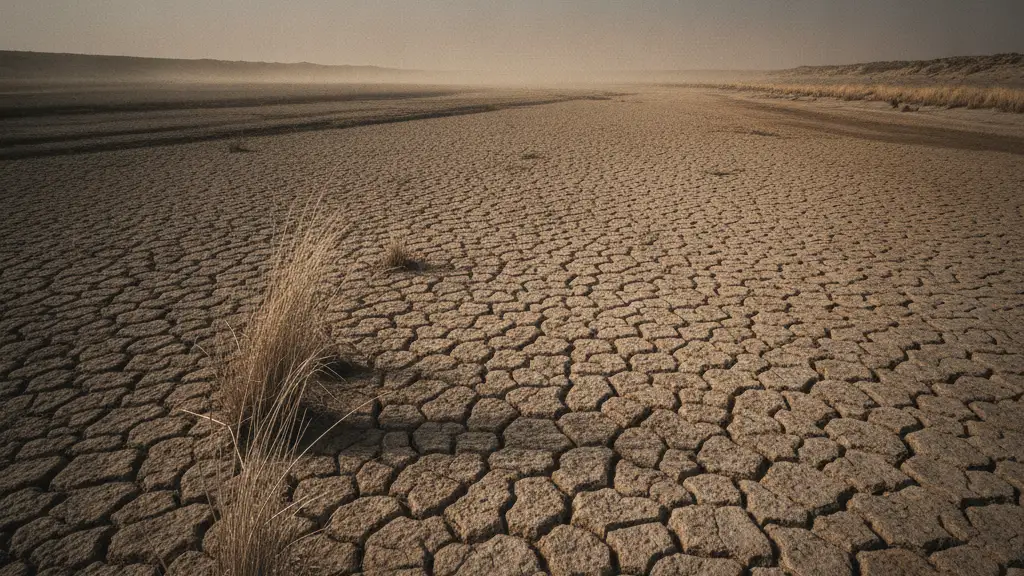
Severe drought has driven down river flows in Europe's parched regions, directly impacting water supply, irrigation, and the operational capacity of power plants.
Two coal-fired power plants in Poland and Hungary's sole nuclear power plant were forced to shut down due to insufficient cooling water.
Across the EU, approximately half a million hectares have burned since the start of the year.
Hot, dry, and windy conditions established new records for wildfire severity. Laurence Rouil stated, "Climate change is increasingly bringing the kinds of hot and dry conditions that favour large, high–intensity wildfires in southern Europe while extending the fire season northwards."
England and Wales recorded their driest July in 190 years; half of England and Wales now face drought conditions, with more regions expected to follow.
In France and Spain, over 300,000 people fled their homes.
The extreme heat has led to 25,000 related deaths across Spain, France, the UK, the Netherlands, and Switzerland. The end of June heatwave alone is expected to have resulted in more than 10,000 deaths, Copernicus claims.
Globally, 2026 stands as the third-hottest year on record; the world is now about 1.4C warmer on average than it was in the late 19th Century.
Oceans absorb most of the excess heat generated by greenhouse gas emissions, producing half of Earth's oxygen.
Samantha Burgess stated, "This is a clear example of how climate change is intensifying heat extremes, with heat and drought increasingly reinforcing one another."
This is a clear example of how climate change is intensifying heat extremes, with heat and drought increasingly reinforcing one another.
The El Niño Southern Oscillation, a natural weather cycle, alternates between hot (El Niño) and cold (La Niña) phases every two to seven years.
El Niño, a natural weather pattern in the Pacific, when combined with human-driven global warming, can cause temperature spikes and more extreme weather, the Copernicus Climate Change Service claims.
Early estimates suggest the June heat cost grain farmers €2bn in lost crops; the mega-drought of 2015-18 cost Europe €439bn.