easyJet Flight Diverted to Newcastle Due to Medical Emergency
Passenger incident forces Manchester-Copenhagen flight off course; Turkish Airlines also experiences unscheduled landing.
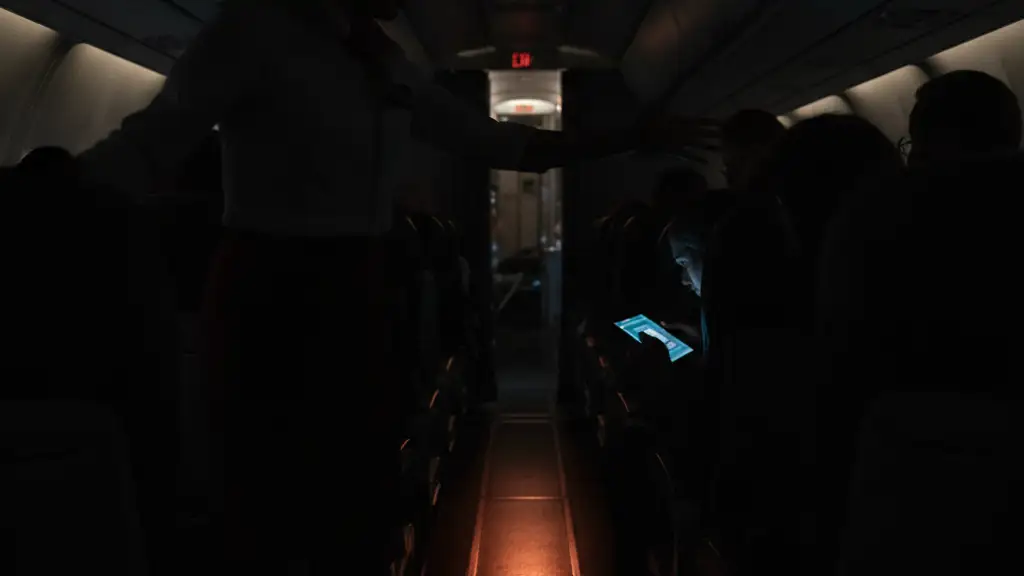
Image: Eddie Pollard / AI

Carla Rooney
An easyJet flight en route from Manchester to Copenhagen was diverted to Newcastle yesterday after a passenger required urgent medical attention.
Emergency services swarmed Newcastle Airport, awaiting easyJet flight EZY2237, diverted from its Manchester-to-Copenhagen route due to a passenger's urgent medical crisis.
An easyJet spokesperson confirmed the diversion, stating, "Flight EZY2237 from Manchester to Copenhagen yesterday diverted to Newcastle, due to a customer onboard requiring urgent medical attention."
Medical personnel met the customer immediately upon arrival in Newcastle. The flight then swiftly resumed its journey to Copenhagen.
The safety and wellbeing of our customers and crew is always easyJet's highest priority.
The easyJet spokesperson reiterated the airline's unwavering commitment, asserting, "The safety and wellbeing of our customers and crew is always easyJet's highest priority."
Such diversions, while disruptive, unequivocally prioritize passenger health over strict schedule adherence. This remains a non-negotiable standard in commercial aviation.
This incident directly echoes the 2008 British Airways Flight 286 diversion to Shannon, Ireland, after a passenger suffered a stroke. Immediate medical intervention and prepared ground services were critical.
Meanwhile, a separate incident unfolded as a Turkish Airlines flight, en route from Istanbul to Toronto, executed an unscheduled landing at Manchester Airport on June 10, 2024.
Initial reports attributed this landing to a technical issue involving the Airbus A320, an aircraft typically configured to accommodate up to 180 passengers.
The Turkish Airlines flight eventually departed Manchester after 8 PM, a delay from its scheduled 6:50 PM departure. This directly impacted passenger itineraries.
These two distinct events highlight the varied operational challenges confronting the aviation industry. They range from critical medical emergencies to complex mechanical malfunctions, each demanding swift and decisive action.
The immediate response to the easyJet diversion, involving emergency services, demonstrates established protocols for passenger welfare. Conversely, the reported technical issue with the Turkish Airlines flight points to the inherent mechanical complexities of modern air travel.
Both incidents, though differing in their root causes, necessitated swift operational adjustments. They directly impacted passenger journeys and created ripple effects across flight timetables.
The easyJet flight's continuation to Copenhagen after the medical intervention showcased the efficiency of the diversion process. This minimized further disruption for the remaining passengers.
The reported delay of the Turkish Airlines flight, departing over an hour later than scheduled, illustrates the ripple effects of technical issues on flight timetables. Such delays often trigger a cascade of further disruptions across an airline's network.
Stakeholders across the aviation sector—airlines, air traffic control, and airport authorities—face constant pressure to balance safety with logistical demands. Public confidence in air travel hinges on the consistent application of these rigorous safety standards.
The economic implications of such diversions and delays are substantial. A single diversion can cost an airline tens of thousands of pounds in fuel, landing fees, and passenger compensation, directly impacting quarterly earnings.
Looking ahead, the aviation landscape continues to evolve with increasing air traffic and more complex aircraft systems. The industry must adapt by investing in advanced diagnostic tools and enhanced crew training to mitigate future incidents.
The confirmed medical diversion of easyJet flight EZY2237 and the reported technical landing of the Turkish Airlines Airbus A320 underscore the dynamic nature of air travel operations. These are concrete examples of the constant vigilance required to maintain safety and efficiency in the skies.