Dunwich Heath Declares Major Incident Amid Spreading Wildfire
Suffolk blaze forces evacuations as heatwave grips region, threatening historic church.
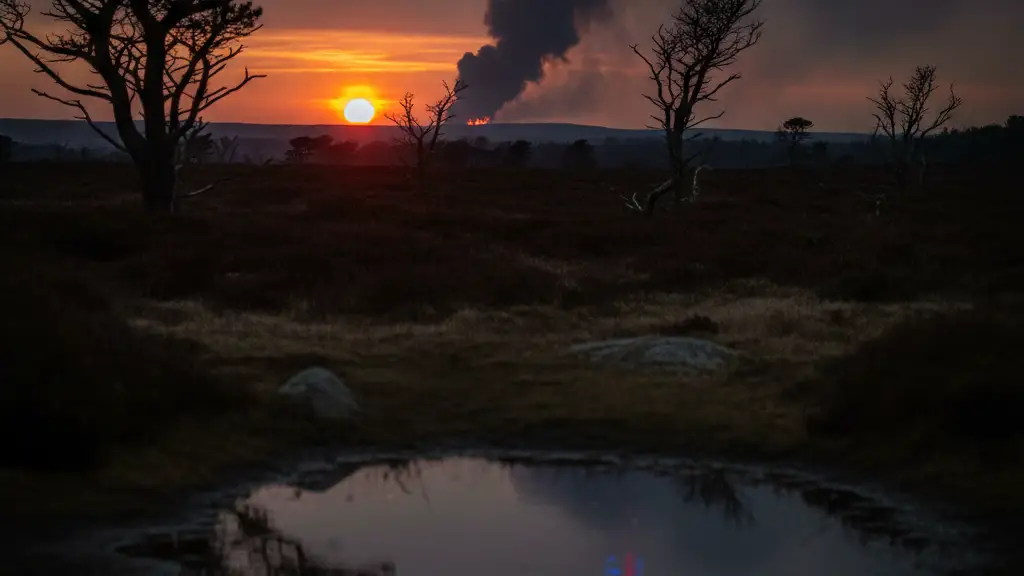
Image: Eddie Pollard / AI

Sarah Connor
A major incident has been declared at Dunwich Heath in Suffolk following a rapidly escalating heath fire that has necessitated property evacuations.
Suffolk Fire and Rescue Service mobilized crews shortly after 5:30 PM on Wednesday, responding to urgent reports of a rapidly developing wildfire. Authorities confirmed the immediate enactment of major incident status due to the blaze's size and complexity.
The inferno currently spreads south-west, posing a direct and imminent threat to the historic St James’ Church.
This blaze erupted during a period of intense heat, a heatwave gripping the entire region.
The UK Health Security Agency (UKHSA) issued an amber heat-health alert for the East Midlands, the East, South East, and London; this alert remains in place until 9:00 AM on Thursday.
Such conditions recall the devastating fires of 2022, when record temperatures fueled widespread destruction across the UK.
That year saw over 24,000 hectares of land scorched, a stark historical precedent for current events.
The rapid escalation at Dunwich Heath draws a stark contrast to ongoing efforts elsewhere. Fire crews in Scotland make progress tackling a wildfire in the Cairngorms which broke out two weeks ago.
This persistent challenge demands robust emergency responses across the country.
Local authorities face immense pressure from both public safety concerns and economic fallout.
The economic impact of wildfires extends beyond immediate property damage, disrupting tourism and agricultural sectors; Dunwich Heath, a National Trust site, attracts thousands of visitors annually, its closure representing a significant loss.
Political stakeholders demand swift action and clear communication from emergency services.
Public trust hinges on effective containment and protection of vital infrastructure and historical landmarks like St James’ Church.
The landscape itself undergoes profound shifts, with climate change driving more frequent and intense heatwaves.
Scientists project a continued increase in wildfire risk across the UK, necessitating long-term strategic planning.
Future strategies must integrate advanced fire-fighting technologies and enhanced public awareness campaigns.
The societal shift towards greater environmental consciousness also places increased scrutiny on preventative measures.
The Dunwich Heath fire serves as a visceral reminder of these evolving threats.
Firefighters battle not just flames, but the relentless pressure of a changing climate and heightened public expectation.