Children's Food Origins Knowledge Gap Revealed in New Poll
A recent survey highlights widespread misconceptions among young children regarding where common foods originate, prompting new educational initiatives.
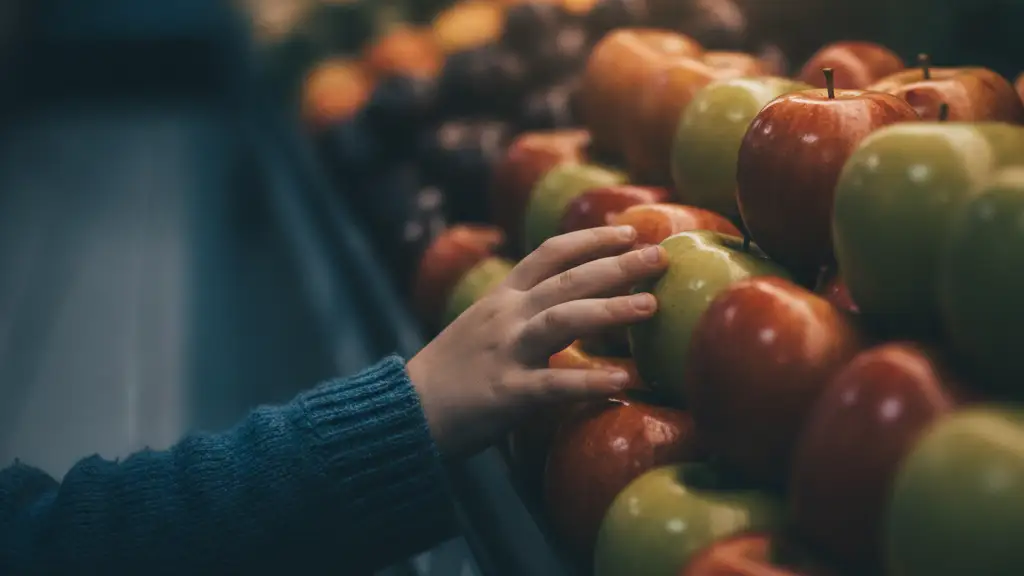
Image: Eddie Pollard / AI

Callum Smith
A new poll of 500 children has revealed that 20% believe fruit and vegetables originate in shops, underscoring a significant gap in food education.
HelloFresh, the prominent meal-kit company, commissioned research revealing critical educational shortcomings in food literacy among children. The company has since partnered with renowned gardener Gerald Stratford to address these issues directly.
Stratford, celebrated for his extensive gardening expertise, consistently emphasizes the profound importance of understanding food's journey. He states, "I've spent years growing vegetables because I believe there's something magical about watching food grow."
But food doesn't simply appear in shops or on our plates - every ingredient has a story behind it.
He further clarifies, "But food doesn't simply appear in shops or on our plates - every ingredient has a story behind it." This sentiment underpins the new educational initiatives.
The survey found a third of children do not know how bananas grow. Furthermore, some remain unaware that cheese, sausages, and eggs originate from animals.
Illustrating the depth of these misconceptions, 10% of six-to-eight-year-olds believe crumpets constitute an animal product. This specific finding points to a surprising lack of basic food literacy.
Many children also lack awareness regarding the fundamental origins of their food. Four in 10 do not know potatoes grow out of the ground, and 42% remain unsure about carrots.
Beyond root vegetables, some children do not realize bananas and apples grow on trees. Additionally, 30% are uncertain that tomatoes harvest from plants.
HelloFresh and Gerald Stratford now launch ‘The Curious Kitchen’ at the Natural History Museum. This initiative directly aims to bridge the identified knowledge gap.
Stratford articulates the program's core goal, stating, "We’re keen to help families explore that journey together and spark children's curiosity, inspire them to ask questions and perhaps even want to get green thumbs of their own."
Parents also confront significant challenges in this educational landscape. A striking 43% admit struggling to answer their children's questions about specific ingredients, despite 90% expressing confidence in their own food origin knowledge.
Pasta (32%), broccoli (25%), and yogurt (23%) emerged as the trickiest ingredients for parents to explain from 'field to fork'. These items represent common household staples.
While 78% of parents believe the dinner table offers the optimal setting for discussing food origins, a quarter also report their child is more likely to consume their five-a-day if they have grown it themselves.
This suggests practical, hands-on experience might prove more effective than mere discussion in fostering a deeper understanding of food sources. Direct engagement often yields superior results.
The poll also uncovered further surprising beliefs: 17% of children believe broccoli are small trees. Another 11% thought their five-a-day comes from animals.
These findings underscore the varied and sometimes unexpected misconceptions children hold about their food's origins. The educational challenge is multifaceted.
One in five children believe fruit and vegetables originate in shops. Others thought produce started life at market stalls and greengrocers, indicating a retail-centric view of food supply.
While some children did not realize foods like cheese, sausages, and eggs come from animals, one in 10 six-to-eight-year-olds believe crumpets are an animal product. This highlights a critical need for foundational education.