Bus Crash Claims 20 Children in Uganda
Tragedy strikes **King David Junior School** pupils returning from excursion, reigniting road safety concerns on **Chekwatit Hill**.
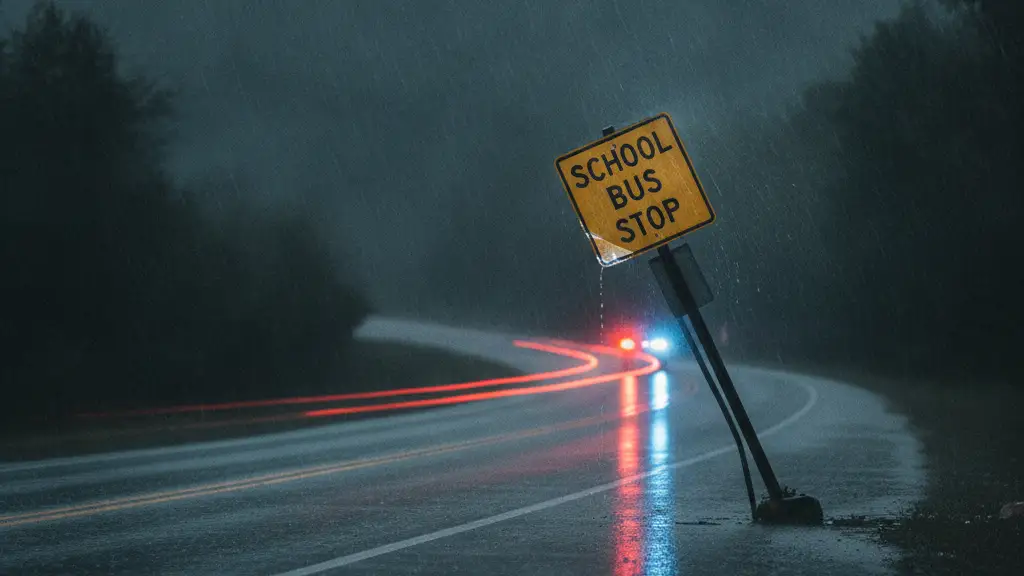
Image: Eddie Pollard / AI

Callum Smith
A bus crash in Uganda claimed the lives of at least 20 children on Thursday evening, leaving approximately 60 other individuals injured.
The bus carried pupils from King David Junior School, returning from a school excursion to Sipi Falls within Kapchorwa District.
A critical mechanical fault developed, and the driver lost control on Chekwatit Hill, a notorious accident blackspot.
The bus veered sharply off the road, collided with a large stone, and then overturned, trapping many individuals inside the wreckage.
Emergency services immediately mobilized, responding to the scene with urgency as rescuers worked to extract individuals from the mangled bus.
Tadeo Ssekade, the school's founder, director, and a teacher, died in the crash; he had been on board the bus.
Authorities continue investigations, working to establish the identities of the driver and the children involved.
This catastrophe echoes a grim 2018 event where 22 children and 3 adults perished in a northern Uganda bus crash.
Uganda's road infrastructure, while expanding, frequently battles maintenance and safety standards, deficiencies that drive a high rate of traffic fatalities.
This latest crash adds to Uganda's grim statistic of over 20,000 road accidents reported annually; public transport vehicles account for a significant portion of these incidents.
The economic impact on Kapchorwa area families will be profound, as many households rely heavily on their children's future contributions to income.
Public pressure now mounts on the government to implement stricter vehicle inspection protocols and improve road signage, particularly in hazardous zones like Chekwatit Hill.
The Ministry of Works and Transport faces scrutiny regarding its oversight of commercial passenger vehicles; driver training programs are also under review.
This incident will likely reignite calls for increased investment in safer school transport options across the nation, as communities demand better protection for their children.
Discussions will focus on mandatory seatbelt laws for buses and enhanced emergency response capabilities in rural areas, measures aimed at preventing future tragedies.
The long-term societal shift could see communities demanding greater accountability from private school operators, including rigorous scrutiny of vehicle maintenance and excursion planning.