BrewDog Sold to Tilray Brands for \u00a333m as Investors Face Total Loss
Co-founder James Watt admits to failures following the closure of 38 bars and the elimination of nearly 500 jobs.
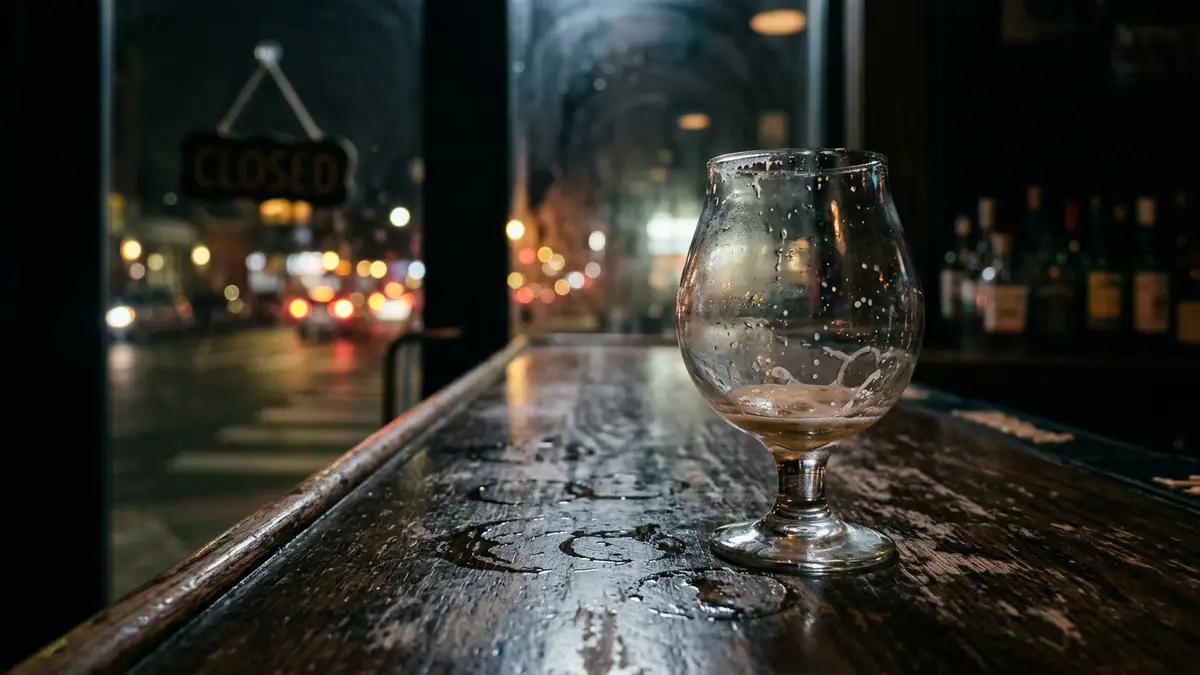
Image: Matt Weston / AI

Sarah Connor
The craft beer giant BrewDog has been acquired by Tilray Brands for \u00a333 million, marking a 97 percent collapse in value from its peak valuation of \u00a31.8 billion.
This acquisition follows a period of rapid contraction that saw the closure of 38 BrewDog bars across the globe. These closures resulted in the termination of 484 employees, many of whom were left without immediate recourse.
Beyond the financial collapse, the human cost became visible when Unite the Union reported that the workforce received only 25 minutes of notice regarding the bar closures. Staff members were reportedly barred from asking questions during the brief window before their employment ended.
The workforce received only 25 minutes of notice regarding the bar closures.
Bryan Simpson, lead organiser for Unite’s hospitality branch, attributed the collapse to catastrophic mismanagement by the company's leadership. He pointed to the sudden nature of the redundancies as evidence of a failure in corporate responsibility.
Co-founder James Watt admitted to making many mistakes during his tenure at the helm of the craft beer giant. This admission comes as the company transitions from an independent Scottish brand into a portfolio owned by a global cannabis and beverage firm.
The financial structure of the deal ensured that institutional backers received payouts while grassroots investors were left with nothing. Investor Richard Fisher confirmed the sale occurred at a knock-down price that leaves no return for individual shareholders.
One self-confessed Equity Punk stated that the company culture soured over time and accused leadership of becoming hubristic. This sentiment was echoed by others who felt the original 'punk' ethos had been abandoned for corporate interests.
The same investor questioned Watt on the decision to give institutional investors preference over the public backers who funded the company's early growth. This preference meant that while the founders and big firms saw liquidity, the small-scale supporters faced a total loss.
The original backers who bought into the 'garage-to-global' narrative received no capital return in this final sale.
LinkedIn user Fraser Campbell claimed Watt walked away with £50 million from a previous deal with TSG Consumer Partners. Meanwhile, the original backers who bought into the 'garage-to-global' narrative received no capital return in this final sale.
Cathal Morrow challenged Watt on social media, asking if it remained appropriate to use the word 'punk' in his professional biography. Morrow described the continued use of the branding as insulting to those who funded the company's rise.
Shareholder Fraser Reid noted he bought into the brand because of its attitude rather than expectations of significant wealth. He stated he originally supported the beer and the rebellious image BrewDog represented before the recent financial decline.
James Brown, former CEO of BrewDog’s bars division, shifted some responsibility for the company's struggles toward the government. He cited the recent hike in National Insurance as a contributing factor to the financial woes facing the hospitality sector.
John Allison questioned if Watt felt heartbroken over the specific preference given to institutional investors over the public backers. The disparity between the treatment of venture capital firms and the 'Equity Punks' has become a focal point of the fallout.
The hospitality industry has faced significant headwinds, including rising energy costs and shifting consumer habits. However, critics argue that BrewDog's aggressive expansion strategy left it uniquely vulnerable to these economic pressures.
The sale to Tilray Brands marks the definitive end of BrewDog's independent era. The brand now joins a stable of products managed by a firm primarily known for its dominance in the international cannabis market.
For the 200,000 individual shareholders, the 'Equity for Punks' scheme has concluded with the total loss of their initial capital contributions. The narrative of a community-owned brewery has been replaced by the mechanics of a distressed asset liquidation.