Whitelee Windfarm Set for £1.5 Billion Repowering with Turbines Taller Than Canary Wharf
Britain's largest onshore windfarm to reduce turbine count while dramatically increasing power output by 2035.
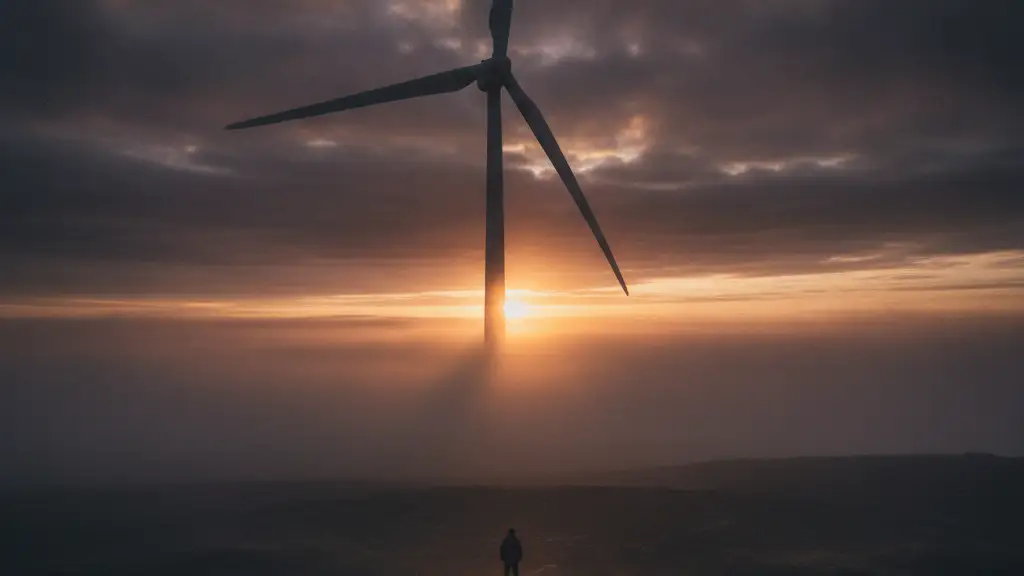
Image: Eddie Pollard / AI

Carla Rooney
Whitelee Windfarm in East Renfrewshire, Britain's largest onshore facility, will undergo a £1.5 billion repowering, replacing its current turbines with a new generation capable of generating over 1GW of power.
The ambitious Whitelee project, targeting full operation by 2035, will slash the number of turbines from 214 to 124, yet it will dramatically boost the site's overall installed capacity from 533MW to an undisclosed, significantly higher figure.
These new turbines will dominate the skyline, standing over 800 feet tall and definitively exceeding Canary Wharf's One Canada Square, which measures 771 feet.
The relentless evolution of wind turbine technology, particularly in offshore applications, directly drives these towering structures, with China's aggressive 1.3 terawatt wind power goal by 2030 spurring rapid adoption of hybrid tower designs.
This substantial upgrade at Whitelee reflects a broader, undeniable industry shift; over half of Great Britain's current wind farm capacity will reach its operational end within the next critical decade.
The repowering of Whitelee, a site open to the public since 2008, underscores the urgent, undeniable demand for infrastructure modernization to meet future national energy needs.
The new capacity from Whitelee could power 650,000 homes, a critical and indispensable contribution to national energy targets.
Scottish Power, the project developer, reported a robust 17% increase in earnings before interest, tax, depreciation, and amortisation, reaching £1.7 billion in the first six months of 2026.
This formidable financial health provides a rock-solid foundation for undertaking such large-scale, capital-intensive investments.
Scottish Power asserts the new capacity from Whitelee could power 650,000 homes, a critical and indispensable contribution to national energy targets.
Scottish Power Renewables confirmed the upgrade will be fully operational by 2035, aligning precisely with the EU's stringent 90% carbon emission reduction goal by 2040 compared with 1990 levels.
The project also directly supports the EU's Electrification Action Plan target of achieving a 46% electricity share by 2040, demonstrating its strategic alignment with broader European energy policy.
The repowering proposals will unfold in three distinct phases, a meticulously designed strategy intended to maintain continuous public access to the windfarm's visitor centre throughout the entire construction period.
Construction is definitively planned to commence in the 2030s, with commissioning targeted for approximately 2035, marking a clear timeline for this monumental undertaking.
A significant environmental commitment accompanies the project: 99% of the old turbines are slated for recycling, a critical measure minimizing waste from the extensive decommissioning process.
The sheer scale of the new turbines, towering over 800 feet, marks a dramatic and undeniable evolution in wind energy technology, pushing the very boundaries of onshore wind generation.
This development at Whitelee acts as a critical bellwether for the future of renewable energy infrastructure across the UK, signaling an inevitable move towards fewer, yet significantly more powerful, generating units.
The economic implications are substantial; the £1.5 billion investment injects considerable, much-needed capital directly into the Scottish economy and actively supports vital green job creation.
Public and political stakeholders will closely monitor the project's progress, particularly regarding its visual impact and its indispensable contribution to national energy security.
The history of Whitelee, from its 2008 opening to its current status as Britain's largest onshore windfarm, positions it as a critical test case for large-scale renewable energy repowering, providing invaluable historical context.
Its transformation will provide invaluable data and experience for similar projects anticipated across the country as older windfarms inevitably reach their end-of-life.
The project's success is crucial for Scotland's ambitious renewable energy targets and the UK's broader, legally binding commitment to net-zero emissions.
Scottish Power's robust financial performance in 2026, with its £1.7 billion earnings, provides an unshakeable foundation for undertaking this capital-intensive and strategically vital endeavor.
Scottish Power's robust financial performance in 2026, with its £1.7 billion earnings, provides an unshakeable foundation for undertaking this capital-intensive and strategically vital endeavor.