Whitbread to Close All 106 Beefeater Restaurants in Major Strategic Shift
Company pivots towards Premier Inn expansion, converting restaurant sites into additional hotel rooms.

Sarah Connor
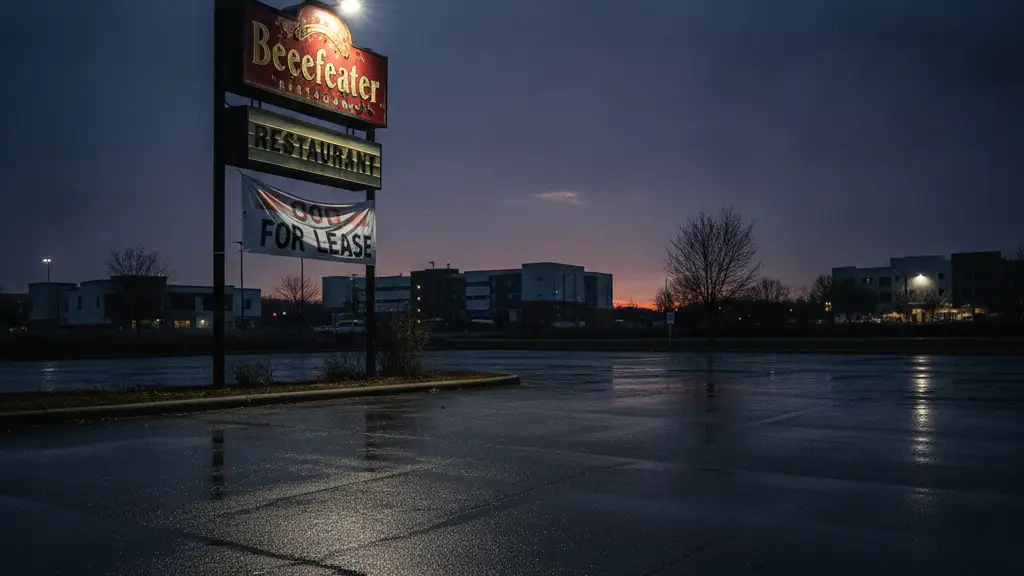
Whitbread is set to close all 106 Beefeater restaurants and an unspecified number of Brewers Fayre locations as part of a significant strategic overhaul.
Dominic Paul, Whitbread's CEO, confirmed the company's strategic direction, stating, "We plan to convert all our remaining branded restaurants to an integrated food and beverage offer that is preferred by our hotel guests and will unlock the addition of more highly profitable extension rooms."
The company also plans to offload £1.5 billion of freehold properties, an action that reduces the overall portion of owned properties across its portfolio from 50% to a leaner 30%.
This aggressive financial restructuring reflects a broader industry trend towards asset-light models, allowing for greater flexibility and critical capital redeployment.
We plan to convert all our remaining branded restaurants to an integrated food and beverage offer that is preferred by our hotel guests and will unlock the addition of more highly profitable extension rooms.
The customer loyalty program for Beefeater and Brewers Fayre concludes on August 31, signaling the impending end for these long-standing brands.
Further closures are expected, with Table Table restaurants, Bar and Block branches, and Cookhouse and Pub venues ceasing operations on September 3.
Four specific locations across the Liverpool City Region face immediate closure: Ocean Plaza Brewers Fayre in Southport, The Packet Steamer Beefeater in Bootle, Preston Brook Beefeater in Runcorn, and the Stag & Rainbow on Queens Drive.
The move to ditch separately-branded restaurants impacts around 200 sites in total, Whitbread claims, though specifics on other impacted branches have yet to be announced.
Whitbread cannot confirm how many jobs would be lost as part of the change, advising it will look to redeploy staff where possible.
However, Whitbread did confirm some West Midlands job losses would occur, though the company was unable to share exact figures as of July 27.
Contradictory reports suggest most staff will remain employed, yet 12% of employees from the closed locations are understood to be losing their jobs.
Historically, Whitbread consistently adapted its portfolio to market demands; the company, founded in 1742, continuously evolved from brewing to its current focus on hotels and restaurants.
This latest move reflects a calculated response to changing consumer preferences, as hotel guests increasingly favor integrated dining options over standalone restaurant brands.
Dominic Paul stated, "We always challenge ourselves to improve and, in light of significant cost increases in the form of business rates and national insurance, as well as the implied market discount to our inherent value, we’ve looked hard at the options open to us to maximise value creation over the medium and long-term."
Economically, the shift towards an asset-light model frees up substantial capital, which can fuel further expansion of the highly profitable Premier Inn brand, a key driver of Whitbread's growth.
The broader hospitality landscape continues its relentless transformation, moving away from traditional, fragmented models towards more streamlined, integrated offerings.
This future-focused strategy positions Whitbread to capitalize on evolving travel and leisure trends, aiming to strengthen its core hotel business and ensure long-term profitability.
The emphasis on Premier Inn's integrated food and beverage offering sets a new industry standard.