UK Swings from Record Heat to Autumn Deluge
Meteorological summer's unprecedented temperatures give way to flood alerts and persistent drought conditions across England and Wales.

Sarah Connor
The UK's meteorological summer concluded with record-breaking heat, immediately followed by severe wet and windy conditions.
Wet, whipping winds tore through the first day of meteorological autumn on September 1, as five flood alerts blared across England.
Up to 2.8 million people faced temporary hosepipe bans during the heatwave; July 2026 was reportedly the driest in 190 years.
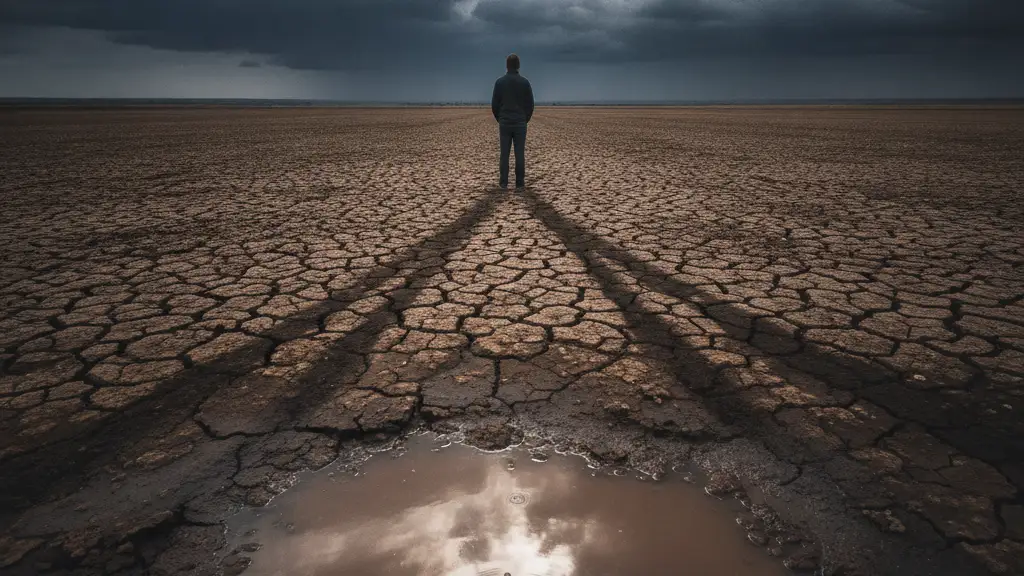
Most of England and the entirety of Wales remain locked in drought, with reservoir storage in England plummeting to 60%, 18 percentage points below the average for this time of year.
The Government unleashed a £65 million package to support farmers.
Fire and rescue services across England and Wales battled 1,132 wildfires by August 16, a tally that already surpassed the total for all of 2025.
Nineteen homes in Stourbridge were utterly destroyed as multiple fires raged across the West Midlands; fifteen youngsters and five adults drowned during the heatwave's relentless grip.
Water safety education will become compulsory in Relationships and Sex and Health Education (RSHE) lessons starting this September.
The Met Office, meanwhile, unveiled the official list of storm names for the 2026-27 season, including Austen, Boelo, and Chloe, chosen from over 40,000 public suggestions.
The death toll for this summer is expected to shatter records, surpassing the 2,985 fatalities recorded in the summer of 2022.
The summer of 2026 has been remarkable and is an example of the extremes we can expect to see more frequently as a consequence of human induced climate change.
Dr. Mark McCarthy declared, "The summer of 2026 has been remarkable and is an example of the extremes we can expect to see more frequently as a consequence of human induced climate change."
El Niño is declared when sea temperatures in the tropical eastern Pacific surge 0.5C above the long-term average; this natural warming of sea temperatures is forecast to reach more than 3C in the coming months.
The national weather service began recording temperature data for the UK in 1884, providing a historical context for the current extremes.