Record Number of Archaeological Finds Reported in 2024, Driven by Public Engagement
Record number of finds logged in 2024, with amateur enthusiasts driving documentation of national history.

Callum Smith
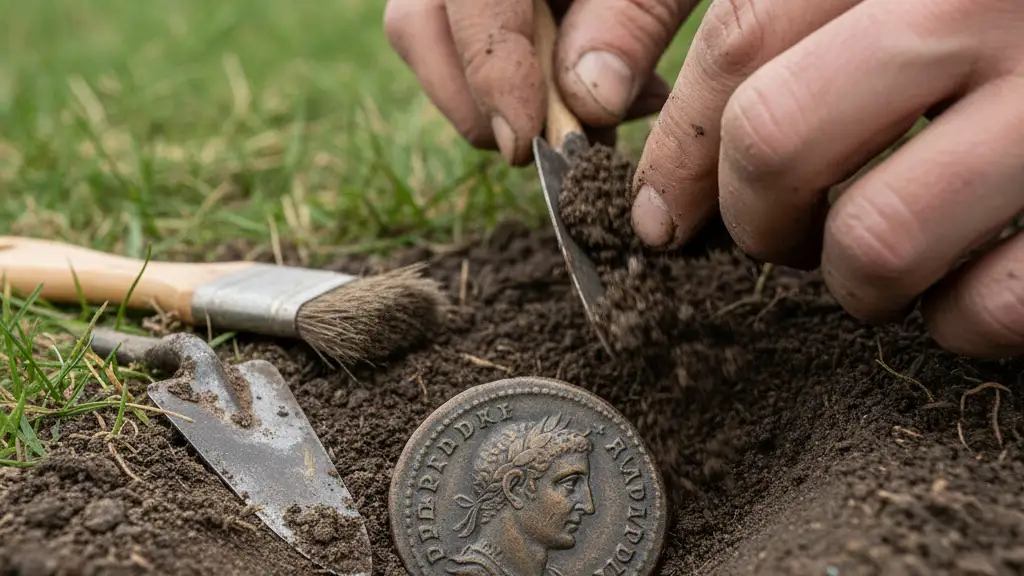
A record 79,616 archaeological finds were reported in 2024, marking a substantial increase from previous years and underscoring the significant role of public participation in uncovering the nation's past.
The 2024 finds represent a significant increase from the 74,506 discoveries made in 2023 and 53,490 in 2022. This surge is largely attributed to amateur enthusiasts, who accounted for 94% of recorded discoveries this year.
Among the notable finds was a hoard of pennies linked to Harold II, likely buried on the eve of battle in 1066. The British Museum confirmed the hoard was deposited late in the king's rule, potentially around the time of the Norwegian invasion by King Harald Hardrada.
A rare Roman vehicle fitting was unearthed in Essex, while a group of early medieval objects was discovered in Wiltshire. These items provide fresh clarity on the daily lives and economic conditions of past societies in these regions.
Norfolk, Suffolk, Lincolnshire, and Gloucestershire recorded the highest number of Portable Antiquities Scheme (PAS) finds. These regions remain the most prolific grounds for historical exploration in the country.
The rise in metal detecting's popularity highlights the vital contribution the public makes to documenting national history. This widespread participation has become an essential pillar of heritage preservation.
The increased volume of PAS reports has forced a reinterpretation of several historical milestones. New data provides fresh insights into early Anglo-Saxon barrow cemeteries and coastal defense infrastructure identified at a nuclear site burial.
The accessibility of metal detecting equipment and the rise of online archaeological communities have fueled this surge. These platforms serve as vital hubs for sharing research and fostering collaboration among enthusiasts.
Systematic recording through the PAS ensures these discoveries are documented for public benefit rather than lost to private collections. The historical context of these finds is often profound, offering tangible links to significant figures.
Each object contributes to a larger, more complex narrative of human history within the British Isles. This trend suggests a fundamental shift in historical research, driven by a growing reliance on citizen science.
This evolution could lead to entirely new interpretations of established historical periods. Future implications include more comprehensive mapping of historical sites and a deeper understanding of everyday life in past eras.
This data will directly inform conservation efforts and future archaeological planning. The sheer volume of recent discoveries indicates that much of the nation's history remains buried and waiting to be found.
The success of the Portable Antiquities Scheme demonstrates the power of public-private partnerships in heritage management. Engaging the public yields significant returns for historical research and national record-keeping.
As more individuals take up the hobby, the potential for uncovering previously unknown sites grows exponentially. Sustained public interest remains the key to unlocking further historical insights.
The findings from 2024 serve as a testament to an enduring fascination with the past and a desire to connect with it directly. This connection is fostered through active participation and the thrill of discovery.
The continued efforts of amateur archaeologists are essential for building a more detailed picture of Britain's historical landscape. Their work ensures that the stories of the past are continually brought to light.
Related Keywords
EnglandNorthern IrelandWales