Prince William Commemorates Princess Diana with 1984 Highgrove Portrait
Historical records and royal observers detail the shifting dynamics between the Prince of Wales and the Duke of Sussex.
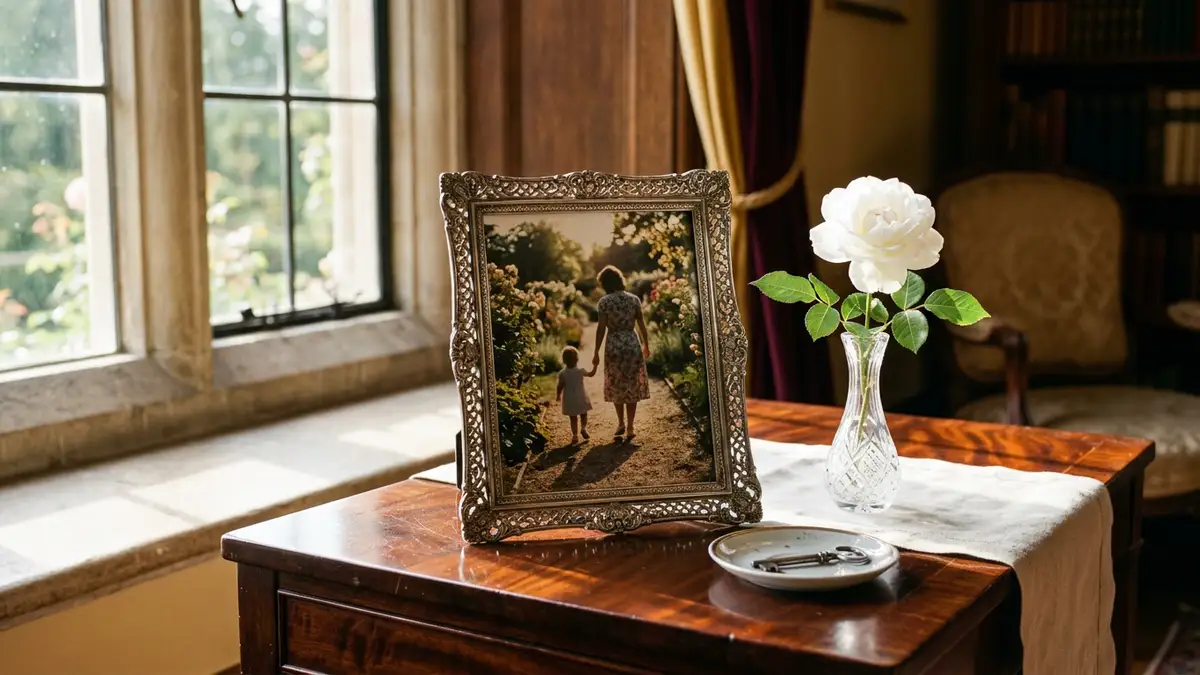
Image: Matt Weston / AI

Callum Smith
Prince William released a 40-year-old photograph of himself with Princess Diana at Highgrove to mark Mother’s Day, grounding the modern monarchy in its Spencer lineage.
Historical accounts of the family's internal dynamics reveal early deviations in how the two brothers viewed their future roles. Princess Diana observed that William did not naturally gravitate toward the looming responsibilities of the crown.
Beyond the surface of royal duty, she stated her belief that her eldest son never truly wanted the top job. Consequently, she explored the possibility of paving a path for a potential King Harry.
Her eldest son never truly wanted the top job.
Diana viewed her younger son as a viable alternative for the throne's requirements. These early assessments contrast sharply with the current institutional reality of the House of Windsor.
The release of this archival imagery coincides with intense scrutiny regarding succession pressures. The monarchy’s public image relies on such curated photography to maintain a sense of historical continuity.
Economic and political stakeholders monitor these public displays for signals of reconciliation or further distance. Every commemorative gesture carries weight as the number of working royals continues to contract.
This contraction increases the visibility of William’s adherence to his constitutional workload. The departure of the Duke of Sussex from senior duties in 2020 shifted the entire burden onto the elder brother.
Queen Camilla shared her own assessment of the family’s current state with a close associate. She stated her belief that Meghan Markle had brainwashed Harry.
Meghan Markle had brainwashed Harry.
The Duke of Sussex remains in California, maintaining a significant physical and operational distance from the Highgrove legacy. This geographic divide defines the current era of the Windsor family structure.
Public pressure for a resolution between the brothers remains high. Observers noted that on days of national remembrance, the public focus shifts toward the necessity of family unity.
Voices within the public sphere suggest the brothers must heal their rift and reconcile. These calls for unity frequently follow the release of nostalgic imagery involving their late mother.
Highgrove remains a significant site in royal history as the setting for the upbringing of both princes. It stands as a static representation of a period before the current institutional divide took hold.
The 1984 image remains one of the few shared artifacts that the Prince of Wales uses to signal his personal history. It anchors his current identity to the legacy of the Spencer family.
Future transitions of power depend entirely on the stability of the immediate line of succession. The current landscape faces a reduced roster of royals available for public engagements.
The 40-year-old photograph serves as a reminder of the brothers' shared origins in the Gloucestershire countryside. It highlights the divergence between their early childhood environment and their current disparate paths.
The Prince of Wales continues to use these archival moments to define his public persona. This strategy reinforces his position as the primary successor to the throne despite his mother's early observations.