New Pay-Per-Mile Road Tax for Electric Vehicles Looms
Government plans to introduce a new levy on electric vehicles by April 2028, impacting drivers and the broader EV market.
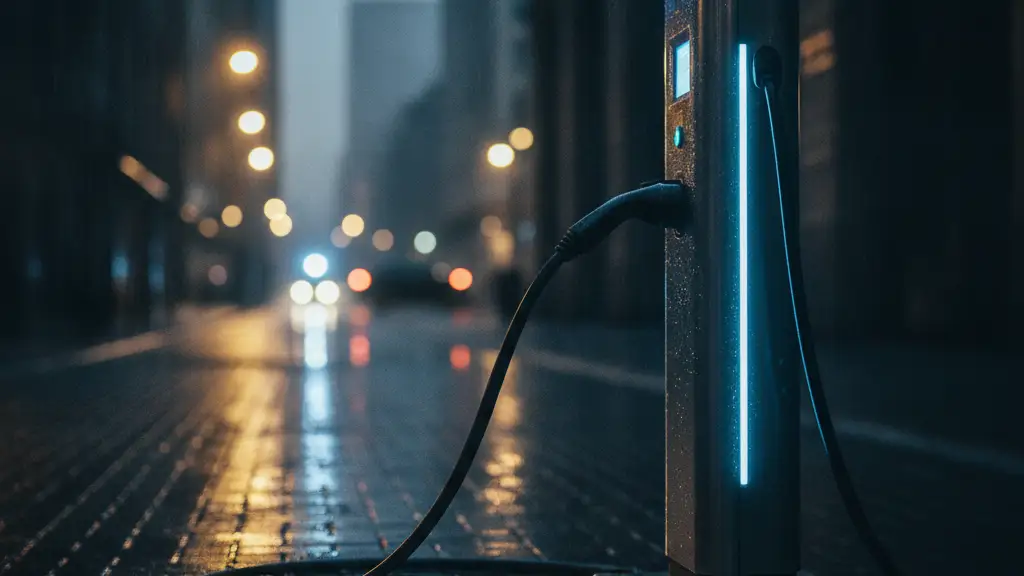
Image: Eddie Pollard / AI

Callum Smith
A new pay-per-mile road tax for electric vehicles (eVED) is reportedly set to be introduced from April 2028, marking a significant shift in motoring taxation.
The introduction of this tax represents a pivotal moment for the electric vehicle industry. It will directly influence consumer purchasing decisions and the pace of the transition away from fossil fuels.
Fleets and leasing companies will navigate this new landscape with streamlined options for bulk licensing and central mileage reporting. This simplifies the process for larger operators.
The Office for Budget Responsibility projects a significant deceleration in EV adoption. They forecast a reduction of approximately 120,000 electric vehicle sales between 2025-26 and 2030-31.
This policy emerges amidst a broader struggle with energy costs. The Prime Minister reportedly plans to scrap VAT on electricity bills from October.
For instance, the Ionity network charges £0.81 per kWh. BP Pulse charges between £0.69 and £0.89 per kWh.
A 100kWh EV would incur an £81 charge for a full recharge on the Ionity network. A 50kWh EV would cost £40.50 for the same.
Other public charging options also present substantial costs. A full recharge of a 100kWh EV on the Instavolt network costs £92, and £86 on the Osprey network.
Analysis suggests the average driver could pay around £300 annually under the new tax. This adds a new layer of expense to EV ownership.
A car averaging 5 miles per kWh would cost 16.2 pence per mile when charging on the Ionity network. An EV managing 2.5 miles per kWh would cost 32.4 pence per mile.
The government's dual approach of tax introduction and VAT reduction highlights a complex balancing act. It weighs revenue generation against incentivizing green technologies.
The long-term impact on the UK's net-zero targets and the accessibility of electric vehicles for all citizens will be closely monitored.
The policy's rollout in April 2028 will determine the trajectory of electric vehicle integration into the national infrastructure.