Hosepipe Bans Widen Amid Fourth Heatwave, Conservation Efforts Urged
Water companies implement restrictions as dry conditions persist, prompting advice on alternative watering methods.
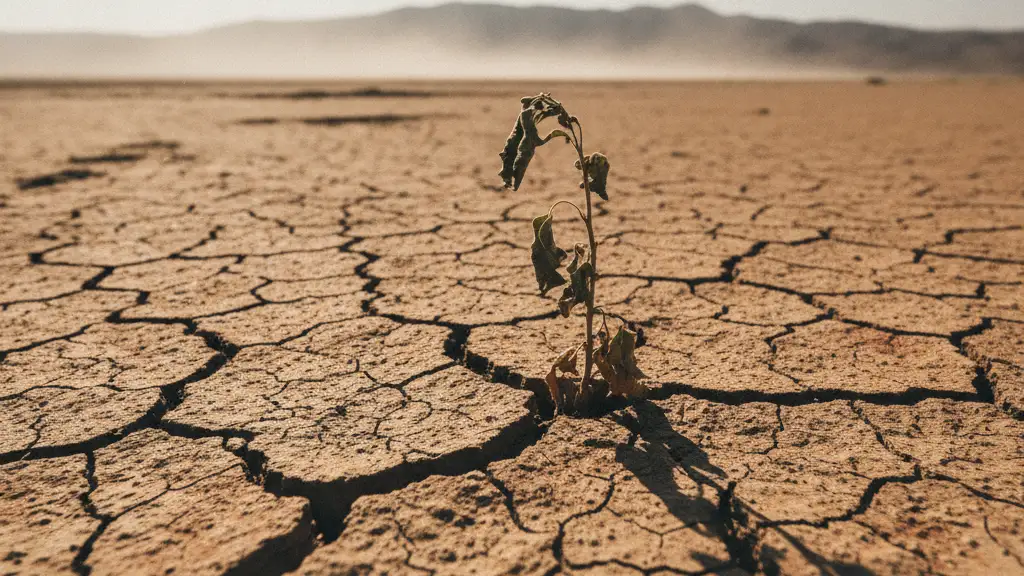
Image: Eddie Pollard / AI

Carla Rooney
Several water companies, including Anglian Water, Cambridge Water, Thames Water, and South East Water, have implemented hosepipe bans across various regions due to prolonged dryness.
Households retain permission to deploy watering cans, buckets, and water butts for essential tasks, a limited concession in a tightening crisis.
Mark Dwelly, a leading horticultural expert, confirms the watering can stands as the most effective and straightforward method for plant hydration during the current hosepipe ban.
Matt Adams, another authority in garden management, suggests repurposing bath or shower water for similar watering needs.
Beyond immediate measures, Adams advocates for farmyard manure as a definitive solution to retain soil moisture in garden beds.
Dwelly reinforces this strategy, advising a substantial mulch layer on beds to actively prevent soil desiccation.
Mark Dwelly indicated that A robust application of bark chippings will also significantly aid in moisture retention.
For potted plants, he recommends relocating them into shaded areas or covering them with a light fleece, particularly those on castor wheels.
This current crisis echoes historical precedents of severe water scarcity, though the frequency and intensity now mark a distinct shift.
The summer of 1976, for instance, saw widespread drought, yet the current succession of four heatwaves within a single season presents a novel challenge to national infrastructure.
Stakeholders across the political spectrum now confront mounting public pressure to deliver immediate and long-term solutions.
Economic impacts ripple through the agricultural sector, with crop yields threatened by the lack of consistent rainfall, forcing farmers to consider drastic measures.
The Environment Agency, a key regulatory body, faces scrutiny over its long-term water management strategies, particularly concerning leakage rates from aging infrastructure.
Public confidence in water utility companies, such as Thames Water and Southern Water, erodes as restrictions tighten.
Meanwhile, the landscape of domestic water use undergoes a forced transformation, pushing innovation in water-saving technologies and practices.
This societal shift demands a re-evaluation of everyday habits, from garden maintenance to personal hygiene.
Adams offers specific guidance for lawn care, asserting that grass should never be mowed to the soil line.
If mowing becomes unavoidable, Adams advises setting mowers to their highest possible setting, a critical step to preserve vital moisture within the turf.
The future of water management in the UK hinges on a multi-faceted approach, integrating advanced forecasting with robust infrastructure upgrades.
Investment in new reservoirs and desalination plants, long debated, gains renewed urgency amidst these persistent dry spells.
This sustained drought also accelerates the national conversation around climate change adaptation, moving it from theoretical discussion to immediate, tangible action.
The economic cost of inaction, measured in agricultural losses and public health impacts, now becomes undeniably clear.
The political will to enact significant policy changes, including stricter regulations on industrial water use and incentivizing domestic conservation, will define the nation's resilience.
Public compliance with current restrictions, while high, must be sustained through clear communication and consistent enforcement.
The current scenario, marked by unprecedented heatwave frequency, demands a fundamental re-evaluation of national water security.
The lessons from 1976, once a benchmark, now serve as a stark reminder of past vulnerabilities, amplified by contemporary climate patterns.
Water companies, facing both regulatory pressure and consumer backlash, must accelerate investment in leakage reduction, a critical component of supply preservation.
Reports indicate some companies lose millions of litres daily through their networks, a figure now under intense public scrutiny.
The long-term forecast suggests an increased likelihood of similar extreme weather events, necessitating a proactive rather than reactive strategy.
This includes exploring sustainable urban drainage systems and promoting water-efficient landscaping in new developments.
The collective effort of millions, from individual households adjusting their routines to national bodies implementing strategic overhauls, will determine the UK's capacity to navigate this evolving environmental challenge.
The immediate future demands vigilance; the long-term requires systemic transformation.