Allies Link Dart Frog Toxin to Navalny Death in Siberian Penal Colony
Western nations identify Epibatidine neurotoxin as the chemical weapon used against the Russian dissident

Carla Rooney
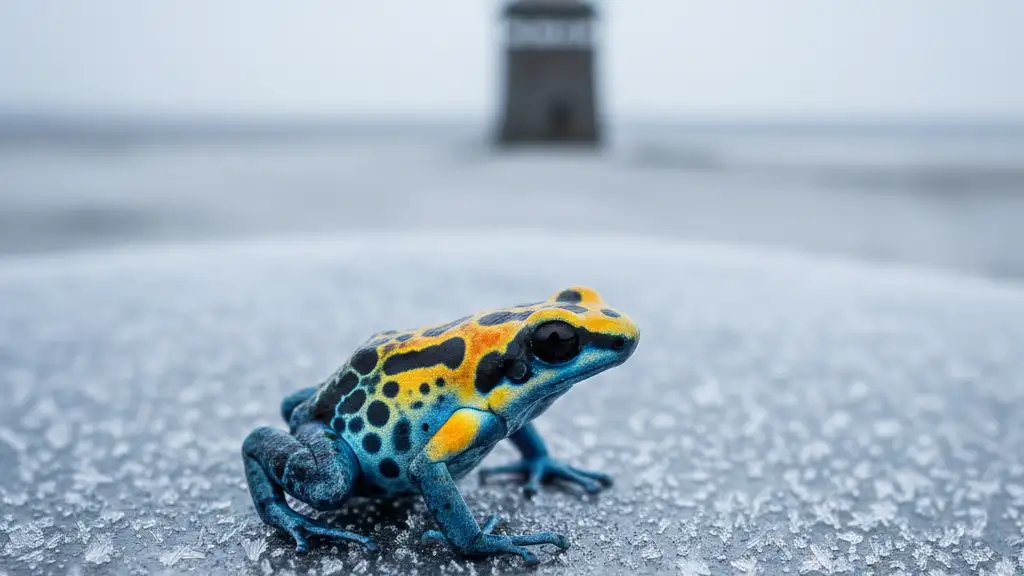
The United Kingdom, France, Germany, Sweden, and the Netherlands now blame the Russian state for the 2024 death of Alexei Navalny following exposure to a lethal toxin derived from an Ecuadorian dart frog.
Beyond the legal debate, the Foreign Office maintains that no innocent explanation exists for the toxin's presence, as Russia viewed Navalny as a persistent threat to its internal stability. This strategic shift follows years of diplomatic friction between London and Moscow over chemical agents on foreign soil.
The findings mirror the 2020 poisoning of Navalny with a Novichok nerve agent, which forced his emergency evacuation and hospitalization in Berlin. Navalny previously accused Vladimir Putin of direct responsibility for the Novichok strike, allegations the Kremlin continues to deny despite international consensus.
I was certain from the first day that my husband had been poisoned, but now there is proof
Yulia Navalnaya confirmed that analysis of biological materials from the prison cell proved her husband’s murder, stating 'I was certain from the first day that my husband had been poisoned, but now there is proof'. Russian authorities previously attributed the death to 'combined diseases,' including an irregular heartbeat, maintaining the dissident died of natural causes in the Arctic environment.
Kremlin spokesperson Maria Zakharova characterized the European findings as an information campaign, claiming the allegations aim to distract Western citizens from domestic problems. Meanwhile, on the ground, Navalny’s allies previously decried his forced transfer to the remote town of Kharp in the Yamalo-Nenets region, describing the move to the severe Arctic colony as a deliberate attempt to silence him.
The use of rare toxins follows a historical pattern of state-sponsored assassinations, with the 1978 killing of Bulgarian dissident Georgi Markov with a ricin-tipped umbrella serving as a notable precedent. A joint statement from five European foreign ministries asserts that Russia failed to destroy its entire chemical weapons stockpile, with the group remaining confident that state agents administered the poison.
This incident highlights the extreme vulnerability of high-profile dissidents to targeted chemical attacks, raising urgent questions about the proliferation of rare toxins and the capabilities of state actors. The international community now faces pressure to deliver a unified response to this aggression, with the European Union issuing a statement demanding a thorough and transparent investigation.
Vladimir Putin doesn’t have too much time left
Experts warn that the development of synthetic biological agents carries far-reaching consequences for global security, representing a new frontier in modern clandestine warfare. Ukrainian President Volodymyr Zelensky stated that Vladimir Putin 'doesn’t have too much time left' following these revelations, as Putin has not appeared in public for over a week.
The Kremlin's alleged use of a dart frog toxin has sparked widespread condemnation, with many calling for increased sanctions against Russia. The incident has also raised concerns about the safety of other high-profile dissidents and the need for increased protection measures.
As the international community grapples with the implications of this incident, one thing is clear: the use of chemical agents against dissidents is a serious threat to global security and human rights. The world will be watching closely to see how Russia responds to these allegations and whether the international community will take decisive action to hold them accountable.
In the meantime, the family of Alexei Navalny continues to seek justice for his murder, with Yulia Navalnaya vowing to keep fighting for the truth. The incident serves as a stark reminder of the risks faced by those who dare to challenge authoritarian regimes and the need for continued support and protection for dissidents around the world.