Eileen Gu Retains Olympic Halfpipe Title as Zoe Atkin Secures Bronze
British skiing matches historic medal haul despite heavy snow disruptions in Livigno
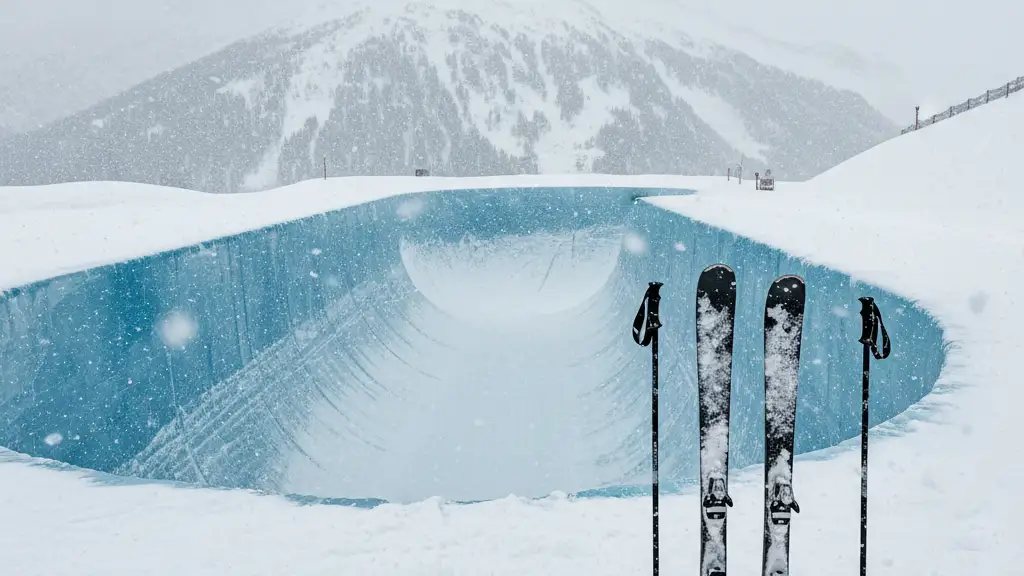
Image: Matt Weston / AI

Callum Smith
Eileen Gu cemented her status as the undisputed queen of the halfpipe by successfully defending her Olympic title in Livigno, overcoming both logistical friction and a fierce challenge from the international field.
This triumph was no accident of talent alone, as Gu arrived in Italy equipped with an unprecedented 21 different pairs of skis to manage the technical demands of her multi-discipline campaign.
Beyond the equipment, the athlete frequently voiced her frustration with organisers regarding a training schedule she deemed entirely inadequate for the rigours of elite competition.
As the only competitor tackling all three freestyle disciplines, Gu argued that officials failed to accommodate the unique requirements of her grueling, back-to-back itinerary.
These logistical hurdles, coupled with the scrutiny of her high-profile personal choices, forced her to navigate a relentless barrage of media questioning throughout the event.
Despite the mounting off-slope tension, her performance in the pipe remained clinical, as she carved through the transition with the same technical superiority that defined her previous Olympic run.
While Gu claimed the spotlight, Zoe Atkin captured a monumental bronze medal in the freeski halfpipe, marking a significant individual milestone for the British athlete.
Atkin’s podium finish carried national weight, allowing Team GB to match its previous record haul of five medals at a single Winter Games and equalling the nation's best-ever winter performance.
This historic achievement unfolded after the final was forced into a Sunday slot, following heavy snow in Livigno that made the original competition schedule impossible to maintain.
Organisers eventually set a start time of 9:40 am UK time, though they remained visibly wary of the precarious weather conditions threatening further delays.
The heavy snowfall transformed the Livigno landscape into a logistical nightmare, creating a punishing environment for maintenance crews tasked with keeping the halfpipe walls pristine.
While the skiers celebrated their resilience, the curling arena told a different story as Bruce Mouat’s team fell short of their ambitious goal to secure the top spot on the podium.
The squad had arrived in Italy with the specific, singular intent of improving upon the silver medal they earned at the Beijing Winter Olympics in 2022.
Mouat’s team aimed to erase the lingering sting of that previous silver and become the first men’s curling team to win gold in 102 years.
The weight of this century-long historical drought added a suffocating layer of pressure to a team that has served as the face of British curling for the current Olympic cycle.
Ultimately, their failure to capture gold highlights the razor-thin margins at the elite level, where a single stone can dictate the legacy of a four-year training block.
For the British contingent, the day remained a complex mixture of record-matching success on the slopes and narrow, heartbreaking misses on the ice.
The broader implications for Team GB are significant, as the five-medal haul reinforces the effectiveness of recent strategic investments in freestyle skiing and snowboarding.
Gu’s successful defence of her title ensures she remains the most marketable and scrutinised figure in winter sports as the global focus shifts toward the next quadrennial.
Meanwhile, the precarious nature of the Livigno schedule serves as a stark reminder of the increasing volatility of mountain weather and its impact on high-stakes athletic scheduling.