Childhood Social Isolation Linked to Poorer Adult Prospects and Economic Impact
New research reveals a significant correlation between early social experiences and future employment, education, or training outcomes.
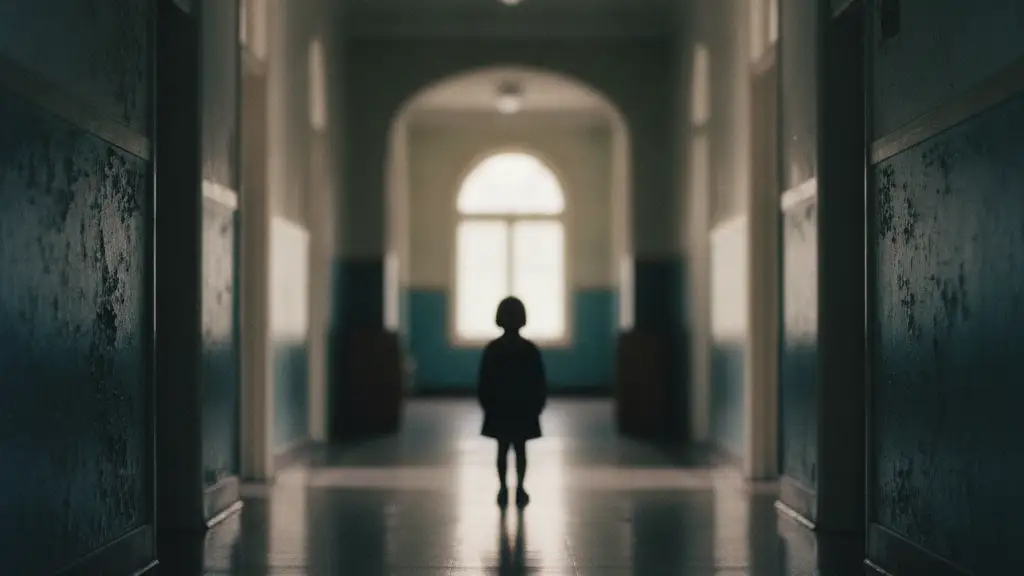
Image: Eddie Pollard / AI

Callum Smith
A King's College London study has established a direct link between social isolation in childhood and a higher likelihood of young adults being NEET.
Children who spent break times alone or consistently missed selection for team activities later experienced significantly poorer career prospects. Bridget Bryan, a key researcher, confirmed these findings suggest tackling childhood social isolation offers a valuable lever for improving young people’s life chances and job prospects.
The concern about growing NEET rates intensifies as many young adults currently identified as NEET were approximately 12 years old when schools closed during the pandemic. This period potentially exacerbated feelings of isolation among children, creating a historical context for current struggles in employment or education.
The pandemic's shadow looms large over the current landscape of youth disengagement. It demands immediate, targeted interventions.
Andy Burnham has introduced new technical education routes for 14-year-olds, a direct initiative addressing the ongoing NEET crisis. This intervention represents a concrete step towards mitigating the long-term effects of educational and social disengagement.
Beyond these immediate policy shifts, researchers claim addressing feelings of isolation among early adolescents could not only support young individuals but also boost the economy through improved productivity. The stakes are undeniably high.
Without decisive action on this critical issue, Alan Milburn claims the economy could face a substantial hit of £125 billion. This figure quantifies the profound economic and societal implications.
Integrating social well-being into educational and policy frameworks becomes an urgent imperative. The future productivity of an entire generation hangs in the balance.