Ceuta Crossings Spark EU Emergency Talks Amidst Mounting Death Toll
Spain grapples with a political crisis as 72 perish attempting to reach the enclave, prompting urgent discussions among European interior ministers.
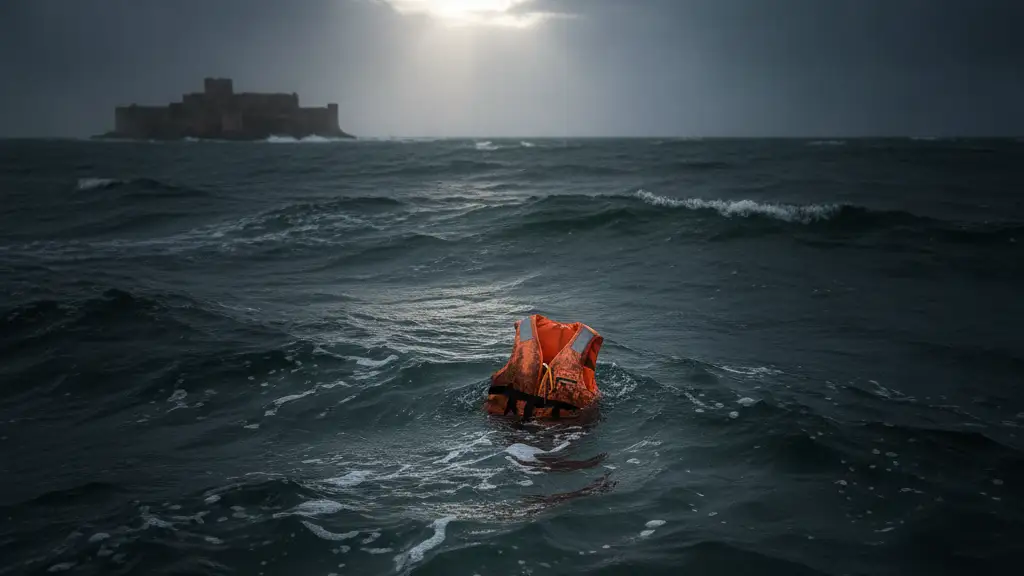
Image: Eddie Pollard / AI

Callum Smith
At least 72 people have died attempting to reach the Spanish enclave of Ceuta.
Ceuta and Melilla, the EU’s only land borders with Africa, stand uniquely outside the Schengen zone.
The vast majority of migrants who reached Ceuta have already returned to Morocco; Spanish officials installed a 500-meter floating barrier at the border.
Pedro Sánchez claims migrant traffickers exploited a Spanish Supreme Court decision from early July, which constrained the government's right to immediately deport people who had arrived by sea.
Far-right politicians across Europe quickly branded the events an “invasion,” intensifying the political rhetoric surrounding the crossings.
Italy temporarily suspended the Schengen arrangement with Spain in response to the Ceuta crossings.
An EU diplomat claims the regularisation of 1.2 million people can paint a picture that the door is open.
Spain has not requested assistance from Frontex, the European Border and Coast Guard Agency, despite the urgency.
The European Commission looked to upgrade the EU’s diplomatic relationship with Morocco to a “strategic and comprehensive partnership” before the Ceuta crossings.
This development comes as the EU opened the door to offshore detention centers in June, indicating a broader shift in migration policy discussions.