Migrant Crisis Escalates at Ceuta Border, Sparking EU Emergency Talks
Spain installs new sea barrier as EU ministers convene over North African border surge and internal divisions.

Carla Rooney
Tens of thousands of migrants have crossed into Ceuta, an EU territory in North Africa.
EU ministers will convene on Tuesday, August 3rd, 2021, after 22 member states signed a joint letter demanding a coordinated response to the Ceuta situation. Ireland will host a meeting of the EU Justice and Home Affairs Council to address the escalating crisis.
Prime Minister Andy Burnham spoke to Spain’s prime minister, Pedro Sanchez, offering assistance. Sanchez, however, described the reaction from some quarters as 'a selfish, polarising and unlawful reaction' and further characterised the situation as 'a violation of Spain’s territorial integrity.'
A selfish, polarising and unlawful reaction.
Spanish interior minister, Fernando Grande-Marlaska, stated the country remains relentless against those who break the law. On Friday night, Moroccan police reportedly used tear gas and water cannon to disperse people near the border.
A handful of migrants swam to Ceuta's urban Tarajal beach on Saturday, August 1st, 2021. Soldiers met them there and escorted them back across the border.
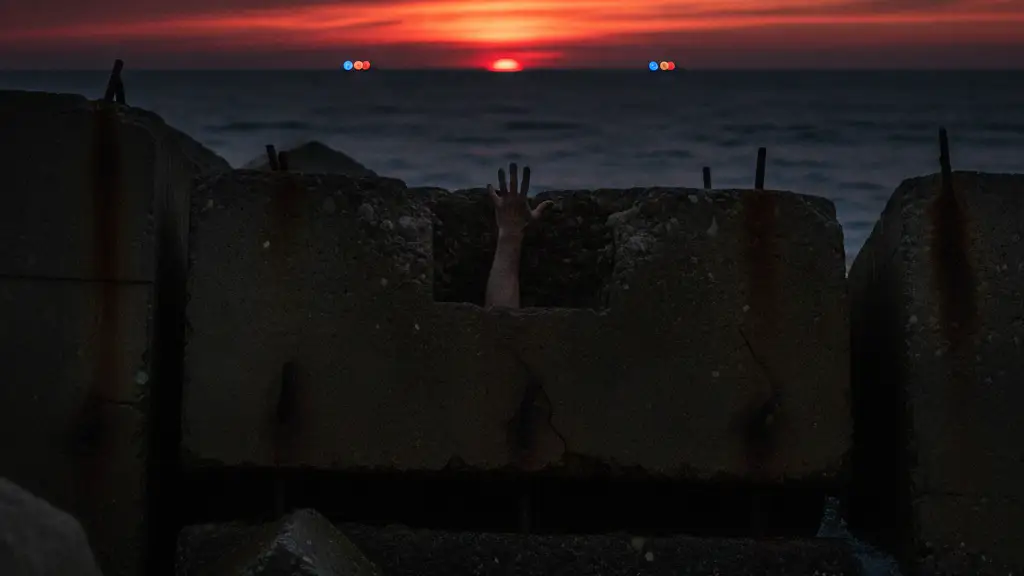
Spain announced the installation of a new barrier stretching along the breakwater fence into the sea. Civil Guard officers reportedly began work on this barrier at the Tarajal breakwater on Saturday.
Migrants cited hunger, exhaustion, and hostility from locals as reasons for their departure. Returnees reported high food prices and shop closures in Ceuta.
Beyond the immediate border, Italy temporarily suspended its open-border Schengen agreement with Spain, reimposing border controls for air and sea. Travellers from Spain to Italy now face random document checks for a few weeks.
France also tightened its border checks with its western neighbour. A Channel crossing on Friday afternoon reportedly cost €600 (£513) per person, at least €200 (£171) less than the week before.
Four people reportedly died trying to reach the UK after what was the busiest day for Channel crossings this year. This strategic shift follows a history of complex migration patterns across the Strait of Gibraltar.
Spain has long served as a primary entry point into Europe for migrants from North Africa. Previous surges tested its border infrastructure and international agreements.
The current crisis amplifies pressure on political stakeholders across the European Union. Public opinion in several member states, including those signing the joint letter, demands stricter border controls.
Economic pressures on frontline nations like Spain continue to mount. Looking ahead, the landscape of European migration policy faces significant shifts.
The coordinated response sought by the 22 EU member states signals a potential re-evaluation of the Schengen agreement. This push aims for more unified, albeit potentially more restrictive, immigration frameworks across the continent.
At least 67 migrants have died during the events, including some who drowned and others killed in a stampede. Local officials reported 86 deaths in the border surge, with the figure expected to rise.
Related Keywords
Ireland